
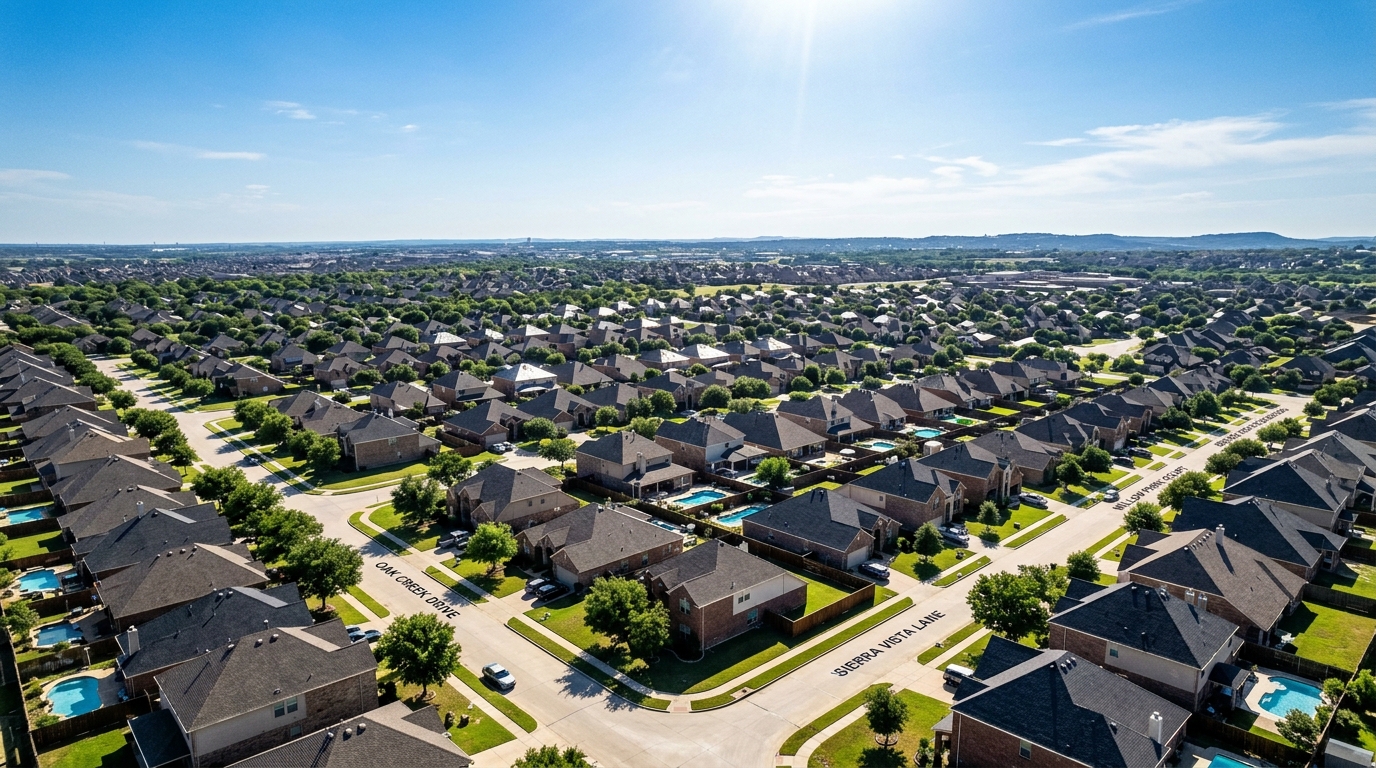
Allen, TX summers are brutal on roofs. Temperatures regularly exceed 100 degrees, UV radiation is intense for months at a time, and attic spaces can reach 150 degrees or higher without proper roofing and ventilation. The material covering your home is not just protection from rain; it is your first line of defense against relentless heat that drives up energy bills and shortens roof lifespan.
Choosing the right roofing material for North Texas conditions makes a measurable difference in cooling costs, comfort, and how often you will need to replace your roof. Some materials absorb heat like a sponge, transferring it directly into your living space. Others reflect solar energy, keeping your home cooler without forcing your air conditioner to work overtime.
This guide compares roofing materials based on the performance characteristics that matter most in Allen: solar reflectance, thermal emittance, durability under UV exposure, and resistance to the hail that regularly strikes Collin County. Understanding these factors helps you select a roof that performs well in Texas heat while standing up to everything else our climate delivers.
What Texas Heat Does to Your Roof
Before comparing materials, it helps to understand why Texas heat is so hard on roofing systems. The damage is not just about high temperatures; it is about the cumulative stress that builds over time.
Every day during summer, your roof goes through a thermal expansion and contraction cycle. Materials heat up and expand during the day, then cool and contract at night. This constant movement stresses fasteners, seals, and the materials themselves. Over years of Texas summers, these cycles cause cracking, warping, and premature failure in materials not designed for extreme temperature swings.
UV radiation compounds the problem. Intense sunlight degrades the oils in asphalt shingles, causing them to become brittle and lose protective granules. Metal coatings can fade and break down. Even concrete and clay experience surface deterioration under prolonged UV exposure. The hotter your roof surface gets, the faster these degradation processes accelerate.
Heat also transfers into your home. A roof that absorbs rather than reflects solar energy can push attic temperatures well above ambient air temperature. That heat radiates down through your ceiling, making your living space uncomfortable and forcing your cooling system to run longer. Proper roof ventilation systems help, but the roofing material itself determines how much heat enters your attic in the first place.
Understanding Cool Roof Technology
The roofing industry measures heat performance using standardized metrics. Understanding these terms helps you evaluate products and compare options effectively.
Solar reflectance measures how much sunlight bounces off a surface rather than being absorbed. It is expressed as a value from 0 to 1, where 1 means all solar energy is reflected. A roof with 0.70 solar reflectance bounces 70 percent of solar energy back into the atmosphere rather than absorbing it. Higher reflectance means a cooler roof surface.
Thermal emittance measures how quickly a surface releases absorbed heat. Materials with high emittance radiate heat back into the atmosphere rather than transferring it into the building. This property matters after the sun goes down, determining how quickly your roof cools overnight.
The Solar Reflectance Index, or SRI, combines both measurements into a single value on a scale from 0 to 100. A standard black surface has an SRI of 0, while a standard white surface has an SRI of 100. Higher SRI values indicate a cooler roof. According to the Department of Energy, cool roofs with high SRI values can reduce roof surface temperature by up to 50 degrees compared to conventional roofing.
Cool roof technology is not limited to white roofs. Modern reflective coatings, specialized granules, and engineered surfaces allow roofing materials in various colors to achieve meaningful heat reduction. Even within the same material type, products designed with cool roof principles significantly outperform standard options. Your attic services and insulation work together with cool roofing to maximize energy efficiency.
Roofing Materials Compared for Allen’s Climate
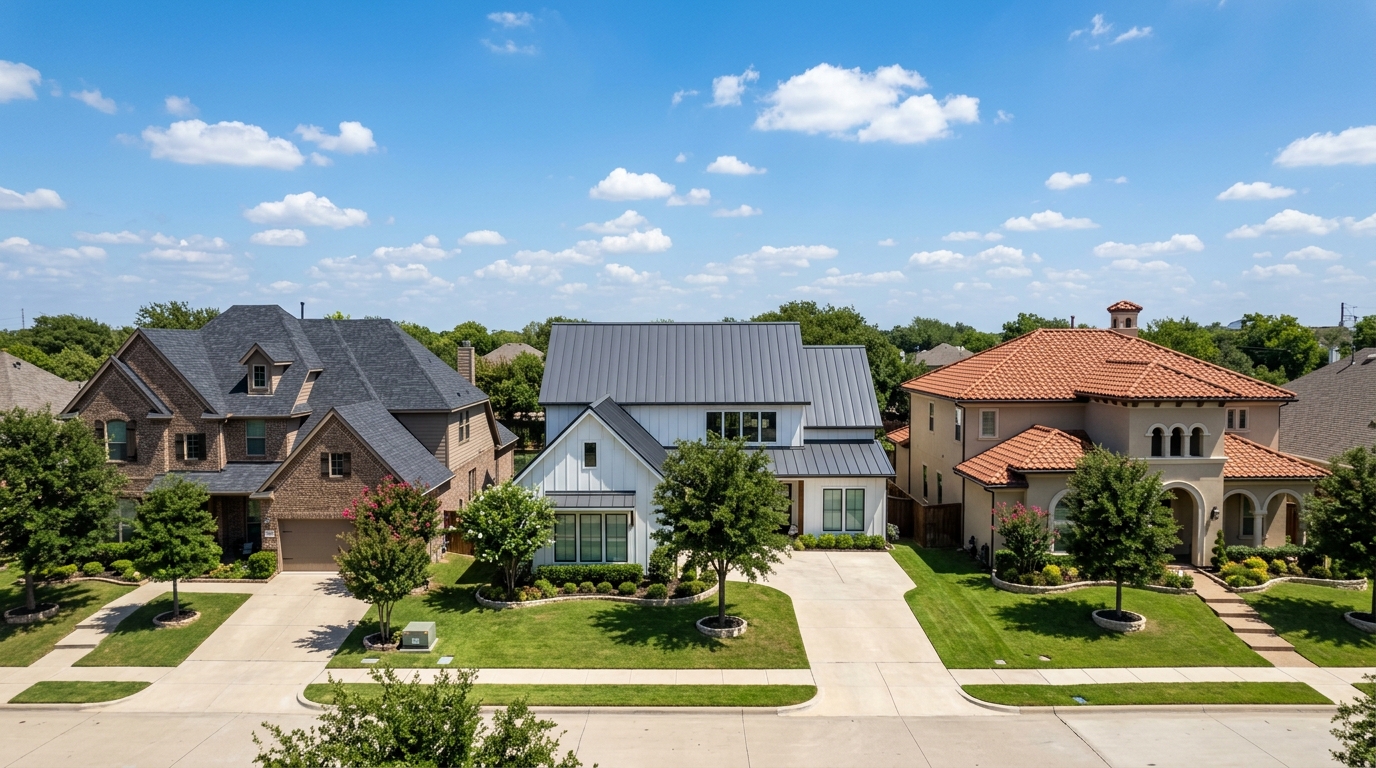
Each roofing material handles Texas heat differently. Here is how the most common options perform in Allen’s climate, along with their strengths and limitations.
Asphalt Shingles
Shingle roofing remains the most common choice in North Texas due to its affordability and availability. Standard asphalt shingles typically last 20 to 30 years, though Texas heat can shorten that lifespan compared to milder climates. Traditional dark shingles absorb significant solar energy and can reach surface temperatures of 150 to 170 degrees on hot summer days.
Cool roof asphalt shingles represent a significant improvement. These products use specially formulated granules that reflect more solar radiation while maintaining traditional aesthetics. Cool shingles can reduce roof surface temperature by 20 to 40 degrees compared to standard shingles of the same color. Major manufacturers like Owens Corning and GAF offer cool roof shingle lines that meet energy code requirements in many jurisdictions.
For Allen homeowners, Class 4 impact-resistant shingles deserve serious consideration. These products are engineered to survive the UL 2218 test, meaning they withstand a two-inch steel ball dropped from 20 feet without cracking. Class 4 shingles protect against hail damage while many also incorporate cool roof technology. Texas law requires insurance companies to offer premium discounts for impact-resistant roofing, and those savings often offset the higher material cost within a few years.
Metal Roofing
Metal roofing is increasingly popular in Texas because of its exceptional heat performance and longevity. According to the Metal Roofing Alliance, metal roofs reflect 65 to 85 percent of solar radiation, far exceeding what standard asphalt achieves. Research shows that unpainted metal roofing is typically 20 or more degrees cooler than dark asphalt shingles under the same conditions.
The Department of Energy notes that metal roofs can reduce peak cooling demand by 10 to 15 percent. Over a Texas summer, that translates to meaningful savings on electricity bills. Metal also excels at releasing absorbed heat quickly due to its high thermal emittance, meaning your roof cools down rapidly once the sun sets.
Beyond heat performance, metal roofs last 40 to 70 years with minimal maintenance. They resist hail impacts that would damage shingles, withstand high winds that would tear away lighter materials, and do not degrade under UV exposure the way organic materials do. Standing seam metal systems with concealed fasteners offer superior wind uplift resistance and clean aesthetics. For maximum heat reflection, choose light-colored metal or products with cool roof coatings.
Clay and Concrete Tile
Tile roofing has been used in hot climates for centuries with good reason. Both clay and concrete tiles have high thermal mass, meaning they absorb heat slowly throughout the day and release it gradually after the sun goes down. This thermal buffering effect reduces the temperature swings your home experiences and delays peak heat transfer into late afternoon when outdoor temperatures begin dropping.
The barrel shape of traditional tile creates natural air circulation underneath the surface. This ventilation layer adds insulation value and helps prevent heat from reaching the roof deck. When comparing clay vs concrete tiles, clay offers superior longevity at 50 to 100 years, while concrete provides similar heat performance at a lower price point with a 40 to 75 year lifespan.
The primary consideration with tile is weight. Tile roofs are substantially heavier than shingle or metal, and your home’s structure must be verified to support the load. Older homes built for lighter roofing materials may require reinforcement before tile installation. Tile also requires specialized installation expertise, which can affect availability and pricing. For homeowners seeking the Spanish or Mediterranean aesthetic, tile delivers unmatched authenticity along with excellent heat performance.
Slate Roofing
Slate roofing sits at the premium end of the market in both cost and performance. Natural slate has exceptional thermal mass that resists heat absorption and releases absorbed energy efficiently. Lighter colored slate offers good solar reflectance in addition to these thermal properties.
The longevity of slate is unmatched. Natural slate roofs can last 75 to 150 years or more, making them a multi-generational investment. Synthetic slate products offer similar appearance at lower cost and reduced weight, typically lasting 40 to 60 years. Both options deliver distinctive aesthetics that enhance curb appeal and home value while performing well in Texas heat.
Flat Roofing Systems
Flat roofing systems using TPO or PVC membranes offer exceptional heat performance for modern architectural homes and commercial-style residences. White membrane roofs reflect 80 to 85 percent of solar radiation, among the highest reflectance of any roofing material. This can reduce cooling energy use by 20 to 30 percent in hot climates like North Texas.
Flat roofs require proper drainage design to handle Texas thunderstorms. Without adequate slope and functioning drains, water can pool and accelerate membrane degradation. Thicker membranes, typically 60 or 80 mil, provide better puncture resistance and longevity. TPO systems generally last 20 to 30 years, while PVC can reach 25 to 35 years with proper maintenance.
Color Matters More Than You Think
Regardless of material, color significantly affects heat performance. Light-colored roofs consistently outperform dark roofs in reducing heat absorption and cooling costs.
The difference is measurable. A white or light gray metal roof can achieve an SRI of 80 or higher, while the same metal in dark bronze might only reach an SRI around 30. That difference translates directly to roof surface temperature, attic temperature, and ultimately your cooling bills.
If your homeowners association restricts roof colors, you still have options. Choose the lightest allowable shade within your approved palette. Consider metal roofing even in darker colors, as metal’s high thermal emittance still outperforms dark shingles. Invest in better attic insulation and ventilation to compensate for reduced reflectance. Some HOAs will grant exceptions for documented energy efficiency benefits, so it may be worth submitting a request with supporting information about cool roof technology.
Beyond Materials: Ventilation and Underlayment
Even the best roofing material cannot compensate for poor ventilation. Trapped hot air in your attic radiates heat down through your ceiling regardless of what covers the roof deck above. Proper attic ventilation allows hot air to escape and cooler air to enter, reducing temperatures throughout the roof assembly.
A balanced ventilation system includes intake vents at the soffits and exhaust vents at or near the ridge. This creates natural airflow that continuously moves hot air out of the attic space. Ridge vents, power ventilators, and turbine vents all serve as exhaust options depending on your roof design and aesthetic preferences.
Underlayment also contributes to thermal performance. Synthetic underlayments provide better moisture protection than traditional felt and can add a minor thermal barrier between the roof deck and finished surface. Choosing the best underlayments for roofing ensures your roof system works together effectively to manage heat and moisture.
Balancing Heat Performance with Hail Resistance
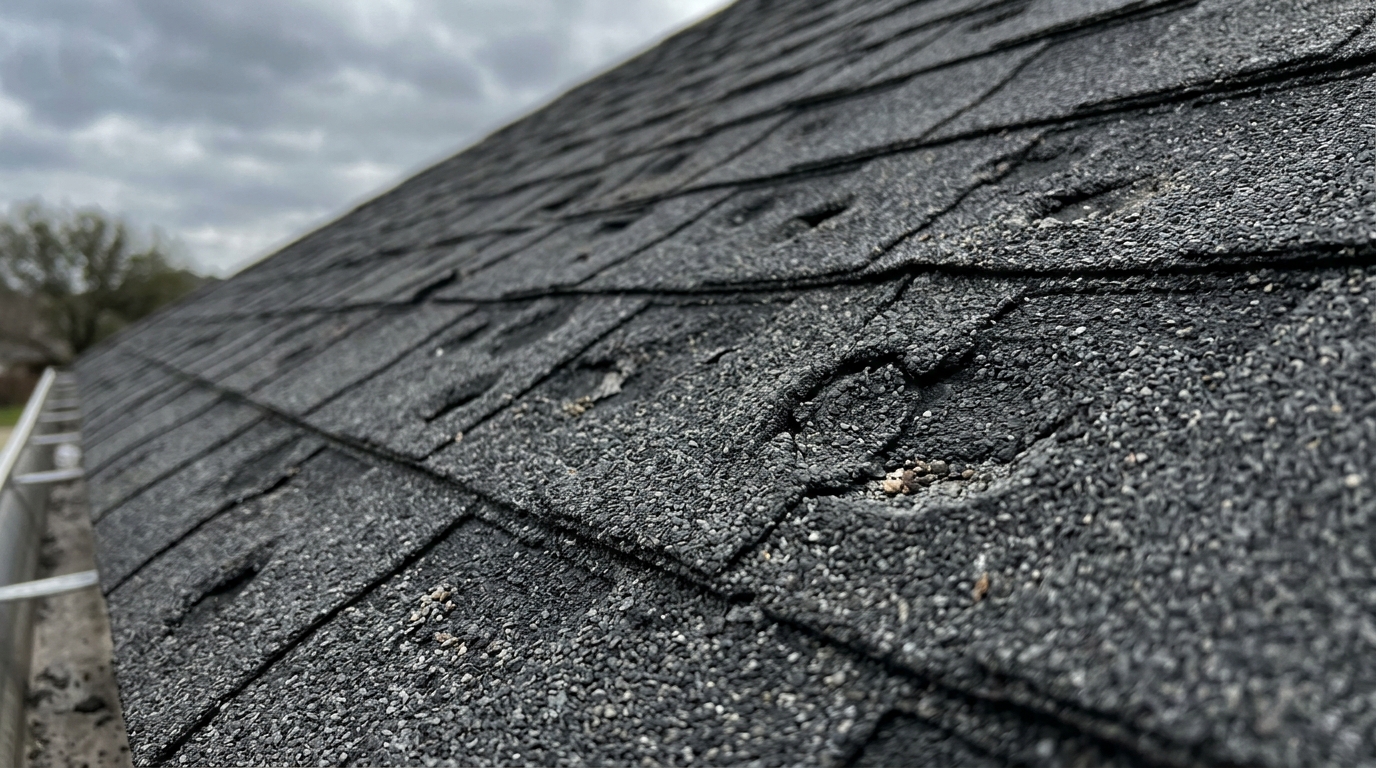
Allen homeowners face a dual challenge: extreme heat and significant hail risk. Collin County regularly experiences severe hail events that damage or destroy roofing systems. Selecting materials solely for heat performance without considering impact resistance can lead to expensive repairs or premature roof replacement.
Fortunately, several materials excel at both. Metal roofing naturally resists hail impacts while offering excellent solar reflectance. Class 4 impact-resistant shingles combine hail protection with available cool roof technology. Tile and slate are dense enough to withstand most hail without damage. These dual-purpose materials make sense for North Texas, where both heat and hail are annual certainties.
Texas law requires insurance companies to offer premium discounts for Class 4 impact-resistant roofing. These discounts typically range from 20 to 35 percent on the dwelling coverage portion of your homeowner’s policy. Combined with reduced claims from hail damage and extended roof lifespan, impact-resistant materials often provide positive return on investment within five to seven years.
Which Material Offers the Best Value in Allen
The best roofing material for your home depends on budget, aesthetic preferences, and how long you plan to stay. Here is how the options compare for overall value in Allen’s climate.
Class 4 architectural shingles with cool roof technology offer the best balance of upfront cost, heat performance, and hail resistance for most homeowners. The price premium over standard shingles is modest, while the insurance savings and reduced cooling costs provide ongoing returns. This is the right choice for homeowners seeking reliable performance without premium pricing.
Metal roofing provides the best long-term return for homeowners planning to stay 15 years or more. Higher upfront costs are offset by 40 to 70 year lifespan, minimal maintenance, superior heat performance, and insurance discounts. When you factor in avoiding one or two replacement cycles compared to shingles, metal often costs less over the long term.
Tile and slate represent premium choices for high-end homes where aesthetics and maximum lifespan justify the investment. These materials can outlast the homeowner, making them appropriate when building a legacy property or when the distinctive appearance provides proportional value. Work with a GAF Master Elite certified contractor who can assess your structure for tile or slate suitability and ensure proper roof installation.
Get Expert Advice on Roofing Materials Today!
Choosing the right roofing material for Allen’s heat and hail takes more than comparing price tags. Let our team evaluate your home, discuss your priorities, and recommend materials that balance performance, aesthetics, and value. Call (469) 247-8310 or visit our contact page to schedule a free consultation and learn which roofing options make the most sense for your situation.
Frequently Asked Questions
What is the best roofing material for Texas heat?
Metal roofing offers the best heat performance for most Texas homes, reflecting 65 to 85 percent of solar radiation and reducing peak cooling demand by 10 to 15 percent. White TPO or PVC membranes perform even better on flat roofs. For sloped roofs where metal is not preferred, Class 4 cool roof shingles provide good heat reduction at lower cost.
Do cool roof shingles really lower energy bills?
Yes. Cool roof shingles can reduce roof surface temperature by 20 to 40 degrees compared to standard shingles of the same color. This translates to lower attic temperatures and reduced cooling load. The Department of Energy reports cool roofs can reduce overall cooling costs by 10 to 20 percent depending on climate, insulation, and other factors.
Is a metal roof too hot in Texas?
No. Despite the perception that metal gets hot, metal roofing actually keeps homes cooler than most alternatives. Metal reflects solar energy rather than absorbing it, and its high thermal emittance allows it to release absorbed heat quickly. Unpainted metal is typically 20 or more degrees cooler than dark asphalt shingles under the same conditions.
What color roof is best for hot climates?
Light colors perform best in hot climates. White, light gray, tan, and light earth tones reflect significantly more solar energy than dark colors. However, modern cool roof products use specialized pigments and coatings that allow medium and even some darker colors to achieve meaningful heat reduction compared to traditional products.
How much can a cool roof reduce cooling costs?
Cooling cost reduction varies based on climate, building insulation, roof size relative to floor area, and other factors. In hot climates like North Texas, cool roofs typically reduce annual cooling costs by 10 to 30 percent. Metal roofs and white membrane systems at the high end of that range, cool shingles at the lower end.
Do I need a permit to change roofing materials in Allen?
Yes. Allen requires permits for roof replacement regardless of whether you are changing materials. If you are switching from shingles to tile or other heavy materials, additional structural review may be required to verify your home can support the added weight. A reputable roofing contractor in Allen handles the permit process and ensures your installation meets all applicable codes.
About Pickle Roofing Solutions
Pickle Roofing Solutions is a GAF Master Elite certified roofing contractor serving Allen, Plano, Frisco, McKinney, and communities throughout the Dallas-Fort Worth metroplex. We help homeowners evaluate roofing materials based on performance, budget, and long-term value. Our team provides free inspections and detailed estimates so you can make informed decisions about the best roofing solution for your home and climate.