

When a roofing crew tears off your old shingles and rolls out material across the bare decking before anything else goes down, that material is roof underlayment. Most Allen homeowners never think much about it. It disappears under the shingles, it is invisible from the street, and it rarely comes up in conversations about roofing unless something goes wrong. But underlayment is the component standing between a failed or displaced shingle and water reaching your roof deck, attic, and ceiling.
In North Texas, where hail punches holes through shingles, wind lifts tabs during severe storms, and summer heat puts every roofing layer under sustained stress, what sits beneath your shingles matters more than most homeowners realize. Here is what it is, how each type performs, and what to ask your contractor about before your next roof replacement.
What Roof Underlayment Actually Does
Roof underlayment is a water-resistant or waterproof membrane installed directly over the roof decking before shingles, metal panels, tile, or any other outer roofing material goes down. It covers the entire roof field and serves two distinct purposes across the life of your roof.
The first is temporary protection during installation. Once old shingles are removed and before new ones are in place, the roof deck is fully exposed. On a project that spans more than one day, or one interrupted by weather, underlayment is what keeps rain off the bare wood. A crew that does not install underlayment promptly after tear off is leaving your home’s structure exposed.
The second is long-term secondary protection once shingles are installed. Shingles are your roof’s primary defense, but they are not sealed at every point. Wind-driven rain can force water horizontally under shingle tabs. Hail impact can crack or fracture a shingle without visibly displacing it. A shingle tab can lift slightly after years of thermal cycling. In every one of these scenarios, the underlayment is what prevents water from reaching the decking beneath. Without it, every imperfection in the outer shingle layer becomes a potential entry point for moisture.
The Three Types of Roof Underlayment
Not all underlayment is the same product. Three distinct types are used in residential roofing, each with different material composition, performance characteristics, and appropriate applications.
Asphalt-Saturated Felt (Felt Paper / Tar Paper)
Felt underlayment is the oldest roofing underlayment material and has been standard practice for over a century. It is made from a base of cellulose, fiberglass, or polyester fibers saturated with asphalt to create water resistance. It comes in two weights: 15-pound and 30-pound, with heavier felt offering greater durability and tear resistance.
Felt is the most affordable underlayment option and is still widely available and used, particularly on projects where budget is the primary consideration. Its limitations become relevant in climates like Allen’s:
- It absorbs moisture when exposed before shingles are installed, which can cause it to wrinkle and buckle, creating an uneven surface under the shingles above
- It tears more readily underfoot during installation and under sustained heat
- It degrades faster under prolonged UV exposure if the project is delayed
- Its lifespan of 10 to 15 years means it may deteriorate before the shingles above it reach end of life on a premium shingle system
For a shingle roofing project using 30-year architectural shingles in Allen, felt is the underlayment most likely to fail before the material it is protecting. That is the core argument against it in this market.
Synthetic Underlayment
Synthetic underlayment is manufactured from polypropylene or polyester polymer sheets, often reinforced with fiberglass for additional tear resistance. It is the dominant underlayment choice in current North Texas residential roofing for good reason.
The performance advantages over felt are meaningful and consistent:
- Significantly lighter weight makes handling and installation faster and safer on steep pitches
- Superior tear resistance holds up under foot traffic during installation and does not rip from staples or nails
- UV resistance allows exposure for up to two to four months without significant degradation, protecting the project if shingle installation is delayed
- Better moisture resistance with lower water absorption than felt
- Longer service life, often 25 to 50 years, which aligns with the lifespan of premium shingle products
The cost difference between felt and synthetic is real but modest in the context of a full roof replacement. The additional spend is typically $200 to $400 for an average Allen home, an amount that rarely changes the total project calculation meaningfully. Most quality roofing contractors in the DFW market now specify synthetic as the standard choice.
Some shingle manufacturers, including GAF, require synthetic underlayment as a condition of their enhanced warranty tiers. If you are investing in a Golden Pledge or Silver Pledge warranty, verify that synthetic underlayment is in the project scope before signing.
Ice and Water Shield
Ice and water shield is a self-adhesive, rubberized asphalt membrane that serves a different role than standard underlayment. Where felt and synthetic are water-resistant, ice and water shield is fully waterproof. It bonds directly to the roof decking without mechanical fasteners and, critically, self-seals around roofing nails after they are driven through it.
That self-sealing property is what makes it the appropriate material for the highest-risk zones on any roof. It is not typically installed across the entire roof field because its cost is higher and because fully covering a roof in a non-breathing membrane can create moisture trapping issues in the attic without proper ventilation. Instead, it is applied strategically in the locations where water is most likely to concentrate, slow down, or back up:
- Eaves and roof edges: Water running off the roof can back up here, particularly in the rare ice damming events that Allen sees during hard freezes
- Valleys: Where two roof planes meet, water volume concentrates and moves more slowly
- Around penetrations: Chimneys, skylights, vent pipes, and HVAC equipment are all vulnerable transition points
- Low-slope sections: Any area where the roof pitch slows water movement enough to allow pooling
In North Texas, ice and water shielding at the eaves and valleys is standard practice on quality installations. Even though Allen does not experience prolonged winter freezes like northern markets, hard freeze events do occur, and wind-driven rain during summer storms creates the same back-up conditions that ice damming produces in colder climates.
How the Three Types Work Together
A quality roof installation in Allen does not choose one underlayment type. It uses all three in the right zones.
The sequence works like this: ice and water shield goes down first in the vulnerable zones described above, bonded directly to the clean decking surface. Synthetic underlayment then covers the remainder of the roof field over and overlapping the ice and water shield. Shingles or other outer roofing material fasten through both layers into the decking beneath.
This layered approach gives the roof a complete defense at every point. The outer shingles handle most weather under normal conditions. Synthetic underlayment across the field catches anything that gets past the shingles in the open roof areas. Ice and water shield provides a fully watertight seal at the exact locations where failure is most likely. Each layer does a distinct job that the others cannot fully replicate.
| Underlayment Type | Coverage Area | Water Resistance | Self-Sealing | Avg. Cost per Square | Lifespan |
|---|---|---|---|---|---|
| Asphalt Felt (15 lb) | Full roof field | Water-resistant | No | $8–$12 | 10–15 years |
| Asphalt Felt (30 lb) | Full roof field | Water-resistant | No | $12–$18 | 15–20 years |
| Synthetic | Full roof field | Water-resistant | No | $15–$25 | 25–50 years |
| Ice and Water Shield | Eaves, valleys, penetrations | Waterproof | Yes | $40–$65 | 30–50 years |
North Texas weather creates specific underlayment demands that are worth stating directly.
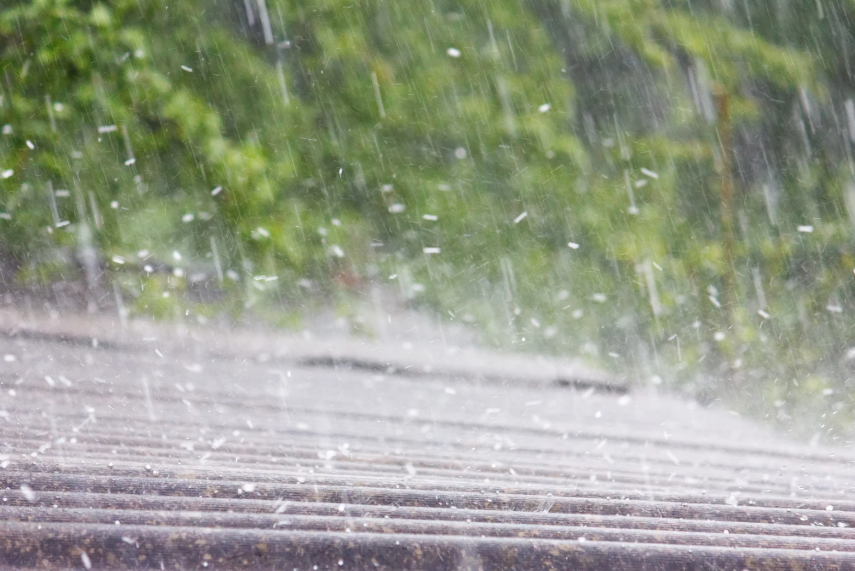
Hail. Allen and Collin County sit within one of the most active hail corridors in the United States. A hail strike that cracks a shingle or forces a tab to lift creates an immediate pathway for wind-driven rain. When that happens, the underlayment beneath becomes the only barrier between the storm and your roof deck. A synthetic underlayment with intact waterproofing buys time between the storm and the roof inspection that identifies the damage. A deteriorated felt underlayment may not.
Wind-driven rain. North Texas thunderstorms frequently produce sustained winds that drive rain horizontally under shingle tabs. Even shingles that are not damaged or displaced can allow wind-driven rain through at speeds high enough to force water past the adhesive seal line. Underlayment is the system designed to handle exactly this scenario.
Heat and UV. If a roof replacement in Allen takes more than a day, which is common for larger or more complex homes, the underlayment sits exposed to direct Texas sun between tear off and shingle installation. Felt degrades quickly under this exposure. Synthetic holds up for months. In peak summer heat, the difference between the two materials during this window is significant.
Freeze events. Allen does experience occasional hard freezes where temperatures drop into the teens and 20s. During these events, any moisture that has worked under shingles at the eaves can freeze and create the same back-up dynamic as a northern ice dam. Ice and water shield at the eave line prevents this from reaching the decking regardless of how brief the freeze event is.
Questions to Ask Your Contractor About Underlayment
Underlayment specifications rarely appear in roofing proposals at the level of detail homeowners need to evaluate them. Before approving a roof replacement contract in Allen, ask these directly:
What type of underlayment are you specifying, felt or synthetic? If the answer is felt on a premium shingle installation, ask why. The cost difference rarely justifies the performance downgrade.
Are you including ice and water shield, and where will it be installed? It should cover at minimum the eave line and all valleys. Penetrations around chimneys, skylights, and vents should also receive it.
Does the shingle manufacturer require synthetic underlayment for their warranty to be valid? If you are purchasing enhanced warranty coverage, this is non-negotiable.
What is the underlayment’s manufacturer, and what warranty does it carry? Generic underlayment from unknown manufacturers is a quality flag. Products from established manufacturers with documented specifications and warranties provide assurance that the material matches what was specified.
A roofing contractor in Allen, TX who answers these questions specifically and without hesitation is one whose work you can evaluate. Vague answers about “industry standard” materials without named products or specifications should prompt follow-up.
What Happens When Underlayment Fails
Underlayment failure is not a sudden, visible event. It is a slow process that most homeowners do not notice until water has already reached the interior. Common indicators that underlayment may have degraded include:
- Recurring leaks in the same location despite repeated roof repairs to the shingles above
- Water stains on attic decking or framing that do not trace directly to a missing or cracked shingle
- Soft or discolored spots on interior ceilings in areas away from obvious penetrations like chimneys or vents
- Evidence during a roof inspection of deteriorated or wrinkled felt visible through gaps in older shingles
If your home has an older roof installed with felt underlayment that has reached or exceeded 15 years, the underlayment may be at or near the end of its service life even if the shingles above appear adequate. A thorough roof inspection that includes an attic assessment is the most reliable way to evaluate the condition of both layers before committing to shingle-only repairs versus full replacement.
Schedule a Roof Assessment in Allen, TX Now
Whether you are planning a replacement or want to understand the condition of your current roof system, Pickle Roofing Solutions provides thorough inspections that evaluate every layer, not just the surface. Call (469) 247-8310 or visit our contact page to schedule your assessment in Allen, TX.
Frequently Asked Questions
Is roof underlayment required by building code in Texas?
Yes. Texas building codes require underlayment as a standard roofing component. The specific type and application requirements depend on roof pitch, roofing material, and local amendments to the International Residential Code. A licensed contractor will specify underlayment that meets or exceeds the applicable code requirements for your home.
Does underlayment replace the need for roof decking?
No. Underlayment installs over the decking, not instead of it. Sound decking is a prerequisite for any underlayment system to function correctly. If your decking has soft spots, delamination, or rot, those problems must be addressed before underlayment is installed.
Can the underlayment get wet before shingles are installed?
Felt underlayment absorbs moisture readily and should be covered by shingles as quickly as possible after installation. Synthetic underlayment handles moisture exposure significantly better and can remain exposed for several months without material degradation. Either way, a project should not leave underlayment exposed through prolonged weather events unnecessarily.
Does synthetic underlayment replace ice and water shields?
No. Synthetic underlayment is water-resistant, not waterproof, and it does not self-seal around fasteners. Ice and water shield is the appropriate product for high-risk zones regardless of what synthetic underlayment is used on the rest of the roof. The two products serve complementary roles and are both part of a complete system.
How much does underlayment add to a roof replacement cost?
Underlayment typically represents a small portion of total roof replacement cost. Felt runs $8 to $18 per square depending on weight. Synthetic runs $15 to $25 per square. Ice and water shield runs $40 to $65 per square for the vulnerable zones where it is applied. The step up from felt to synthetic for an average Allen home adds roughly $200 to $400 to the total project, which is a marginal difference in the context of a $10,000 to $18,000 shingle replacement.
How long does roof underlayment last?
Felt underlayment lasts approximately 10 to 20 years depending on weight and installation conditions. Synthetic underlayment carries warranties of 25 to 50 years, often outlasting the shingles installed over it. Ice and water shield typically carries a 30 to 50-year warranty. In practice, underlayment is replaced whenever a full roof replacement occurs, so its standalone lifespan matters most when evaluating whether a roof replacement is warranted before the shingles themselves have reached end of life.
Does the type of underlayment affect my roofing warranty?
Yes, in some cases. GAF’s enhanced warranty tiers, including Silver Pledge and Golden Pledge, require synthetic underlayment as part of the qualifying system installation. Installing felt underlayment when a premium warranty was purchased may limit or void the warranty terms. Always verify underlayment specifications against the warranty documentation before installation begins.
About Pickle Roofing Solutions
Pickle Roofing Solutions is a GAF Master Elite certified roofing company serving Allen, TX and the greater Dallas-Fort Worth area. Every roof replacement they complete specifies underlayment to the standard that North Texas weather demands, including synthetic underlayment across the full roof field and ice and water shield at eaves, valleys, and all penetration points. If you are evaluating a roofing proposal and want a second opinion on what is being specified beneath the shingles, their team can walk you through what your home actually needs.