

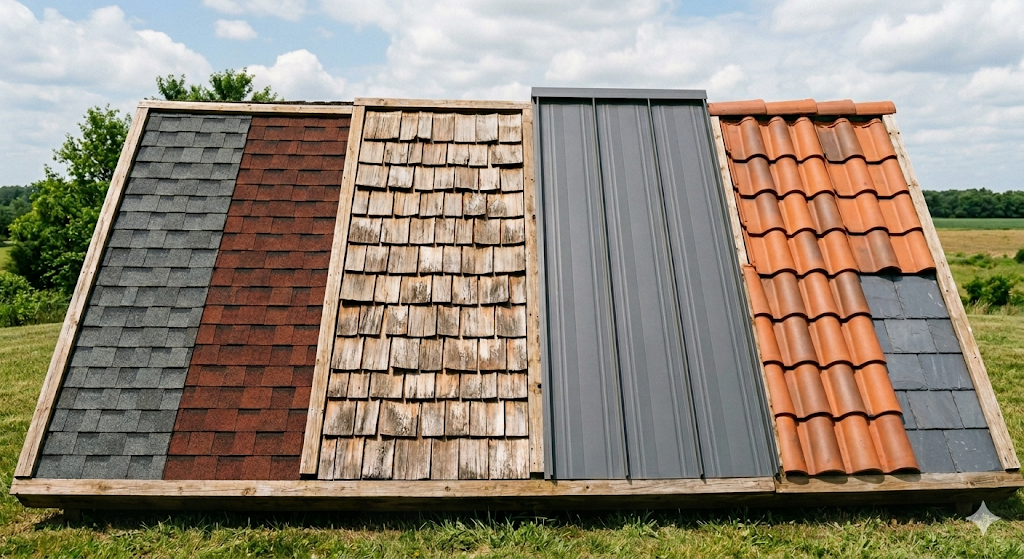
Collin County throws a lot at a roof. Summers push past 105 degrees for weeks at a time. Spring hailstorms roll through Allen, McKinney, and Frisco with little warning. And the freeze-thaw cycles that hit North Texas every few winters create expansion and contraction stress that weaker materials simply cannot handle long-term. Choosing the wrong roofing material is not just an aesthetic miscalculation, it is a financial one.
What follows breaks down the four materials most commonly installed on Collin County homes, compares their performance in the Texas climate, and helps you make a decision based on your budget, your home’s structure, and what you actually need from a roof.
Why Roofing Material Selection Matters More in Collin County
North Texas sits in what is sometimes called “Hail Alley,” a band of the country that sees some of the highest frequency of large-hail events in the United States. Collin County properties absorb that damage year after year. Beyond hail, the sustained heat load in DFW suburbs accelerates material degradation in ways that more forgiving climates simply do not produce.
Insurance premiums in the area increasingly reflect roofing material choices. Impact-resistant shingles and metal roofing can qualify homeowners for substantial discounts depending on their carrier, making the upfront cost difference between materials a more nuanced calculation than it first appears. HOA restrictions in newer Collin County developments may also limit your options, so it is worth confirming what is allowed before selecting a material.
Asphalt Shingles: The Most Installed Roof in North Texas
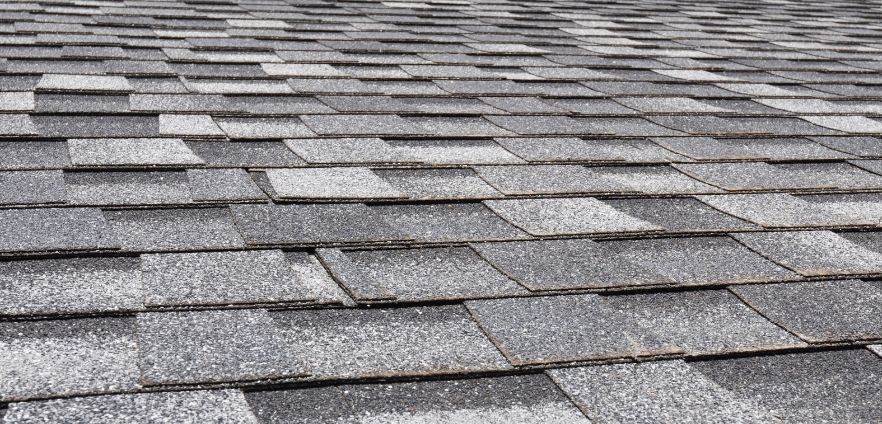
Asphalt shingle roofing accounts for the majority of residential roofs across Collin County, and for good reason. Shingles cost significantly less than metal or tile, they install quickly, and the variety of styles and colors available has expanded substantially over the past decade.
For Texas conditions, the key specification to look for is the Class 4 impact-resistant rating, the highest designation under UL 2218 testing. Class 4 shingles absorb a simulated 2-inch steel ball dropped from 20 feet without cracking. On a practical level, this translates to better survival odds during quarter-size or larger hail events, which are not uncommon in spring across Collin County.
The honest limitation of asphalt shingles is lifespan. Standard 3-tab products last 15 to 20 years under Texas conditions. Architectural shingles perform better, typically 25 to 30 years with proper attic ventilation and routine maintenance. In a climate that accelerates UV degradation, you may be replacing an asphalt roof sooner than the warranty period suggests, particularly if attic temperatures are not managed properly.
Metal Roofing: Built for Texas Heat and Hail
Metal roofing has gained significant traction in the DFW suburbs over the past decade, and its performance profile explains why. A properly installed standing seam or metal shingle system qualifies for Class 4 impact resistance and reflects a far greater percentage of solar radiation than asphalt. That reflectivity can reduce attic temperatures enough to meaningfully lower cooling loads in summer.
Lifespan is metal’s clearest advantage. A quality steel or aluminum system lasts 40 to 70 years under normal conditions. In Collin County, that typically means one metal roof for the life of the home, compared to two or three asphalt replacements over the same period. When you calculate total cost of ownership rather than upfront cost, the gap narrows considerably.
Metal is not without tradeoffs. Expansion and contraction in Texas temperature swings require fastener and panel systems specifically engineered for thermal movement. Improper installation leads to fastener pull-through and panel noise. Working with a contractor experienced in metal roofing for the Texas climate is not optional, it is essential to long-term performance.
Tile Roofing: Clay and Concrete Options for Collin County Homes
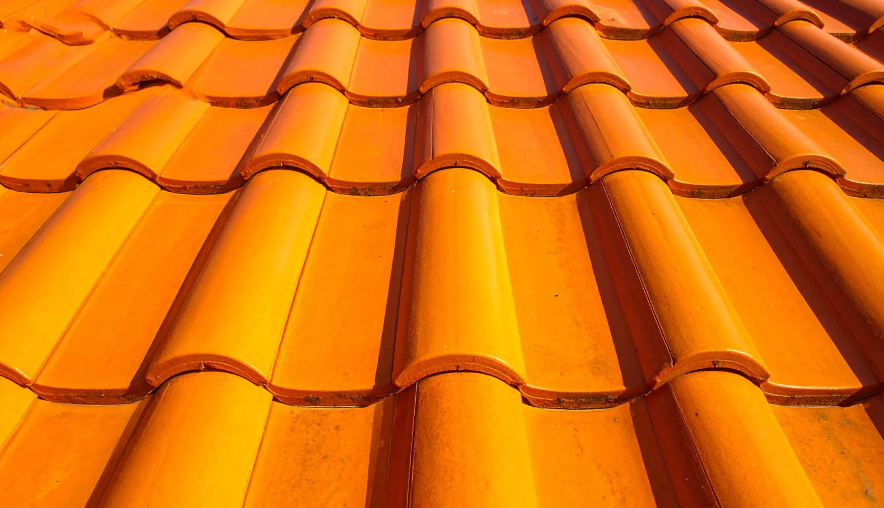
Tile roofing and clay barrel roofing carry the highest aesthetic appeal of any roofing category, and their thermal mass gives them a natural advantage in the Texas heat. Clay tile in particular absorbs heat slowly and releases it gradually, which moderates the temperature spike inside an attic during peak afternoon heat.
Both clay and concrete tile reach Class 4 impact ratings and carry lifespans that routinely exceed 50 years. Clay tile, properly maintained, can outlast the structure it sits on. That durability comes with a structural cost: tile is heavy. Older Collin County homes may require roof deck reinforcement before tile can be installed, which adds to the project cost and complexity.
Concrete tile offers a lower entry price than clay while delivering similar performance. The visual difference is subtle in most profiles, making concrete an attractive middle path for homeowners who want the tile look without the premium price of clay.
Slate Roofing: Premium Performance With a Higher Price Tag
Slate roofing occupies the highest tier of residential roofing in both performance and cost. Natural slate carries lifespans that routinely reach 75 to 100 years or more. It is fire-resistant, impact-resistant, and requires minimal maintenance compared to other materials when installed correctly.
The weight requirement is more significant than tile. Slate systems require substantial structural support, and most residential builds in Collin County are not framed to carry that load without engineering work. Synthetic slate products have emerged as a practical alternative, offering similar aesthetics and strong impact ratings at a fraction of the weight and cost, though lifespan and authentic character do not match the natural material.
Slate makes the most sense for high-value Collin County homes where the roof is a core element of the property’s character and the structural work to support it is feasible.
Side-by-Side Comparison: Roofing Materials for Collin County
Use this table to compare the four primary materials across the factors that matter most in North Texas:
| Material | Cost/Sq Ft | Lifespan | Hail Rating | Heat Performance | Weight | Best For |
|---|---|---|---|---|---|---|
| Asphalt Shingles | $1.50-$5 | 20-30 yrs | Class 3-4 (IR) | Moderate | Light | Budget-conscious installs |
| Metal Roofing | $5-$14 | 40-70 yrs | Class 4 | Excellent | Light-Med | Energy savings, longevity |
| Clay/Concrete Tile | $10-$20 | 50+ yrs | Class 4 | Very Good | Heavy | Premium curb appeal |
| Slate | $15-$30 | 75-100+ yrs | Class 4 | Excellent | Very Heavy | Highest-end builds |
IR = Impact-Resistant rated. Class 4 is the highest designation under UL 2218 testing. Cost ranges reflect installed prices and vary by project scope, material grade, and market conditions.
What to Consider Before Making Your Final Decision
Before committing to a material, there are a few Collin County-specific factors worth confirming. First, check your HOA’s approved material list. Many newer master-planned communities in the area restrict roofing choices to maintain neighborhood aesthetics, and violations can result in required replacement at your expense.
Second, contact your homeowner’s insurance carrier before finalizing a material. Impact-resistant ratings of Class 3 or Class 4 can unlock meaningful premium discounts in North Texas, sometimes enough to meaningfully offset the difference between asphalt and metal. Third, have a qualified contractor assess your roof deck and attic framing if you are considering tile or slate. Weight upgrades that require structural reinforcement add time and cost that need to be in your budget before the project begins.
A roof replacement is one of the largest single investments a homeowner makes. Getting the material decision right the first time is far less expensive than correcting a mismatch five years later.
Get a Roofing Estimate for Your Collin County Home
The right material for your home depends on your budget, your structure, your HOA, and what you need the roof to do over the next several decades. Pickle Roofing Solutions installs every major roofing material used in Collin County and can walk you through the performance and cost tradeoffs for your specific situation.
Call (469) 247-8310 or get an instant quote online to schedule your consultation.
Frequently Asked Questions
Which roofing material holds up best to hail in Collin County?
Metal roofing, Class 4 impact-resistant asphalt shingles, and tile all carry the highest impact resistance rating under UL 2218 testing. Metal and tile tend to show the least cosmetic and structural damage after severe hail events. If hail resistance is your primary concern, metal roofing offers the strongest combination of impact performance and longevity.
How much does a new roof cost in Collin County, TX?
Installed costs vary significantly by material. Asphalt shingle replacements typically run between $8,000 and $18,000 for an average home. Metal systems range from $18,000 to $40,000 or more depending on the profile and material. Tile and slate projects are generally quoted on a per-project basis given the structural variables involved. Getting a detailed estimate based on your specific roof geometry and material choice is the only reliable way to budget.
Can I install metal roofing over my existing shingles?
In some cases yes, but it depends on local code, the condition of your existing deck, and the number of existing shingle layers. A qualified contractor should inspect the deck before recommending an overlay versus a full tear-off. In Collin County’s heat and humidity environment, installing over a compromised deck can trap moisture and accelerate rot.
Does roofing material affect my homeowner’s insurance premium?
Yes, significantly in North Texas. Many insurance carriers operating in the DFW area offer discounts of 15 to 30 percent for homes with Class 4 impact-resistant roofing. Metal roofing and qualifying asphalt shingles both typically meet this threshold. Contact your carrier directly to confirm which products on your quote qualify.
How long does a tile roof last in the Texas climate?
Concrete tile typically lasts 40 to 50 years under North Texas conditions. Clay tile often reaches 50 years and beyond with routine maintenance. The clay material itself is highly resistant to UV degradation and thermal cycling. What more often fails on tile roofs is the underlayment beneath, which requires inspection and replacement every 20 to 25 years regardless of the tile condition above it.
Is slate roofing practical for homes in Allen or McKinney?
Natural slate is practical for homes in Allen, TX and McKinney that can support the structural load and where the budget accommodates the premium cost. For homes where weight is a concern, high-quality synthetic slate products offer a viable alternative. A structural assessment before specifying natural slate is a required first step on any residential project.
About Pickle Roofing Solutions
Pickle Roofing Solutions is a GAF Master Elite certified roofing contractor serving Allen, Plano, Frisco, McKinney, and the surrounding Collin County communities. The team specializes in residential roofing across all major material categories, with deep experience navigating the specific demands of the North Texas climate. Whether you are replacing storm-damaged shingles or upgrading to a metal or tile system, Pickle Roofing Solutions delivers precision workmanship backed by industry-leading warranty coverage. Call (469) 247-8310 to speak with a roofing specialist today.