

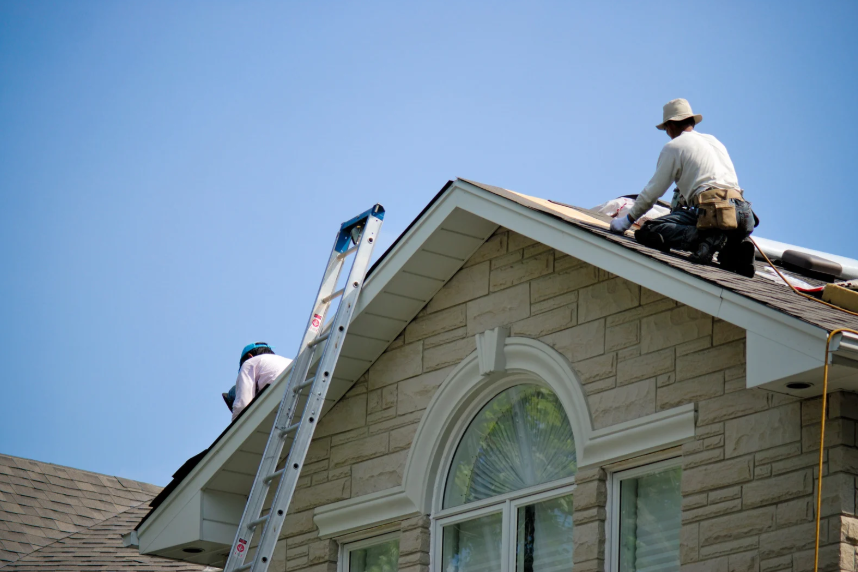
Most homeowners asking this question are already dealing with something stressful, a storm claim, a failed inspection, or a roof that has simply hit the end of its useful life. The timeline question is really a practical one: how much disruption are you signing up for, and when will your home be protected again?
For the majority of Allen homeowners, a roof replacement is a one-to-three-day project. Some jobs wrap in a single day. Others, depending on material, roof complexity, and weather, run longer. Here is what actually drives that range, and what you can expect from the moment a crew arrives until the final walkthrough is done.
The Short Answer: Most Allen Roof Replacements Take One to Three Days
A standard single-story home in Allen with an asphalt shingle roof and a reasonably simple layout is typically completed in one full day by an experienced crew. Two-story homes, steeper pitches, and larger square footage push that to two days. Premium materials like metal panels or tile systems generally add time regardless of home size.
The one-day benchmark assumes good weather, a single layer of existing shingles, no significant deck damage discovered during tear-off, and a crew sized appropriately for the job. When any of those variables changes, the timeline adjusts. A contractor who quotes every job as a one-day project without first evaluating your specific roof is not giving you an accurate picture.
What Affects the Timeline for a Roof Replacement in Allen
Roof size and pitch. Square footage is the most obvious factor, but pitch matters just as much. Steeper roofs require more staging, slower movement, and additional safety equipment. A 2,000-square-foot roof at a 12/12 pitch takes meaningfully longer than the same footprint at a 4/12.
Number of existing layers. Allen homes with two layers of shingles require a full double tear-off before new material can go down. That adds several hours of labor and significantly more debris to haul. Texas building code generally prohibits installing a third layer over existing roofing, so if your home already has two layers, a complete tear-off is not optional.
Roofing material. Asphalt shingle roofs install fastest. Metal roofing panels require more precise measurement, cutting, and fastening, which adds time. Tile roofing involves heavier individual pieces, more exacting layout work, and often more complex flashing around penetrations, pushing most tile jobs into the two-to-four-day range.
Deck condition. Once the old material is stripped, the deck gets inspected. Soft spots, rot, and damaged sheathing have to be replaced before anything goes back on top. In Collin County’s climate, where attic heat and occasional moisture infiltration are common, deck repairs are not rare. This is a good thing to find, but it does affect your schedule.
Crew size. A full crew of six to eight experienced roofers moves substantially faster than a smaller team. When evaluating contractors, asking about crew size is a reasonable and practical question.
Day-by-Day: What Actually Happens During a Roof Replacement
Day one, morning: Material delivery and setup. Your contractor typically delivers shingles or panels the day before or early on installation morning. Delivery trucks use conveyors to load materials directly onto the roof, which protects the lawn and streamlines the crew’s workflow. Protective tarps go down around the perimeter of the home before work begins.
Day one, mid-morning: Tear-off. The existing roofing material comes off first. On an asphalt job, experienced crews can strip a standard home in two to three hours. Everything goes directly into a dumpster or trailer positioned at the home’s edge. Once material is cleared, the deck gets a full visual inspection.
Day one, afternoon: Deck repairs and underlayment. Any damaged sheathing is replaced. Underlayment, the water-resistant barrier between your deck and the finished roofing surface, goes down next. This is a critical layer and one of the most important quality indicators on any job. Ice and water shields are installed at vulnerable areas including eaves, valleys, and around all penetrations.
Day one to two: Roofing installation. Shingles or panels are installed working from the eaves up. Ridge cap, flashing around chimneys, vents, and skylights, and all perimeter drip edges are completed before the crew considers the field work done. On a shingle job, this often wraps the same day as the tear-off. Metal and tile systems typically carry into a second day.
Final day: Cleanup and inspection. Magnetic rollers run across the yard and driveway to collect nails. All debris is hauled off. A final walkthrough with a crew lead covers flashing, ridge line, and penetration sealing. Many contractors schedule a post-installation roof inspection to document the completed work for your records and warranty file.
How Texas Weather Impacts Your Roofing Schedule
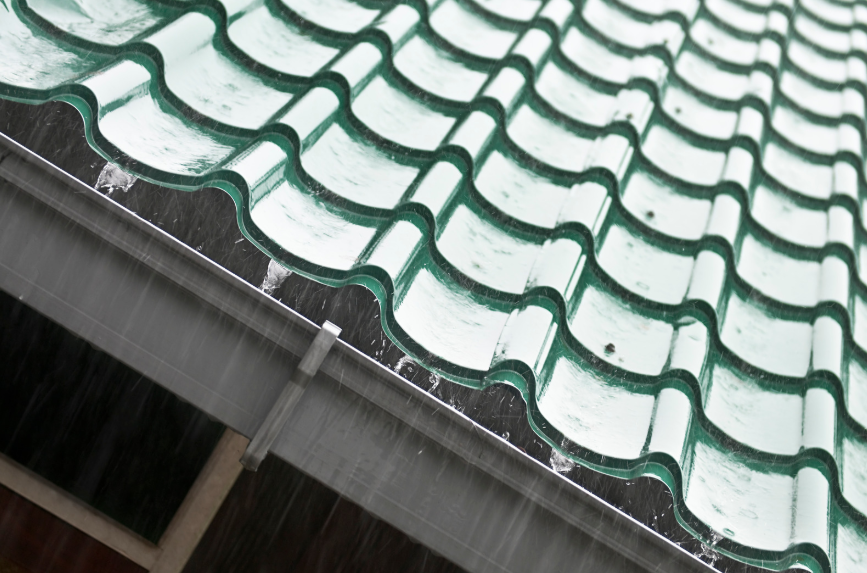
Allen sits in a climate zone that creates genuine scheduling complications. Summer heat above 100 degrees does not stop roofing work, but it slows it. Asphalt shingles become more pliable in extreme heat, which requires adjusted handling to avoid scuffing. Crews work earlier starts and pace accordingly on triple-digit days.
Spring is the busiest season for North Texas roofers, driven almost entirely by hail damage from March through June. Demand spikes after significant storm events across Collin County, which can push lead times out by several weeks for non-emergency work. If your home sustained storm damage and your roof is actively failing, most reputable contractors can accelerate scheduling for emergency roofing situations.
Rain is the one condition that genuinely halts a roofing project. A deck cannot be left exposed overnight in wet conditions, so crews monitor forecasts closely and will postpone start dates rather than begin a tear-off with rain in the forecast. If rain arrives unexpectedly mid-job, the exposed deck gets tarped immediately until work can resume.
Permit timing in Allen and the broader Collin County area is generally straightforward, but it adds a step. Most residential permits are processed within one to three business days. A contractor who pulls permits correctly, which every licensed contractor should, builds this into the project schedule.
Roofing Material vs. Installation Timeline
| Material | Typical Installation Time | Complexity | Weather Sensitivity |
|---|---|---|---|
| Asphalt Shingles | 1 day | Low-Moderate | Moderate |
| Architectural Shingles | 1-2 days | Moderate | Moderate |
| Standing Seam Metal | 2-4 days | High | Low-Moderate |
| Metal Shingles | 2-3 days | Moderate-High | Low-Moderate |
| Concrete Tile | 2-4 days | High | Low |
| Clay Tile | 3-5 days | Very High | Low |
Times reflect averages for a standard single-family home in the 2,000-2,500 square foot range. Larger homes, steeper pitches, and significant deck repairs extend all categories.
What Homeowners Should Do Before the Crew Arrives
A little preparation on your end makes the job run more smoothly and protects your property. Move vehicles out of the driveway and away from the home’s perimeter the night before work begins. The delivery truck and crew vehicles need full access to the structure, and falling debris can reach further than most homeowners expect.
Inside the attic, the vibration of tear-off and nail guns is significant. If you have items stored directly against the roof deck, move them to the center of the attic space or down entirely. The same principle applies to wall art and mirrors throughout the home: the percussion travels through the framing and has been known to knock lighter pieces off hooks.
Pets should be secured inside a room away from exterior walls, or better, at a boarding facility for the day. The noise level on a roofing job is substantial, and open gates or unsecured fence sections create risks for animals that are already stressed by the commotion.
Finally, confirm with your contractor where the dumpster or debris trailer will be staged and whether your landscaping needs any additional protection beyond what the crew supplies. Most experienced crews tarp everything automatically, but it is worth confirming in advance.
How to Tell If Your Contractor Is Moving at the Right Pace
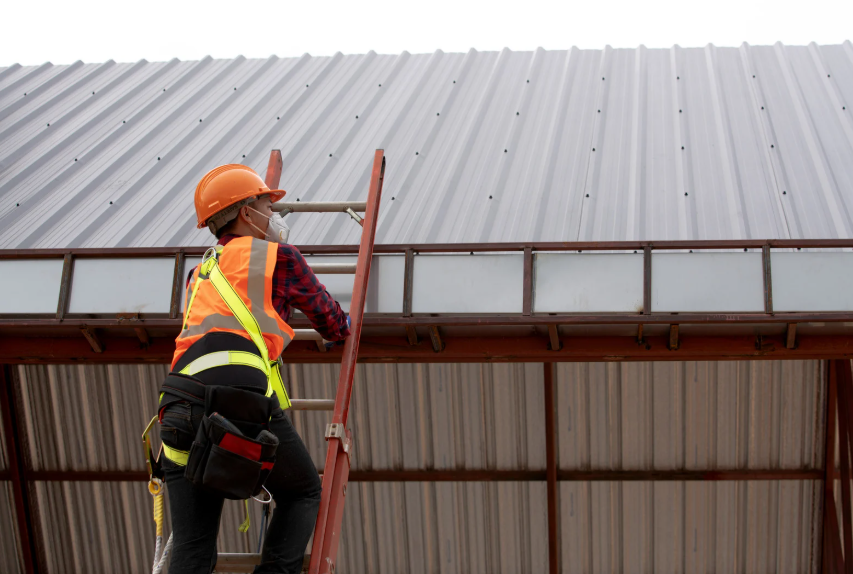
Speed and quality are not the same thing, and the fastest completion is not always the best outcome. A few markers of a job progressing correctly: the crew is large enough that multiple tasks are happening simultaneously, the deck inspection is treated as a genuine step rather than a formality, underlayment installation is done in full before any finish material goes down, and flashing at every penetration gets individual attention rather than being rushed through.
Red flags worth noting: a crew that skips the magnetic nail sweep, a contractor who pressures you to waive the permit step, work starting before materials are fully staged on the roof, and any suggestion that the old material does not need to come off entirely when two layers are already present.
The best Allen, TX roofing contractor for your project is one who gives you an accurate timeline before the job starts, communicates honestly if deck conditions change that estimate, and does not treat quality steps as optional in the interest of finishing faster.
Schedule Your Roof Replacement in Allen, TX
If your roof is showing its age or took damage in a recent storm, the timeline from first call to finished installation is shorter than most homeowners expect. Pickle Roofing Solutions handles the full scope from permit to cleanup, with experienced crews sized to complete the job correctly and efficiently.
Call (469) 247-8310 or get an instant quote online to get a project timeline specific to your home.
Frequently Asked Questions
Can a roof replacement be done in one day in Allen, TX?
Yes, for many homes. A single-story home with a moderately sized footprint, one layer of existing shingles, and no significant deck damage can be completed in a full workday by an experienced crew. Two-story homes and anything with a steep pitch or larger square footage typically require two days. Material choice also matters: asphalt shingles install significantly faster than metal or tile.
Do I need to be home during the roof replacement?
You do not need to be present throughout the day, but being available by phone is important. If the crew discovers deck damage during tear-off, your contractor needs to reach you quickly to discuss the repair and any cost adjustment. Most homeowners either stay home or check in at key points: when tear-off begins and when the crew is finishing up for a walkthrough.
Will a roof replacement damage my gutters or landscaping?
A professional crew takes precautions to protect both. Gutters are generally not removed unless they are being replaced as part of the project. Tarps go down around the perimeter to catch debris and protect plants. That said, roofing is a high-impact job and some minor disruption to landscaping directly adjacent to the home is normal. If you have particularly delicate plantings close to the foundation, mention them to your contractor before the crew arrives.
What happens if it rains during my roof replacement?
If rain arrives during an active job, the exposed deck gets tarped immediately. Work resumes when conditions allow. Reputable contractors monitor forecasts closely and will typically not begin a tear-off if significant rain is expected within the same workday. If rain delays extend the job into an additional day, a properly tarped deck is protected and no water intrusion should occur overnight.
How do I know if my deck needs repairs before I see the final bill?
Ask your contractor upfront what the protocol is for deck damage discovered during tear-off. A reputable contractor will document damaged areas with photos, walk you through what needs to be replaced and why, and get your approval before proceeding with repairs. Surprises on the final invoice that were not communicated during the job are a red flag.
How does the timeline differ for a home in McKinney versus Allen?
The variables that drive timeline, roof size, material, pitch, and deck condition, are the same across the area. McKinney and Allen sit in the same permit jurisdiction zone for most purposes, so processing times are comparable. The main practical difference is drive time and material staging logistics, neither of which meaningfully affects the installation schedule for most projects.
About Pickle Roofing Solutions
Pickle Roofing Solutions is a GAF Master Elite certified roofing contractor serving Allen, Plano, Frisco, McKinney, and the surrounding Collin County communities. With deep experience across asphalt, metal, tile, and specialty roofing systems, the team brings the same precision to a single-day shingle replacement as to a complex multi-day tile installation. Every project includes proper permitting, full deck inspection, and a post-job walkthrough. Call (469) 247-8310 to speak with a roofing specialist today.