
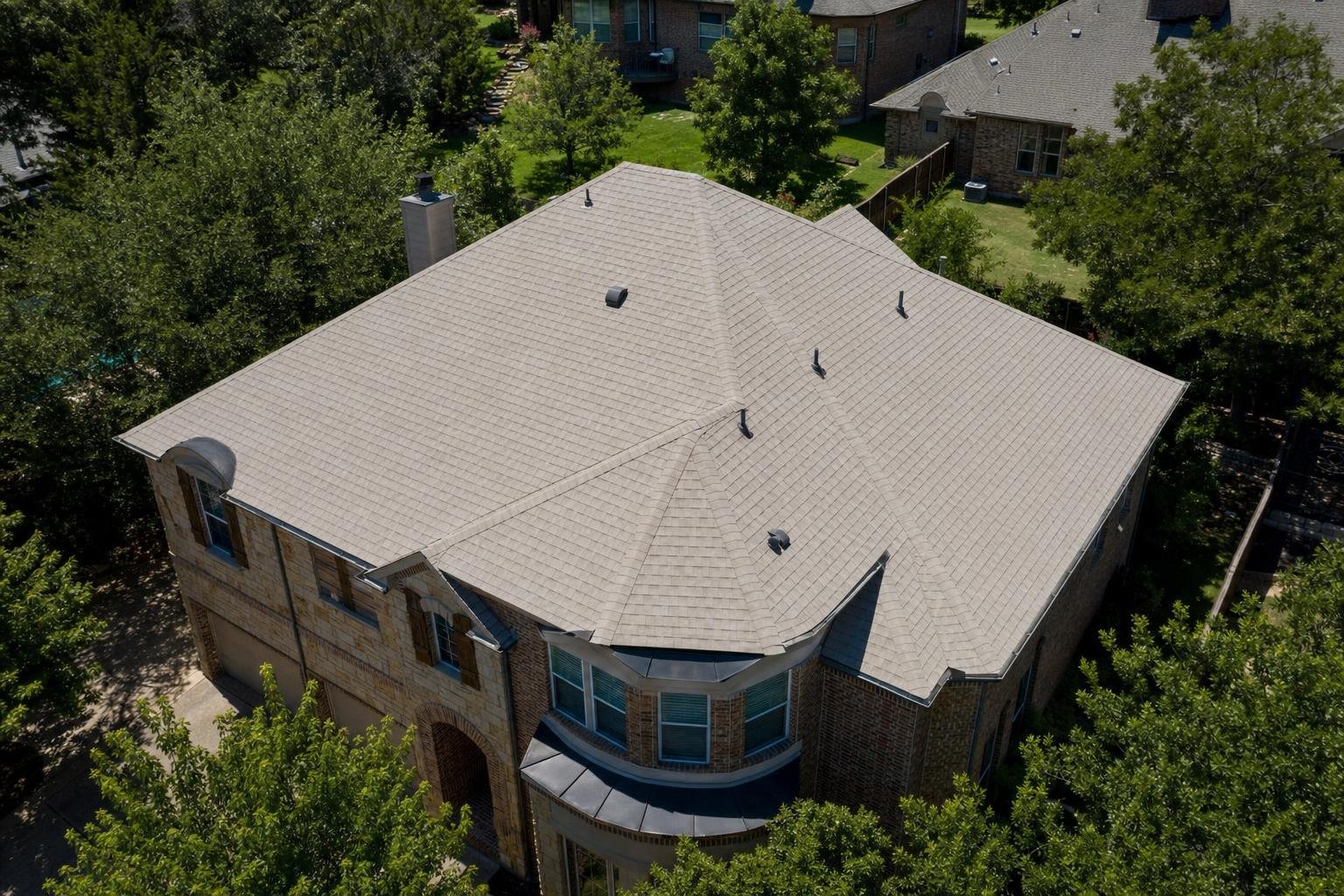
Summer heat in Allen hits hard, and your roof is the first line of defense against it. Without energy-efficient roofing, that heat drives straight into your attic, forces your AC to work overtime, and shows up on your monthly utility bill. At Pickle Roofing Solutions, we have worked with countless Texas homeowners since 2012, and we know exactly which materials and systems make a real difference in our extreme climate. This guide covers what actually works, why it matters for Allen homes, and how to make an informed decision before your next roof replacement.
Ready to stop overpaying on cooling bills? Call us at (469) 247-8310 to talk through your options.
Key Takeaways
- Cool roofs reflect sunlight and absorb less heat, directly reducing attic temperatures in Allen’s hot summers.
- Energy-efficient roofing materials like metal and reflective shingles can cut cooling costs by up to 15 percent.
- Proper roof ventilation works alongside your roofing material to push trapped heat out of your attic.
- Solar roofing options let Allen homeowners offset energy costs while upgrading to a more durable roof.
- GAF-certified materials and proper installation are both required to get the full energy-saving benefit.
Why Your Allen Home Stays Hot Even With the AC Running
Your attic is cooking your house from the inside out. On a 95°F North Texas day, the attic under a standard dark asphalt shingle roof can hit 150 to 160°F, according to U.S. Department of Energy data. That superheated air pushes straight down into your living space, forcing your HVAC to run almost constantly from June through September.
Energy-efficient roofing addresses this at the source. The right materials, colors, and ventilation can reflect solar heat before it ever enters your attic. We have seen firsthand what our scorching summers do to roofs across Frisco, Garland, and Murphy. At Pickle Roofing Solutions, we have served Texas homeowners since 2012, and our GAF Master Elite Certification and 3-Star President’s Club Award back that experience up.
This guide covers cool roof materials, reflective coatings, roof color choices, ventilation upgrades, and real cost savings. Let’s dive in.
Why Allen’s Climate Makes Energy-Efficient Roofing a Necessity, Not a Luxury
Heat Load: What Your Roof Is Working Against
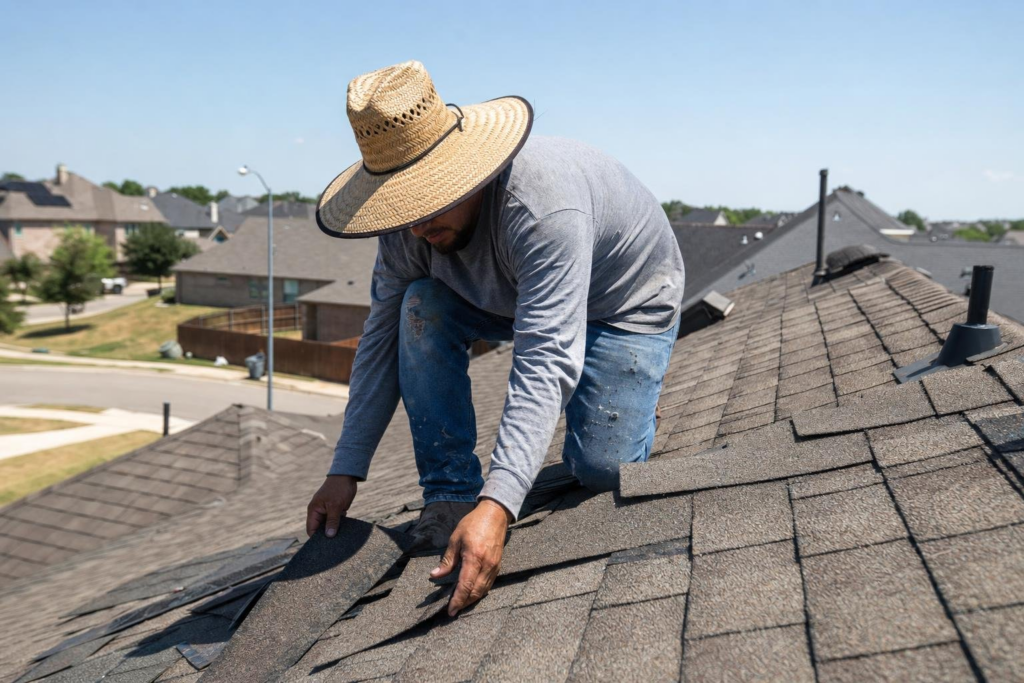
Heat load is the amount of heat your home gains through its surfaces. In our unique climate, that number is punishing. Collin County logs 68 or more days above 90°F per year. Average July highs run 96 to 98°F, with heat index values regularly topping 105°F.
Our suburban lots make this worse. Frisco and Murphy homeowners face the same problem. Newer neighborhoods across Collin County have minimal tree canopy, which means your roof sits in direct, unobstructed sun for 8 to 10 hours every summer day. A conventional dark asphalt shingle absorbs up to 90% of that solar radiation and converts it directly into radiant heat pushing into your attic.
That heat does not stay in the attic. It moves through your ceiling and into your living space, raising indoor temperatures hour after hour.
How Your Roof Affects HVAC Runtime and Utility Bills
Your air conditioner does not know why your house is hot. It only knows it has to run. Every degree of radiant heat bleeding through your ceiling adds minutes to each cooling cycle. In summer, that compounds fast across the Oncor billing period.
According to EPA and ENERGY STAR data, cool roofs, meaning roofs designed to reflect solar energy rather than absorb it, reduce peak cooling demand by 10 to 15%. That is a real, measurable drop in your monthly bill, not an estimate based on ideal conditions.
- Dark asphalt shingles: absorb up to 90% of solar radiation
- Cool roof materials: reflect a significant portion of that same radiation back into the atmosphere
- Peak cooling demand reduction: 10 to 15% with a qualifying cool roof
- Allen climate classification: USDA Hardiness Zone 8a, one of the hotter designations in North Texas
Ventilation alone will not solve the problem. Better airflow helps move trapped heat out of the attic, but if your roofing material is still absorbing 90% of incoming solar energy, you are fighting an uphill battle. Material choice and ventilation work together. One without the other leaves real savings on the table.
Our complete guide to roof ventilation for Texas homes breaks down how airflow and material choice work as a system, not as separate fixes. Texas homeowners in fully exposed suburban lots have the most to gain from addressing both at once.
Which Roofing Materials Deliver the Best Energy Efficiency in Allen?
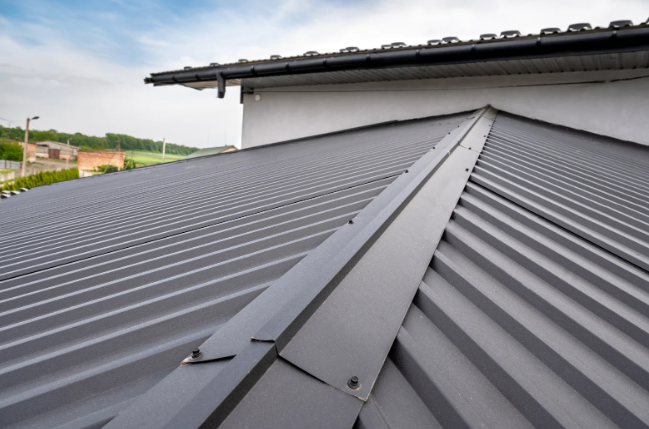
Not all roofing materials handle North Texas heat the same way. With 8 to 10 hours of direct sun exposure daily through a Collin County summer, the material on top of your home makes a real difference in what you pay to cool it. Here is what the data actually shows across the main options.
Metal Roofing
Metal is one of the strongest performers for energy savings in our climate. A bare metal roof reflects some heat on its own, but a roof finished with a cool-roof coating reaches a solar reflectance of 0.60 to 0.70. Solar reflectance is the percentage of sunlight bounced away from the surface rather than absorbed. Paired with a thermal emittance of 0.85 or higher (how quickly the material releases absorbed heat), a coated metal roof stays dramatically cooler than standard asphalt.
Standing seam metal roofing adds another advantage. The raised seams create a small air gap between the panels and the roof deck. That gap acts as a thermal break, slowing heat transfer into your attic. Qualifying colors are ENERGY STAR listed. The lifespan runs 40 to 70 years, which spreads the higher upfront cost over decades of metal roofing energy savings.
North Texas hail is also a real concern in neighborhoods across Frisco and Murphy, and metal handles impact far better than standard shingles. If you want to dig into specifics for your home, read more about metal roofing in Allen and what it costs locally.
ENERGY STAR-Rated Reflective Asphalt Shingles
Yes, you can get energy-efficient shingles that look like standard asphalt. ENERGY STAR-certified options such as the GAF Timberline Cool Series use granules engineered to reflect more solar energy than conventional shingles. Solar reflectance on these products typically falls between 0.25 and 0.35, which is lower than metal but meaningfully better than a standard dark shingle.
- Lighter shades perform 20 to 30 percent better than charcoal or black colors.
- Newer subdivisions in Collin County are seeing more homeowners choose lighter tones as HOAs increasingly permit them.
- The product profile looks identical to traditional asphalt from the street.
Our team installs across the full GAF cool-roof product line. Understanding what GAF certification means for your roof helps you compare products and warranties with confidence before you buy.
Tile and Slate Roofing
Clay and concrete tile work differently from metal or shingles. Instead of reflecting heat away, tile uses thermal mass. It absorbs heat slowly during the day and releases it after sunset, reducing the peak load on your AC during the hottest afternoon hours. The barrel or S-curve profile common to clay tile also creates natural airflow channels underneath each piece, adding passive ventilation.
The tradeoff is weight. Clay tile runs 900 to 1,200 lbs per square (one square equals 100 square feet of roof surface). Your home’s framing must support that load, so a structural assessment is required before installation.
Slate carries similar thermal mass properties at 800 to 1,500 lbs per square, but its 50 to 100 year lifespan makes the upfront cost easier to justify over time. Both materials also hold up well against hail, which matters across Garland and surrounding North Texas communities. For local pricing and installation details, see our page on tile roofing in Allen.
Roof Color, Coatings, and the Science of Solar Reflectance
Picking a lighter shingle color helps, but color alone does not tell the whole story. The real measure of a roof’s ability to reject heat is its Solar Reflectance Index, or SRI. SRI is a single number on a scale of 0 to 100 that combines two properties: how much solar energy a surface reflects, and how efficiently it releases absorbed heat back into the air. The higher the SRI, the cooler the roof stays under our Texas sun.
These numbers matter in real terms. A standard dark asphalt shingle scores somewhere between 10 and 20 on the SRI scale. A light-colored metal roof lands between 50 and 80. A white TPO membrane, which is a thermoplastic single-ply material common on flat roofs, can score 100 or higher. That gap translates directly into attic temperature differences of 20 to 40 degrees Fahrenheit on a July afternoon in Collin County.
How Solar Reflectance Index (SRI) Is Measured
SRI is tested under standardized laboratory conditions by measuring two things at once: solar reflectance (the fraction of sunlight bounced away) and thermal emittance (how readily the surface sheds heat). A product with high reflectance but poor emittance can still trap heat. SRI captures both, which is why roofing labels that simply say “reflective” do not give you the full picture.
Texas adopted the IECC 2021 energy code, and as of 2026 that standard incentivizes cool roof compliance for new residential construction. In Collin County, specifying products that meet IECC 2021 SRI thresholds can simplify permit approval. If you are building new or replacing a roof in the Plano or McKinney area, asking your contractor for cool roof documentation up front saves time at the permit office.
- Standard black roof: SRI approximately 0
- Dark asphalt shingle: SRI 10 to 20
- Light-colored metal roof: SRI 50 to 80
- White TPO membrane: SRI 100 or higher
- IECC 2021 residential threshold (low-slope): SRI 82 minimum
Cool Roof Coatings for Flat and Low-Slope Roofs
Flat and low-slope roofs are common on new construction along the US-75 and SH-121 corridors, and they absorb heat differently than sloped residential roofs. Cool roof coatings offer a practical, lower-cost option for improving energy efficiency without a full tear-off. These are liquid-applied products, typically acrylic, silicone, or elastomeric formulas. Elastomeric means the coating stretches and recovers its shape as the roof surface expands and contracts with temperature swings, forming a waterproof membrane in a single application.
A white elastomeric coating can raise a flat roof’s solar reflectance from roughly 0.05 to 0.80 in one application. That is a dramatic shift in energy performance at a fraction of full replacement cost. For homeowners and property owners in the Richardson or McKinney area who are not yet ready for a full replacement, a coating upgrade is a smart near-term move.
One important note: coatings do not fix a damaged roof. Applying a coating over deteriorated substrate traps moisture and accelerates failure. A professional roof inspection should always come first. If your deck and membrane are in good shape, our team can walk you through the right coating product for your specific roof type. If you have a flat roof that needs attention, our flat roofing services cover both repairs and full coating applications for residential and light commercial properties.
Ready to stop letting your roof run up your AC bill? Call us at (469) 247-8310 or request a free estimate online. Our team serves Plano, McKinney, Richardson, and the surrounding Collin County area. We will assess your current roof, walk you through the material and color options that fit your home and budget, and give you straight answers, no pressure.
Frequently Asked Questions
How Long Does an Energy-Efficient Roofing Installation Take in Allen?
Most residential energy-efficient roofing projects in Allen are completed within two to four days, depending on the size of the home and the material chosen. Metal roofing systems can take slightly longer due to panel fabrication and installation precision, while reflective asphalt shingles often go down faster. Pickle Roofing Solutions will give you a specific timeline during your initial estimate so you can plan accordingly.
Will an Energy-Efficient Roof Actually Lower My Utility Bills, or Is That Just Marketing?
The savings are real, but the amount varies based on your attic insulation, HVAC age, and how much direct sun exposure your roof receives. Homeowners in North Texas with older, dark-colored roofs often report cooling cost reductions of 15 to 25 percent after switching to a high-reflectance system. Pickle Roofing Solutions can walk you through realistic expectations based on your specific home and current roof conditions.
Does an Energy-Efficient Roof Qualify for a Tax Credit or Rebate in Texas?
Yes, certain ENERGY STAR-certified roofing products qualify for the federal residential energy efficiency tax credit, which can cover up to 30 percent of material costs with a defined cap. Some local utility providers in the Allen area also offer rebates for cool roof upgrades, so it is worth checking with Oncor or your specific provider. Pickle Roofing Solutions can help you identify which products meet the qualifying criteria before you commit to a material.
Can I Add a Cool Roof Coating to My Existing Roof Instead of Replacing It?
In many cases, yes. If your existing roof is structurally sound and not near the end of its service life, a reflective coating can be applied over flat or low-slope sections to improve solar reflectance without a full tear-off. However, coatings are not a substitute for a damaged or aging roof, and Pickle Roofing Solutions recommends a thorough inspection first to confirm the deck is in acceptable condition.
How Do I Know When My Current Roof Has Stopped Performing Efficiently?
Signs include rising summer utility bills that cannot be explained by usage changes, uneven temperatures between rooms, and visible granule loss or discoloration on asphalt shingles. An attic that feels excessively hot even with ventilation is another strong indicator that the roof is absorbing and transferring more heat than it should. Pickle Roofing Solutions offers free inspections for Allen homeowners who want a professional assessment before making any decisions.
Does a Lighter Colored Roof Perform Better in Winter by Losing Heat It Should Retain?
This is a common concern, but in a climate like Allen’s it is largely a non-issue. The heating season is short compared to the cooling season, and the annual net energy savings from reduced summer cooling almost always outweigh any minor increase in winter heating costs. Studies from the Department of Energy confirm that in hot and mixed climates, cool roofs deliver a positive net energy benefit year over year.
How Long Do Energy-Efficient Roofing Materials Typically Last in Allen’s Climate?
Metal roofing systems commonly last 40 to 70 years, while high-quality reflective asphalt shingles carry manufacturer warranties of 30 to 50 years when properly installed. Tile and slate products can exceed 50 years with routine maintenance. Pickle Roofing Solutions uses materials rated for the temperature extremes and hail exposure common in the Allen area to make sure longevity matches the energy performance claims.
Ready to Get Started with Pickle Roofing Solutions?
Call (469) 247-8310 to speak with our team directly. We’re ready to answer your questions, walk you through your options, and help you find the right solution for your needs. Whether you’re just starting to plan or ready to move forward, we’ll make the process simple and stress-free. Reach out today and let’s talk about how we can help.