

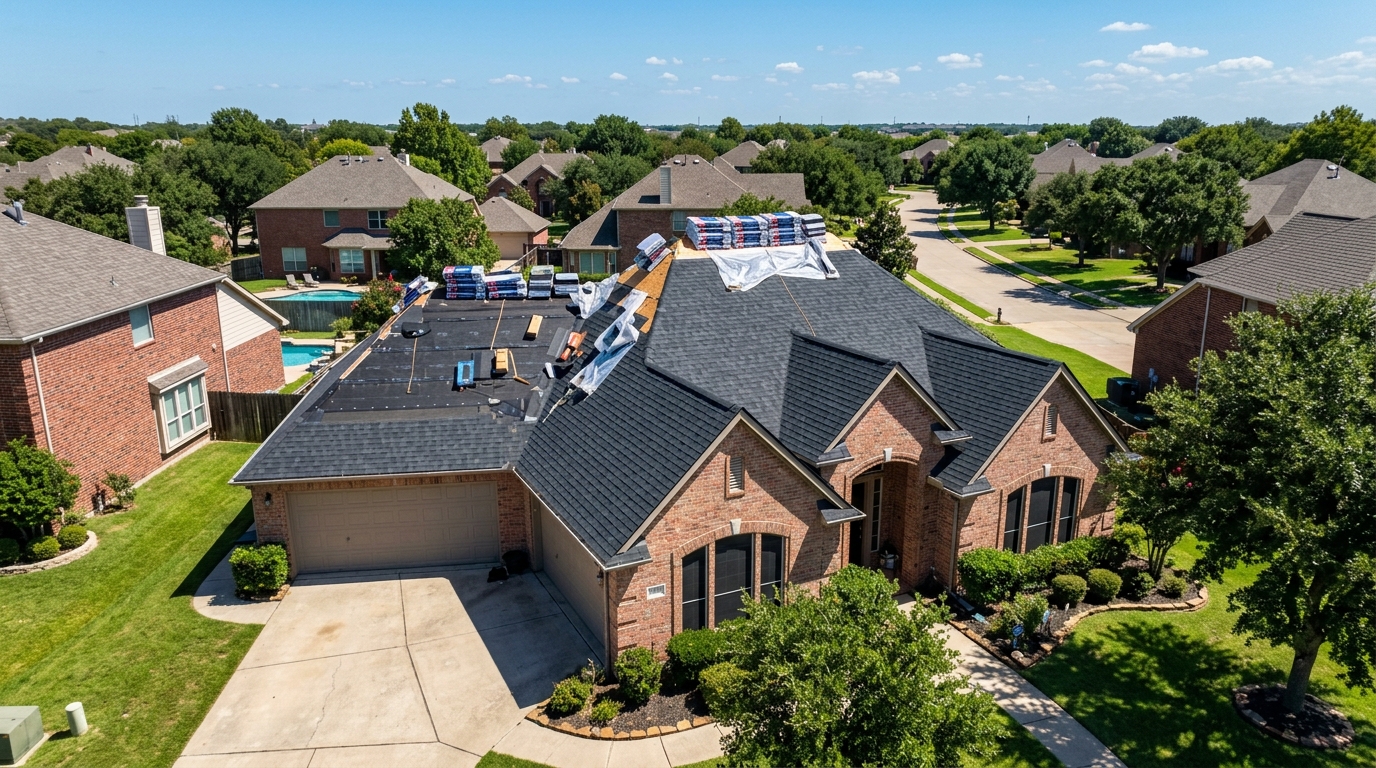
If you are asking how much a new roof costs in Texas, the short answer is that most homeowners pay between $8,000 and $25,000 for a full roof replacement. In the Allen area and throughout the Dallas-Fort Worth metroplex, expect to land somewhere in the $10,000 to $18,000 range for a standard architectural shingle roof on a typical 2,000 square foot home. Premium materials like metal or tile push that number significantly higher.
That is a wide range, and for good reason. Your actual cost depends on your roof’s size and complexity, the materials you choose, current labor rates in your market, and conditions specific to your property. Two neighbors with identical floor plans can receive quotes thousands of dollars apart based on roof pitch, number of layers to remove, and whether decking repairs are needed.
This guide breaks down the factors that determine what you will pay, compares costs across different roofing materials, and explains what to look for when evaluating quotes. Whether you are budgeting for a planned replacement or responding to storm damage, understanding these numbers helps you make informed decisions and avoid overpaying.
Understanding How Roofers Price Jobs
Roofing contractors measure and price jobs using “squares.” One roofing square equals 100 square feet of roof surface. This is not the same as your home’s floor plan square footage. A 2,000 square foot house typically has a roof between 22 and 28 squares depending on pitch, overhangs, and complexity. Steeper roofs have more surface area covering the same footprint.
When you receive a roofing quote, it should include materials, labor, tear-off and disposal of your existing roof, permits, and warranty coverage. Some contractors bundle everything into a single price per square, while others itemize each component. Itemized quotes make it easier to compare bids and understand exactly what you are paying for. Always ask for a detailed breakdown if the initial quote is a single lump sum.
Labor typically represents 40 to 60 percent of the total project cost. In metropolitan areas like Dallas-Fort Worth, labor rates tend to run higher than rural Texas due to competition for skilled crews and higher operating costs. Material prices fluctuate with market conditions, so quotes are generally valid for 30 to 60 days before needing to be refreshed.
Roof Replacement Cost by Material Type
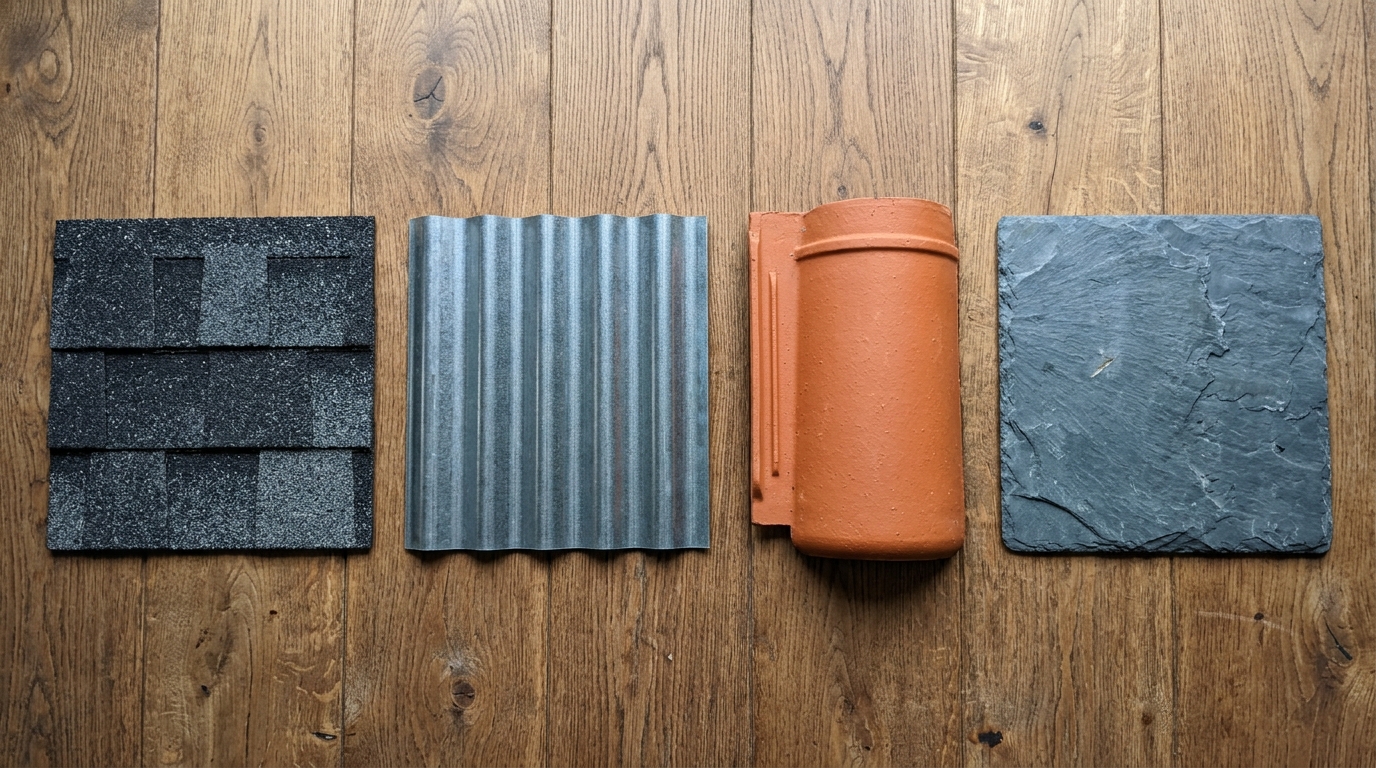
Material choice is the single largest variable in your roof replacement cost. Each material comes with different price points, lifespans, and performance characteristics suited to Texas conditions. Here is what to expect across the most common options.
Asphalt Shingles
Shingle roofing remains the most popular choice for Texas homeowners due to its balance of affordability, aesthetics, and proven performance. Three-tab shingles are the most economical option, typically running 20 to 30 percent less than architectural shingles but with a shorter lifespan of 15 to 20 years. Architectural shingles, also called dimensional or laminate shingles, offer better wind resistance, a more attractive layered appearance, and a 25 to 30 year expected lifespan.
For Allen and the DFW area, Class 4 impact-resistant shingles deserve serious consideration. These shingles are engineered to withstand hail impacts and carry the highest UL 2218 rating. They cost approximately 15 to 25 percent more than standard architectural shingles, but Texas law requires insurers to offer premium discounts for impact-resistant roofing. Most homeowners see a 20 to 35 percent reduction on the dwelling coverage portion of their premium, and those savings often cover the upgrade cost within five to seven years.
Metal Roofing
Metal roofing has gained significant popularity in Texas due to its exceptional longevity and performance in extreme conditions. Standing seam metal roofs typically cost 60 to 100 percent more than architectural shingles but can last 40 to 70 years with minimal maintenance. Metal panels offer a slightly lower price point while still providing decades of service.
Beyond durability, metal roofs offer meaningful energy savings. They reflect solar radiation rather than absorbing it, which can reduce cooling costs by 15 to 25 percent according to Department of Energy guidelines. In the Texas heat, this translates to real savings over time. Metal also resists hail damage better than most materials and can withstand high winds that would tear away shingles. The main drawbacks are higher upfront cost and potential noise during rain without proper insulation.
Tile Roofing
Tile roofing, including both clay and concrete options, represents a premium choice that combines striking aesthetics with extreme durability. Clay tiles can last 50 to 100 years or more, while concrete tiles typically provide 40 to 75 years of service. Both materials excel in hot climates and offer excellent fire resistance.
The primary consideration with tile is weight. Tile roofs are substantially heavier than shingle or metal, and your home’s structure must be verified to support the load. Older homes may require reinforcement, adding to project cost. Installation also requires specialized expertise, which limits contractor availability and can affect pricing. For homeowners seeking the Spanish or Mediterranean aesthetic common in parts of Texas, tile delivers unmatched authenticity and longevity.
Flat Roofing
Flat roofing systems are common on modern architectural homes and commercial-style residences. Materials include TPO, PVC membrane, and modified bitumen. These systems typically cost less per square foot than pitched roof materials but require different installation techniques and maintenance considerations. Proper drainage is critical for flat roof longevity in Texas, where sudden heavy rains can pool water if systems are not correctly designed.
Slate Roofing
Slate roofing sits at the top of the market in both cost and longevity. Natural slate can last 75 to 150 years or more, making it a multi-generational investment. Synthetic slate products offer a similar appearance at a lower price point and reduced weight, typically lasting 40 to 60 years. Both options deliver a distinctive aesthetic that significantly enhances curb appeal and home value.
Factors That Affect Your Roof Replacement Cost
Beyond material choice, several variables explain why quotes for seemingly similar homes can differ by thousands of dollars. Understanding these factors helps you evaluate bids and anticipate where your project might fall within typical ranges.
Roof Size and Complexity
A simple gable roof with two slopes costs significantly less to replace than a complex design with multiple valleys, dormers, skylights, and varying pitch angles. Each valley, penetration, and angle requires additional flashing, cutting, and labor time. Complex roofs can cost 20 to 40 percent more than simple designs of the same square footage. If your home has architectural features that create a visually interesting roofline, expect those features to appear in your quote.
Roof Pitch
Roof pitch, measured as rise over run, directly affects labor cost. Low-pitch roofs (4/12 and under) allow crews to work at standard pace with minimal safety equipment. Medium-pitch roofs (5/12 to 8/12) require more careful footing and slow the work somewhat. Steep roofs (9/12 and above) demand specialized safety equipment, harnesses, and significantly slower installation, which can add 20 to 30 percent to labor costs.
Tear-Off Layers
If your existing roof has multiple layers of shingles, removal takes longer and generates more disposal weight. Building codes in most Texas municipalities prohibit installing new roofing over more than one existing layer, so two or more layers require complete tear-off. Each additional layer adds roughly one to three dollars per square foot to your project cost.
Decking Condition
The plywood or OSB decking beneath your shingles cannot be fully assessed until the old roof is removed. Rotted, water-damaged, or structurally compromised decking must be replaced before new roofing can be installed. Decking replacement adds two to five dollars per square foot for affected areas. Reputable contractors include a contingency discussion in their quotes explaining how unexpected decking repairs will be handled and priced.
Permits and Local Requirements
Allen and most DFW-area cities require permits for roof replacement. Permit fees typically range from $75 to $200 for residential projects. Beyond the permit itself, local building codes may require specific installation methods, underlayment types, or deck attachment standards that affect material and labor costs. A reputable roofing contractor in Allen handles the permit process and ensures your roof installation meets all applicable codes.
Labor Market and Timing
Roofing demand in DFW follows predictable seasonal patterns. Spring through late summer brings peak activity, driven partly by homeowners addressing winter damage and partly by storm season repairs. Scheduling during slower months, typically late fall through early winter, may offer more flexibility and occasionally better pricing. Immediately after major hail events, demand spikes dramatically, extending wait times to several weeks and reducing contractor negotiating flexibility.
Why Class 4 Shingles Make Sense in Allen
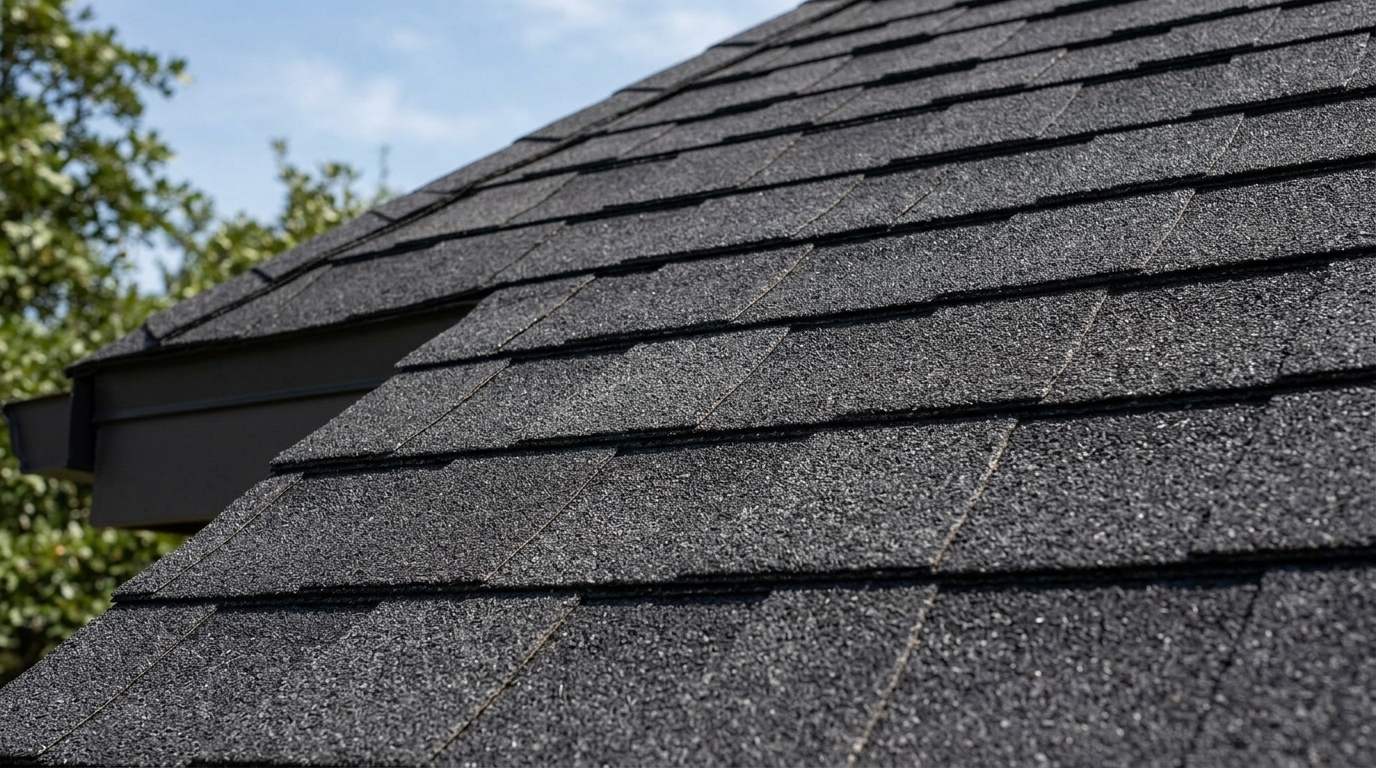
Allen sits squarely in North Texas hail territory. The National Weather Service regularly records significant hail events in Collin County each year, with stones frequently exceeding one inch in diameter. Standard shingles can be damaged or destroyed by moderate hail, leading to insurance claims, out-of-pocket deductibles, and the hassle of coordinating repairs.
Class 4 impact-resistant shingles pass the UL 2218 test, which means they survive a two-inch steel ball dropped from 20 feet without cracking. This represents substantially larger hail than what damages standard shingles. The upfront cost premium of 15 to 25 percent pays for itself through insurance discounts that most Texas homeowners receive. Additionally, you avoid the cycle of repeated claims, deductible payments, and disruption that comes with regular hail damage to standard roofing.
How Insurance Affects Your Roof Replacement Cost
If your roof was damaged by a covered event like hail or wind, your homeowner’s insurance may pay for most or all of the replacement cost minus your deductible. Understanding your policy type is essential. Replacement Cost Value policies pay the full cost to replace your roof with similar materials. Actual Cash Value policies deduct depreciation based on your roof’s age, which can leave you significantly short of actual replacement cost on older roofs.
Texas law gives homeowners one year from the date of loss to file a claim. Before contacting your insurance company, schedule a professional roof inspection to document the damage. Contractor documentation strengthens your claim and helps ensure the adjuster’s assessment captures the full scope of necessary repairs. If your initial settlement seems low, you have the right to supplement the claim with additional documentation and contractor estimates.
Deductibles in Texas are typically expressed as a percentage of dwelling coverage, often one to two percent. On a home insured at $400,000 with a two percent deductible, you would pay $8,000 out of pocket regardless of the total claim amount. Factor this into your budget planning when considering whether to file a claim for borderline damage.
How to Get the Best Value on Your Roof Replacement
Getting a fair price requires more than accepting the lowest bid. The cheapest quote often reflects corners that will be cut, while the highest quote may include unnecessary upgrades. Here is how to evaluate your options effectively.
Obtain two to three detailed, itemized quotes from licensed local contractors. Compare them line by line: same materials, same scope of work, same warranty terms. If one quote is dramatically lower or higher than the others, ask questions to understand why. A contractor offering the same materials and scope at 30 percent less than competitors is likely cutting somewhere, whether in labor quality, insurance coverage, or warranty backing.
Verify credentials before signing. Look for manufacturer certifications like GAF Master Elite certified or Owens Corning Platinum Preferred, which indicate training, quality standards, and access to enhanced warranty options. Confirm the contractor carries general liability and workers compensation insurance. Check references and online reviews. A contractor with an established local presence and track record is far more accountable than a crew that appeared after the last storm.
Get Your Roof Replacement Estimate Now!
Ready to find out exactly what a new roof will cost for your home? Contact Pickle Roofing Solutions for a free inspection and detailed estimate. We will assess your roof’s condition, discuss material options suited to your budget and goals, and provide a clear breakdown of costs with no hidden fees. Call (469) 247-8310 or visit our contact page to schedule your free estimate today.
Frequently Asked Questions
How much does a new roof cost in Allen, TX?
Most Allen homeowners pay between $10,000 and $18,000 for a standard architectural shingle roof on a typical 2,000 square foot home. Class 4 impact-resistant upgrades add 15 to 25 percent but qualify for insurance premium discounts that often offset the additional cost over time. Metal roofs typically run 60 to 100 percent more than shingles but last significantly longer.
What is the cheapest roofing material in Texas?
Three-tab asphalt shingles offer the lowest upfront cost, typically 20 to 30 percent less than architectural shingles. However, their 15 to 20 year lifespan in Texas heat and UV exposure means you will replace sooner than with more durable materials. Architectural shingles cost modestly more but last 25 to 30 years, often providing better long-term value.
How long does a roof last in Texas?
Roof lifespan depends heavily on material. Three-tab shingles typically last 15 to 20 years, architectural shingles 25 to 30 years, Class 4 impact-resistant shingles 25 to 35 years, metal roofs 40 to 70 years, and tile roofs 50 to 100 years. Texas UV exposure and hail shorten lifespan compared to milder climates. Proper attic ventilation is the single biggest factor in extending any roof’s service life.
Is a metal roof worth it in Texas?
For many Texas homeowners, yes. Metal roofs last two to three times longer than shingles, reflect solar radiation to reduce cooling costs by 15 to 25 percent, and resist hail and wind better than most materials. The higher upfront cost is offset by longevity and energy savings over time. Metal makes particular sense for homeowners planning to stay in their home long-term.
What time of year is best for roof replacement?
Late fall and winter months are typically slower for DFW roofers, which may mean better scheduling availability and occasionally more competitive pricing. Spring through late summer is peak season, with higher demand and potentially longer wait times. Avoid scheduling immediately after major hail events when every roofing crew in the region is booked solid.
Do I need a permit to replace my roof in Allen?
Yes. Allen requires permits for roof replacement, with fees typically in the $75 to $200 range. A reputable contractor handles the permit application and ensures the completed work passes inspection. Unpermitted work can create problems when selling your home and may void manufacturer warranties.
About Pickle Roofing Solutions
Pickle Roofing Solutions is a GAF Master Elite certified roofing contractor serving Allen, Plano, Frisco, McKinney, and communities throughout the Dallas-Fort Worth metroplex. We provide free inspections, detailed line-item estimates, and transparent pricing so you understand exactly what you are paying for. Our team has helped hundreds of North Texas homeowners navigate roof replacement decisions with confidence, whether budgeting for planned replacement or responding to storm damage.