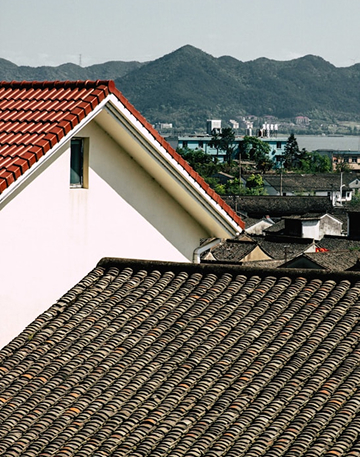

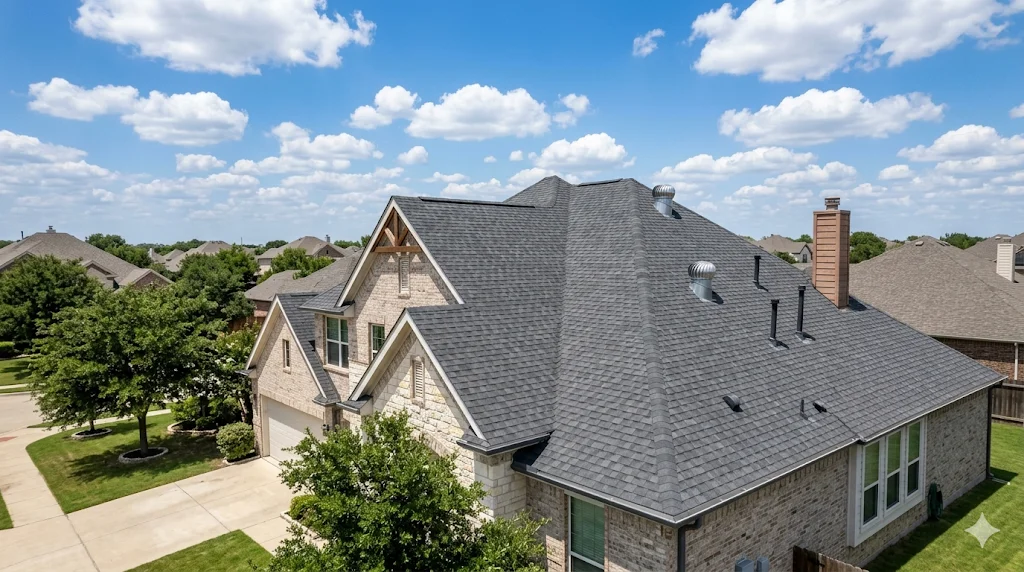
Your roof is one of the most critical systems in your home, yet most homeowners never think about it until something goes wrong. In Allen, TX, where summer heat pushes past 100 degrees, hailstorms can pop up in April, and humidity puts constant stress on building materials, understanding your roof's components can mean the difference between a small repair and a full replacement.
This guide walks through every major part of your roof, what it does, and why it matters, so you can make smarter decisions when it's time for maintenance, repairs, or a replacement.
The Roof Deck
The roof deck, also called sheathing, is the flat base layer that everything else sits on. It's typically made of oriented strand board (OSB) or plywood and is nailed directly to your home's rafters or trusses.
Think of the deck as the foundation of your roof system. If the deck is soft, rotting, or damaged, no amount of new shingles will protect your home properly. During a re-roof, a contractor should inspect the deck and replace any deteriorated sections before laying new materials.
In North Texas, moisture intrusion from storm-driven rain or poor ventilation can cause deck rot over time, even without visible damage from above.
Roof Rafters and Trusses
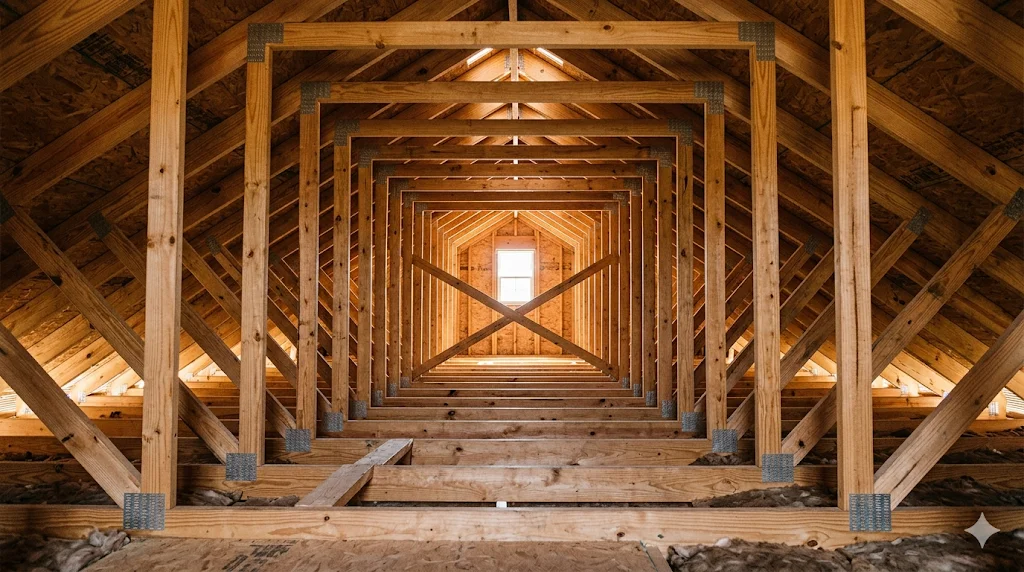
Beneath the deck are the structural bones of your roof, either rafters (hand-cut lumber) or manufactured trusses. These are what give your roof its shape and carry the load of everything above them, including shingles, underlayment, and any accumulated debris or moisture.
Most modern homes use trusses because they're engineered for consistency and can span longer distances. Older Allen homes may have rafter-style framing instead.
Underlayment
Underlayment is the moisture-resistant barrier installed directly on top of the roof deck, under the shingles. It provides a secondary line of defense if water ever gets under your shingles, which is more common than most homeowners realize.
There are two main types:
- Felt underlayment is the traditional option, typically made from asphalt-saturated felt. It's cost-effective and widely used.
- Synthetic underlayment is newer, lighter, and more resistant to tearing and moisture. Many roofing professionals in Allen now recommend synthetic underlayment for its durability in extreme temperature swings.
In Texas, where summer heat can warp or dry out felt products more quickly, synthetic underlayment has become increasingly popular for longer-lasting performance.
Roof Shingles
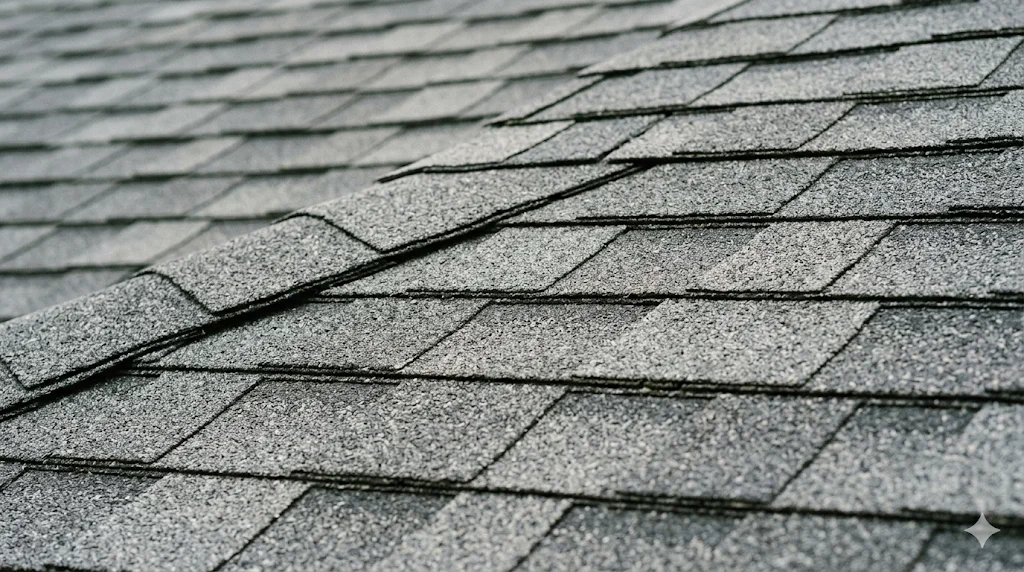
Shingles are the outermost layer of your roof, the part you can see from the street. They come in several materials, each with different performance characteristics.
Asphalt Shingles
Asphalt shingles are the most common roofing material in Allen and across the country. They come in two main grades.
3-tab shingles are the thinner, more affordable option. They're being used less frequently because they don't perform as well in high winds.
Architectural (dimensional) shingles are thicker, layered shingles that carry better wind and impact ratings. Most roofing professionals in North Texas recommend architectural shingles as the minimum standard for new roofs.
Impact-Resistant Shingles
Given North Texas's history with severe hail, many Allen homeowners are upgrading to Class 4 impact-resistant shingles. These are rated to withstand larger hailstones and can sometimes qualify for insurance premium discounts. Ask your insurance carrier if a Class 4 shingle would reduce your premium.
Ice and Water Shield
Ice and water shield is a self-adhering waterproof membrane that's applied at especially vulnerable areas of the roof, including the eaves, valleys, and around penetrations like skylights and vents.
While Allen doesn't see much ice compared to northern climates, ice and water shields still play an important role during heavy rain events. Water can drive under shingles at roof edges and around flashing during severe storms, and this membrane prevents that moisture from reaching the deck.
Most quality roofing installations in Allen include ice and water shields at least along the eaves and in the valleys.
Roof Flashing
Flashing is the metal material (usually aluminum or galvanized steel) that seals the joints where the roof meets vertical surfaces, like chimneys, walls, dormers, skylights, and roof valleys.
Flashing is one of the most common sources of roof leaks, especially on older homes. Over time, the caulk and sealants used around flashing can crack or dry out. Improper flashing installation is also a frequent problem, especially on homes that had quick or budget repairs done in the past.
During any roof inspection, a contractor should pay close attention to all flashing locations. If you're noticing water stains on ceilings near a chimney or exterior wall, the flashing is often the culprit.
Roof Valleys
A valley is where two roof slopes meet, forming a channel. Because rainwater naturally flows toward valleys, they carry more water than most other parts of the roof.
Valleys need to be properly waterproofed, either with ice and water shield, metal valley flashing, or both. Open metal valleys are visible from the ground as a strip of metal running down the joint. Closed-cut or woven valleys use shingles overlapping the joint and are more common on residential roofs.
In Allen's climate, where sudden heavy downpours are common, properly installed valley protection is especially critical.
Drip Edge
Drip edge is a metal strip installed along the outer edges of your roof, at the eaves and rakes. Its job is to direct water away from the fascia boards and into the gutters rather than letting it run down the side of your home.
Drip edge is not just a good practice, it's required by most building codes and roofing manufacturer warranties. A roof installed without drip edge can void certain warranty coverage.
Ridge Cap
The ridge cap covers the very top of your roof, where two opposing slopes meet at the peak. It's typically made from specially folded shingles or a dedicated ridge cap product.
Beyond aesthetics, the ridge cap seals the most exposed part of your roof from wind-driven rain. It also plays a role in attic ventilation when used alongside a ridge vent system.
Roof Ventilation
Ventilation is often overlooked, but it has a huge impact on the lifespan of your roof and the energy efficiency of your home.
A properly ventilated attic allows hot air to escape in summer and prevents moisture buildup year-round. Without adequate ventilation, attic temperatures in Allen can reach 150 degrees or more during July and August, which degrades shingles from the inside out and can shorten their lifespan significantly.
Common ventilation components include:
- Ridge vents run along the peak of the roof and allow hot air to exit.
- Soffit vents are installed in the eaves and pull cooler outside air into the attic.
- Box vents or turtle vents are fixed vents cut into the roof deck near the ridge.
- Power fans or solar attic fans actively move air when temperatures rise.
Soffit and Fascia
Soffit is the material covering the underside of the roof overhang, the section between the outer wall and the edge of the roof. Fascia is the vertical board that runs along the roof edge where gutters are attached.
Together, soffit and fascia seal off the roof overhang from pests, moisture, and weather. Damaged soffit can allow birds, squirrels, and insects to enter your attic space. Rotted fascia can cause gutters to sag or pull away from the home.
These components are often made of wood on older homes or vinyl on newer construction. Both can deteriorate in North Texas's climate, especially in areas with poor drainage or shade that stays damp.
Gutters and Downspouts
While not technically part of the roof structure itself, gutters and downspouts are closely connected to your roof system's performance. They collect water running off your shingles and direct it away from your foundation.
Clogged or damaged gutters can cause water to back up under your drip edge, causing rot and leaks. In Allen, gutters fill with fall leaves and debris quickly, so regular cleaning is important.
Why This Matters for Allen Homeowners
Every one of these components works together as a system. A failure in one area can compromise the entire roof. For example, damaged flashing lets water in, which soaks the deck, which leads to rot, which eventually shows up as ceiling stains or structural damage inside your home.
Regular roof inspections are the best way to catch small issues before they become expensive ones. A professional inspection can identify worn flashing, missing shingles, ventilation problems, or early signs of deck damage, none of which are visible from the ground.
Ready for a Professional Roof Inspection?
If your roof is more than 10 years old, has been through recent hail, or you've noticed any ceiling stains or granule buildup in your gutters, it's worth having a professional take a look. Pickle Roofing Solutions offers free roof inspections for Allen homeowners.
Call (972) 954-7186 to schedule your inspection today. One of our GAF Master Elite certified professionals will assess every component of your roof and give you a clear, honest picture of what's going on up there.
Frequently Asked Questions
How often should I have my roof inspected in Allen, TX
Most roofing professionals recommend an annual inspection, plus an additional check after any significant hail or wind event. Collin County sees active storm seasons, so building inspection into your annual home maintenance schedule is practical.
How long does a typical residential roof last in North Texas
Standard three-tab asphalt shingles last 15 to 20 years in Texas. Architectural shingles typically last 25 to 30 years. Metal roofing can last 40 to 70 years. Actual lifespan depends on installation quality, ventilation, and how well the roof weathers storm seasons.
What is the most important part of a roof system
All components work together, but the roof deck and flashing are critical. A compromised deck undermines everything above it, and flashing failures around penetrations are the leading cause of residential roof leaks. Proper ventilation also plays an outsized role in long-term roof health.
Can I replace individual parts of my roof without replacing the whole thing
Yes, in most cases. Damaged shingles, flashing, gutters, and soffit panels can often be replaced individually. If the roof deck is compromised or the shingles are near the end of their useful life, a full replacement may be more cost-effective than ongoing repairs.
What signs indicate my roof needs immediate attention
Water stains on ceilings or walls, missing or visibly damaged shingles, sagging sections anywhere on the roof, granule accumulation in gutters after storms, and daylight visible through the attic are all signs that warrant a prompt professional inspection.
About Pickle Roofing Solutions
Pickle Roofing Solutions is a GAF Master Elite certified roofing contractor serving Allen, Plano, McKinney, Frisco, and surrounding Collin County communities. Call (972) 954-7186 to schedule your free consultation.