

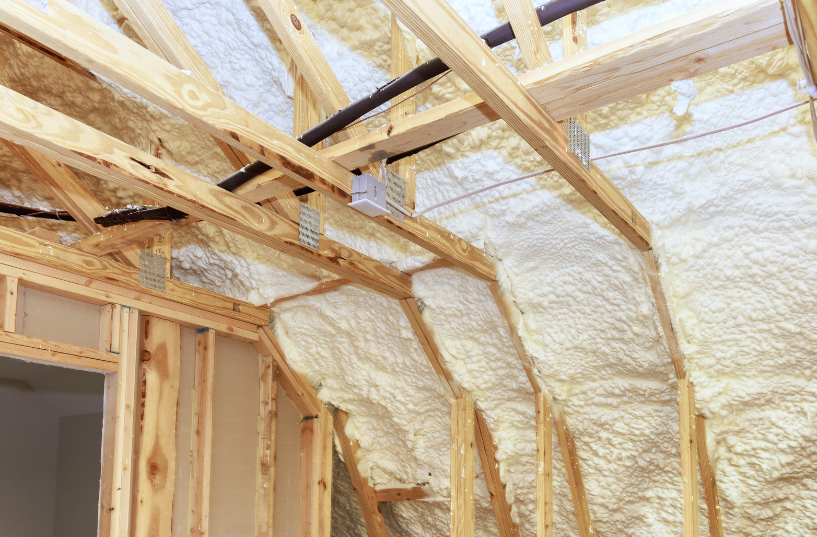
Your home’s got character, but the energy bills? Through the roof. In North Texas, a hot attic can push your AC hard from late spring into fall, and that heat often comes straight down through the ceiling. That’s where spray foam insulation comes into play.
If you’re researching spray foam insulation cost, you’ve probably seen price ranges all over the map. That’s because the price of spray foam depends on the type of foam, how thick it’s applied, how much area you’re covering, and how easy that area is to reach. This guide explains how spray foam pricing works, what drives the cost per square foot up or down, the pros and cons, how long it lasts, and when it makes sense for Allen and North Texas roofs.
Whether you’re insulating an attic in Allen, a garage, or the underside of a low-slope roof deck, the goal is the same: understand what you’re paying for so you can compare quotes with confidence.
How Much Does Spray Foam Insulation Cost Today?
There isn’t one fixed price for spray foam insulation. Installers price most jobs by the board foot (one square foot of foam, one inch thick), then convert that into a cost per square foot based on how many inches your project needs. A job that needs a thicker layer costs more per square foot than a thinner one, even with the same foam.
Here is how the main cost drivers stack up in general terms:
- Foam type: Open-cell foam is usually the lower-cost option per board foot. Closed-cell foam costs more per board foot but delivers more insulating value per inch.
- Thickness: The more inches required to reach your target R-value, the higher the total cost.
- Square footage: Larger areas use more material, though bigger jobs can sometimes lower the cost per square foot because setup costs are spread out.
- Access and prep: Tight attics, low clearances, and the removal of old insulation all add labor time.
- Current material and labor prices: Foam chemical pricing and local labor rates change over time, so a quote from a few years ago (or a national average online) may not match what you’ll pay today.
Because of these variables, the most reliable number is a written quote based on an on-site look at your attic or roof. National averages are a useful starting point, but they rarely reflect the size, pitch, and condition of your specific home.
Spray Foam Insulation Cost per Square Foot
When you see spray foam insulation cost per square foot, it’s usually the board-foot price multiplied by the thickness. For example, a roof deck that needs several inches of open-cell foam will cost more per square foot than a wall cavity that only needs a few inches.
A few points help when comparing per-square-foot pricing between quotes:
- Confirm the foam type (open-cell or closed-cell) listed in each quote.
- Confirm the thickness in inches and the resulting R-value.
- Check whether removal of old insulation, air sealing, and cleanup are included.
- Ask whether any ignition or thermal barrier coating required by code is included in the price.
Two quotes with the same price per square foot can deliver very different results if one uses less foam. Comparing the R-value and thickness keeps the comparison fair.
Spray Foam Attic Insulation Cost
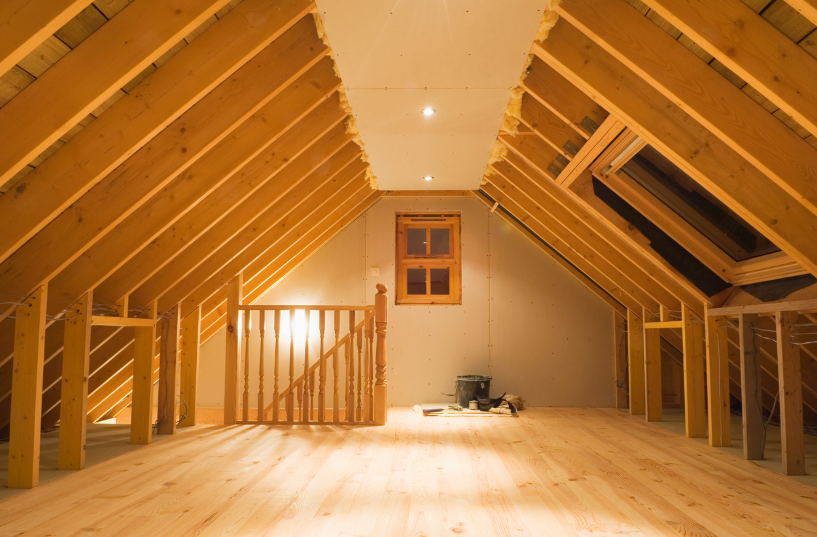
The attic is the most common place homeowners ask about when they search for the cost to spray foam an attic. There are two main approaches, and they affect the price differently:
- Foam on the attic floor: Insulates the ceiling of your living space and leaves the attic vented. This covers less area in some homes, but it doesn’t bring the attic into the conditioned space.
- Foam on the underside of the roof deck: Creates a sealed, or “conditioned,” attic. This is common when ductwork and HVAC equipment sit in the attic, as they often do in North Texas homes. Because the roof deck has more surface area than the attic floor (especially on steep or complex roofs), this approach usually uses more foam.
Spray foam attic insulation cost also depends on roof pitch, the number of hips and valleys, attic height, and whether existing batts or blown-in insulation need to be removed first. Sealing the attic also changes how it’s ventilated, so the decision should be made with your roof in mind, not just the insulation.
Open-Cell vs Closed-Cell Spray Foam Cost
Open-cell and closed-cell spray foam are priced differently because they perform differently. Your choice can significantly change both your project cost and the results.
Open-Cell Spray Foam
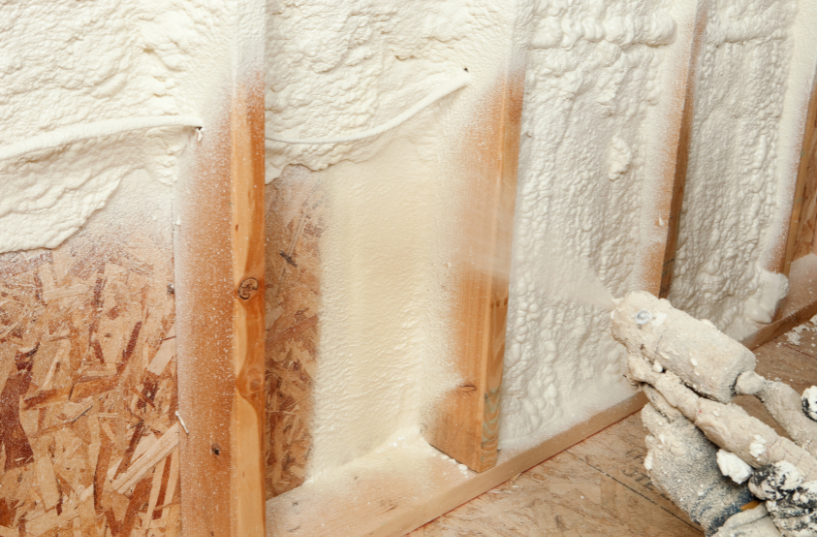
Open-cell spray foam has a light, spongy texture. It expands a lot during application, filling gaps and irregular cavities well, and it absorbs sound, which makes it a popular choice for interior walls and attics.
Open-cell foam usually costs less per board foot than closed-cell foam. However, it has a lower R-value per inch, so you need a thicker layer to reach the same insulating value. It’s also vapor-permeable, which means it doesn’t block moisture the way closed-cell foam does.
Closed-Cell Spray Foam
Closed-cell spray foam is denser and more rigid. It offers a higher R-value per inch, acts as a strong air and moisture barrier, and adds some rigidity to the surfaces it bonds to.
Closed-cell spray foam cost is higher per board foot, but you need fewer inches to reach a target R-value. That makes it a common choice where space is limited or where moisture resistance matters, such as on the exterior side of roofs, rim joists, and areas exposed to humidity.
Spray Foam Roof Cost: Commercial and Flat Roofs
Some searches for spray foam roof cost aren’t about attic insulation at all. They’re about spray polyurethane foam (SPF) roofing, a system where closed-cell foam is sprayed on top of a roof deck and then covered with a protective coating. SPF roofing is mostly used on low-slope and flat roofs, especially on commercial buildings.
The cost of an SPF roof depends on the size of the roof, the condition of the existing roof, how many penetrations and HVAC units are on it, the foam thickness, and the type of coating used. If you manage a building with a low-slope roof, it’s worth comparing SPF against other options such as single-ply membranes. Our commercial roofing services in Allen can help you weigh the options for your building.
Pros and Cons of Spray Foam Insulation
Spray foam is a strong option for many homes, but it isn’t the right fit for every situation. Here is a balanced look.
Pros
- Air sealing: Spray foam fills cracks and gaps that other insulation types leave open, reducing drafts and air leakage.
- Energy efficiency: A tight seal can reduce the load on your HVAC system, which may help lower energy bills.
- Comfort: Rooms below the attic often stay cooler in summer and warmer in winter.
- Moisture control (closed-cell): Closed-cell foam resists water and acts as a vapor barrier.
- Long service life: When installed correctly, spray foam doesn’t sag or settle like some other insulation types.
Cons
- Higher upfront cost: Spray foam usually costs more to install than fiberglass batts or blown-in insulation.
- Installation quality matters: An incorrect chemical mix or poor application can cause odors, gaps, or poor adhesion.
- Harder to inspect the roof deck: Foam on the underside of the deck can hide leaks or rot, which may make future roof inspections and repairs more involved.
- Removal is difficult: Once it’s applied, spray foam is hard and costly to remove.
- Warranty and ventilation questions: Sealing an attic changes how the roof is ventilated, which may affect some shingle manufacturers’ warranty terms.
How Long Does Spray Foam Insulation Last?
Properly installed spray foam insulation is designed to last for decades. Because it bonds to the surface and doesn’t settle, it can perform for the life of the home in many cases. Its real-world lifespan depends on installation quality, whether the foam stays dry, and whether it’s protected from UV exposure.
SPF roofing systems are different, because the foam is exposed to the weather. Their lifespan depends heavily on the protective coating, which needs periodic inspection and recoating to keep the foam underneath protected. Regular maintenance is what keeps an SPF roof performing over the long term.
When Spray Foam Fits Allen and North Texas Roofs
North Texas homes face long, hot summers, occasional hard freezes, and frequent hail and wind storms. Here is when spray foam tends to make the most sense in Allen and the surrounding area:
- HVAC equipment or ducts in the attic: Many homes here have ductwork in the attic. Sealing the attic with roof-deck foam keeps that equipment out of extreme summer heat.
- Hot upstairs rooms: If upstairs bedrooms stay hot no matter how low you set the thermostat, air leakage and attic heat are common causes.
- A roof in good condition: Spray foam should go on a sound, dry roof deck. If your roof is nearing the end of its life or has storm damage, it’s smart to address the roof first so you don’t have to work around foam later.
- Low-slope and flat commercial roofs: SPF roofing can be a fit for flat roofs on retail, office, and warehouse buildings, where its seamless surface helps reduce leak points.
Spray foam may be less of a fit if your roof has active leaks, if you plan to replace your roof soon, or if your attic ventilation and roof warranty requirements haven’t been reviewed. Because hail is so common in Collin County, it’s also worth thinking about how easy it will be to inspect the roof deck after a storm.
DIY vs. Professional Installation
DIY spray foam kits are sold for small jobs such as sealing gaps or insulating a small area. For an attic, roof deck, or whole home, professional installation is usually the safer choice.
- Safety: Spray foam chemicals require protective equipment and proper ventilation during application.
- Consistency: Professionals use calibrated equipment to get the right mix and thickness, which affects both performance and cost.
- Coverage: Kits cover limited board feet, so larger projects can quickly require multiple kits and still produce uneven results.
- Fixing mistakes: Because cured foam is hard to remove, errors can be costly to correct.
For most homeowners, the extra cost of a professional install pays for itself through consistent results and fewer problems down the road.
Long-Term Value: Is Spray Foam Worth the Cost?
Spray foam insulation costs more upfront than fiberglass or blown-in insulation. Its value comes from what happens after installation: a tighter building envelope, less work for your HVAC system, and better comfort year-round. How quickly it pays off depends on your current insulation, your utility rates, the size of your home, and how much air leakage it fixes.
The best way to judge value is to look at the whole system, including your roof, attic ventilation, and HVAC setup, rather than the insulation alone.
Spray Foam Insulation Cost FAQs
How much does spray foam insulation cost per square foot?
It depends on the foam type and the thickness required. Installers usually price by the board foot (one square foot, one inch thick), so the cost per square foot rises with the number of inches needed. Closed-cell foam costs more per board foot than open-cell foam but needs fewer inches for the same R-value.
Is it cheaper to spray foam the attic floor or the roof deck?
Foaming the attic floor often covers less area, while foaming the underside of the roof deck usually covers more surface, especially on steep or complex roofs. Roof-deck foam creates a sealed attic, which can be worth it when your ductwork and HVAC equipment are in the attic.
Why is closed-cell spray foam more expensive than open-cell?
Closed-cell foam is denser and uses more material per board foot. In return, it offers a higher R-value per inch, better moisture resistance, and added rigidity.
How long does spray foam insulation last?
When installed correctly and kept dry, spray foam insulation is designed to last for decades without settling. SPF roofing systems need periodic coating maintenance to protect the foam from the weather.
Can spray foam affect my roof warranty?
It can. Some shingle manufacturers have specific attic ventilation requirements. Review your roof warranty and talk with your roofing contractor before sealing your attic with spray foam.
Should I fix or replace my roof before adding spray foam?
Yes, if your roof has leaks, storm damage, or is near the end of its life. Spray foam should be applied to a dry, sound roof deck, and repairing the roof afterward can be more involved.
Talk to Pickle Roofing Solutions About Your Roof and Attic
Spray foam works best when the roof above it is in good shape. Since 2012, Pickle Roofing Solutions has helped homeowners and building owners across Allen and North Texas protect their roofs. Whether you’re weighing attic insulation, dealing with a hot upstairs, or considering an SPF system for a flat roof, our team can inspect your roof and give you a free, written quote.
Call (972) 954 7186 or reach out online to schedule your free inspection.