When you look at your Allen home's roofline, you're seeing more than just shingles and gutters. Every angle, edge, and intersection serves a specific purpose in protecting your investment from Texas weather extremes. One critical element that many homeowners overlook is the roof rake, a component that plays a vital role in both structural integrity and weather protection.
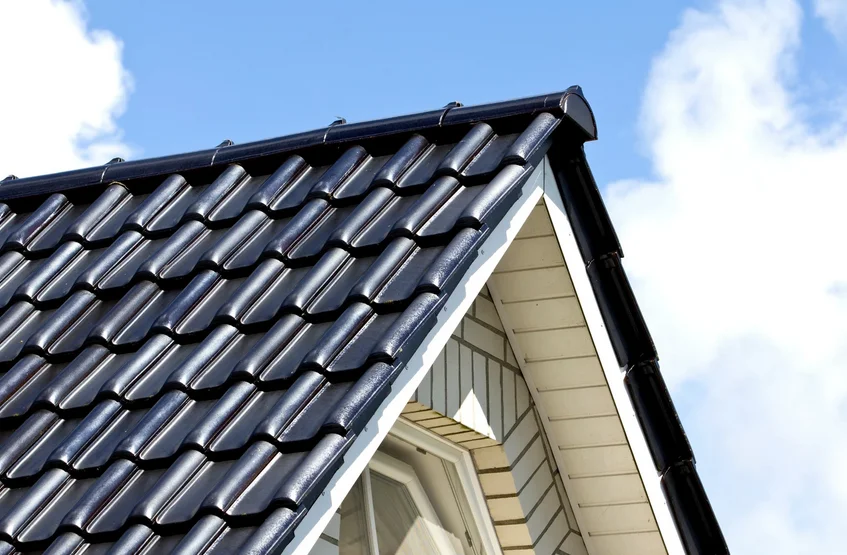
The rake of a roof refers to the inclined edge that runs from the eave to the ridge along the gable end of your home. This angled perimeter requires special attention during construction and maintenance, as it's exposed to wind-driven rain, ice dams, and the intense Texas sun without the protection of gutters. Understanding your roof's rake system becomes especially important in Allen, where seasonal storms and temperature fluctuations can create unique challenges for home protection.
Whether you're planning a roof replacement, addressing leak issues, or simply want to better understand your home's construction, knowing how rake systems work can help you make informed decisions about maintenance and improvements. This comprehensive guide will explore everything Allen homeowners need to know about roof rakes, from basic terminology to practical maintenance strategies that protect your home year-round.
Understanding Basic Roof Rake Terminology
The rake edge represents the sloped perimeter of your roof that runs parallel to the roof's slope, typically found on gable-style homes common throughout Allen neighborhoods. Unlike the horizontal eaves that benefit from gutter systems, rake edges rely on proper flashing, trim, and underlayment to prevent water infiltration.
Professional roofers distinguish between several rake components that work together as a complete system. The rake board, also called a barge board, provides the structural foundation along the roof's edge. This board supports the rake trim, which creates the finished appearance while sealing the roof system against weather intrusion.
Rake overhang measurements vary depending on architectural style and local building codes, but most Allen homes feature overhangs between six and twelve inches. This overhang serves multiple functions, including protecting siding from rain runoff and providing shade that reduces cooling costs during Texas summers.
The fascia board connects the rake system to the rest of your roof's trim package, creating a continuous weather barrier around your home's perimeter. When Pickle Roofing Solutions installs or repairs rake systems, proper fascia integration ensures long-term performance and aesthetic appeal.
Why Rake Design Matters for Texas Weather
Allen's climate presents unique challenges that make proper rake design essential for home protection. Summer temperatures regularly exceed 100 degrees, creating thermal expansion that can stress improperly installed rake components. Without adequate ventilation and expansion joints, rake boards can warp or separate from the roof structure.
Severe thunderstorms bring another set of challenges, with wind speeds that can exceed 70 mph during peak storm season. The rake edge acts as a leading edge where wind forces concentrate, making proper fastening and flashing crucial for preventing blow-off damage.
Texas humidity levels, which average 65% annually in the Dallas-Fort Worth area, accelerate the deterioration of untreated wood rake components. Proper material selection and protective coatings become essential for extending the lifespan of rake systems in this environment.
Common Rake Problems in Allen Homes
Water damage represents the most frequent rake-related issue affecting Allen homeowners, often beginning with small gaps that expand over multiple seasons.
- Storm-Related Flashing Failure: When rake flashing fails or becomes displaced during storms, water infiltration can damage roof decking, insulation, and interior finishes before homeowners notice visible signs of problems.
- Pest Intrusion: Damaged rake areas often invite carpenter bees and wasps that target exposed wood components. These insects can cause structural damage while creating entry points for moisture that accelerates rot and decay in rake boards and underlying structures.
- Poor Ventilation: Inadequate ventilation along rake areas can trap moisture and heat, reducing energy efficiency and creating conditions that promote mold growth in attic spaces. This problem becomes particularly acute in newer, tightly sealed homes where natural air circulation may be insufficient to prevent moisture buildup.
Rake Maintenance and Inspection Guidelines
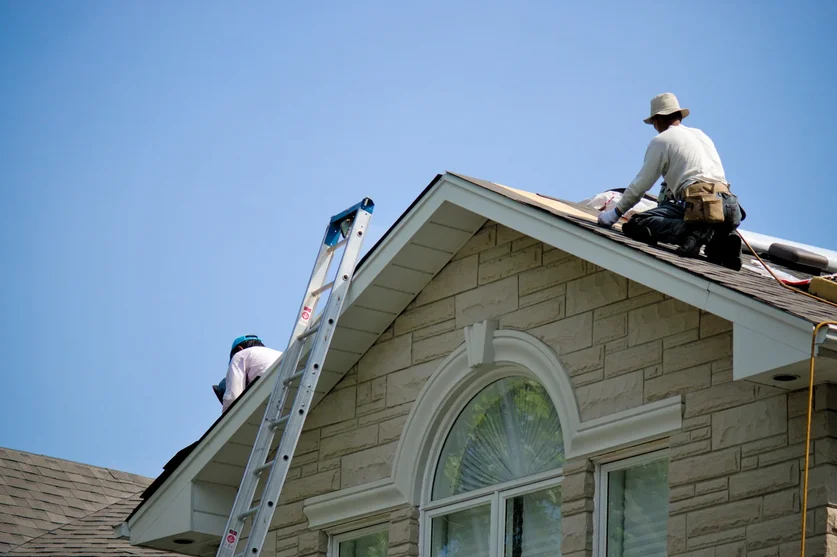
Regular inspection of your rake system should occur twice annually, preferably in spring and fall when weather conditions allow safe roof access. Look for signs of loose or missing trim, gaps in caulking or flashing, and evidence of water staining on nearby siding or soffit materials.
Professional inspections provide more comprehensive assessment, including checking fastener integrity, measuring moisture content in wood components, and evaluating the condition of underlying structural elements. Pickle Roofing Solutions recommends professional rake inspections every three to five years, or immediately following severe weather events.
Maintenance tasks that homeowners can safely perform include:
- Cleaning debris from rake areas and adjacent gutters
- Applying fresh caulk to small gaps in trim joints
- Touching up paint or stain on exposed wood components
- Checking for loose or damaged trim pieces
- Monitoring for signs of pest activity or nesting
More complex maintenance requires professional attention, including flashing repairs, structural component replacement, and integration with other roofing systems. Attempting these repairs without proper experience can create additional problems or void manufacturer warranties on roofing materials.
Material Options for Rake Construction
Wood remains the traditional choice for rake construction in Allen homes, offering versatility and cost-effectiveness for most applications. Cedar and pine provide different benefits, with cedar offering natural weather resistance while pine provides economical performance when properly treated and maintained.
Composite materials have gained popularity among homeowners seeking low-maintenance alternatives to traditional wood rake systems. These engineered products resist moisture, insects, and UV degradation while maintaining the appearance of natural wood. Installation costs typically run 20-30% higher than wood, but reduced maintenance requirements often justify the initial investment.
Aluminum and steel rake components provide maximum durability in severe weather conditions, with properly installed metal systems lasting 25-30 years with minimal maintenance. These materials work particularly well when coordinated with metal roofing systems that share similar thermal expansion characteristics.
Fiber cement products offer another durable option, combining the workability of wood with enhanced weather resistance. These materials perform well in Texas heat and humidity while resisting fire, insects, and impact damage from hail storms common in the Allen area.
Energy Efficiency and Rake Design
Proper rake design contributes significantly to your home's overall energy efficiency, particularly regarding air sealing and thermal performance. Gaps or poorly fitted rake components can create thermal bridges that increase heating and cooling costs while reducing interior comfort levels.
- Insulation continuity along rake areas requires careful attention during construction and renovation projects.
- Standard batt insulation often leaves gaps near rake areas where roof angles create irregular spaces.
- Spray foam insulation provides superior performance in these applications, creating continuous thermal barriers that eliminate air leakage.
- Ventilation integration with rake design helps maintain proper attic temperatures and moisture levels throughout the year.
- Ridge vents, soffit vents, and rake vents work together as a complete system, with each component playing a specific role in air circulation patterns.
- Cool roof technologies can be incorporated into rake design through reflective materials and coatings that reduce heat absorption during peak summer months.
These strategies become particularly valuable in Texas climates where cooling costs represent a significant portion of annual energy expenses.
Frequently Asked Questions
What is the difference between a rake and an eave on my roof?
The rake is the sloped edge of your roof that runs from the bottom to the top along the gable end, while the eave is the horizontal edge where your roof meets the gutters. Rakes are more exposed to wind-driven rain since they don't have gutters for water collection, making proper sealing and flashing more critical for preventing water damage.
How do I know if my roof rake needs repair or replacement?
Look for visible signs such as loose or missing trim pieces, gaps in caulking, water stains on nearby siding, or peeling paint on rake boards. Interior signs include water stains on walls or ceilings near gable ends, musty odors in upper levels, or evidence of pest intrusion. Professional inspection can identify structural issues that aren't visible from the ground.
Can I repair rake damage myself, or should I hire a professional?
Simple maintenance tasks like caulking small gaps, cleaning debris, or touching up paint can be DIY projects for comfortable homeowners. However, structural repairs, flashing replacement, or work requiring roof access should be handled by professionals to ensure safety and proper installation that maintains your roof warranty.
What materials work best for rake construction in Texas weather?
Cedar and composite materials offer the best balance of durability and cost-effectiveness for most Allen homes. Cedar provides natural weather resistance, while composites resist moisture and insects with minimal maintenance. Metal components work well with metal roofing systems but require professional installation to prevent thermal expansion issues.
How often should I have my roof rake inspected?
Professional inspections every three to five years provide adequate monitoring for most homes, with additional inspections recommended after severe weather events. Homeowners should perform visual inspections twice annually, checking for obvious damage or wear that might require professional attention before problems escalate.
Protect Your Investment Through Proper Rake Maintenance Today!
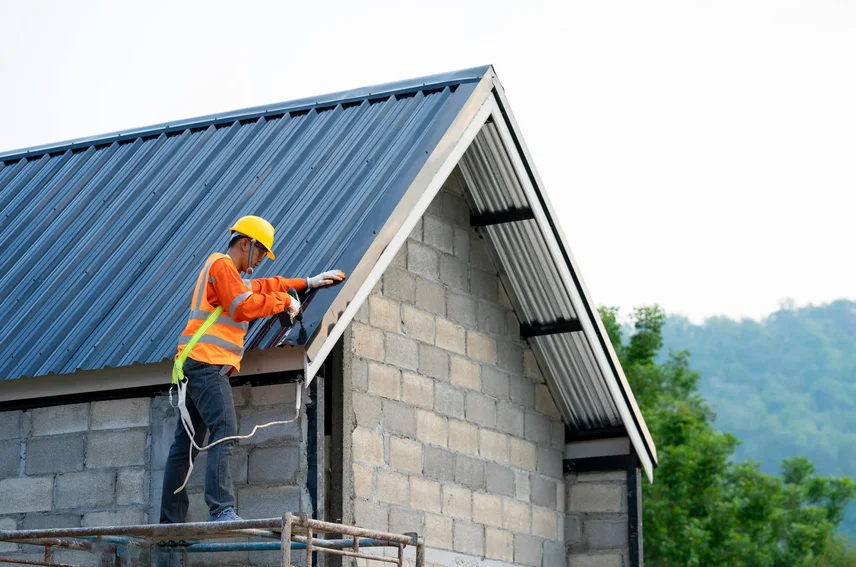
Understanding your roof's rake system empowers you to make informed decisions about maintenance, repairs, and improvements that protect your Allen home. From material selection to maintenance scheduling, each aspect of rake care contributes to your roof's overall performance and longevity.
Regular attention to these critical components prevents minor issues from developing into costly repairs while maintaining your home's energy efficiency and weather protection. Professional guidance ensures that rake work integrates properly with your complete roofing system, preserving manufacturer warranties while delivering the performance your Texas home requires.
About Pickle Roofing Solutions
Pickle Roofing Solutions specializes in comprehensive roofing services with over a decade of experience serving Allen, Texas homeowners. We provide complete roof installation, repair, and maintenance services including rake system construction, GAF roofing materials, and metal roofing solutions. Our team of certified roofing professionals combines technical expertise with deep knowledge of Texas weather challenges to deliver lasting protection for your home.
We pride ourselves on using premium materials, detailed craftsmanship, and comprehensive warranties that give homeowners confidence in their roofing investment. From minor rake repairs to complete roof replacements, we've helped over 2,000 Allen-area families achieve superior roof performance and energy efficiency.
Contact Pickle Roofing Solutions today at (972) 954-7186 to discuss how our roofing expertise can help you maintain and improve your home's rake system and overall roof performance. Schedule a consultation to learn more about our comprehensive roofing services and how we've helped clients achieve lasting protection against Texas weather challenges.