
Skylights are one of the more popular additions Allen homeowners consider when upgrading their roofing system. A well-placed skylight can transform an interior room, reduce the need for artificial lighting during the day, and add real value to a home. But skylights also introduce additional complexity to a roof, and the installation and long-term performance depend heavily on the quality of both the product and the workmanship.
If you are thinking about adding a skylight to your Allen home, here is what you need to know before you commit.
What Is a Skylight
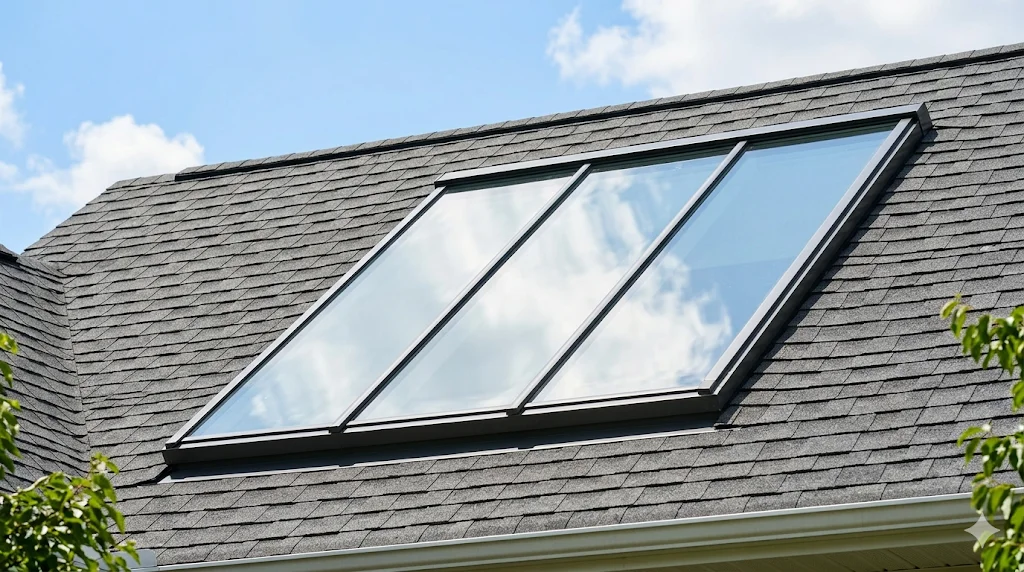
A skylight is a window installed into the roof surface to allow natural light, and sometimes ventilation, to enter the space below. Skylights are typically installed flush with the roof plane and sealed around the opening to prevent water intrusion. They come in a wide range of sizes, styles, and materials, from small fixed panes to large operable units with remote controls.
Skylights are distinct from roof windows, which are designed to be accessed and can be installed at a lower pitch. In general conversation, the two terms are often used interchangeably, but there are technical differences that matter when specifying a product for installation.
Types of Skylights
Fixed Skylights
Fixed skylights do not open and are designed purely for light transmission. They are the most common type and the most cost-effective option. Fixed skylights work well in rooms where ventilation is not a priority, such as hallways, stairwells, and living rooms where you want natural light without the complexity of an operable unit.
Venting Skylights
Venting skylights open to allow air circulation, which can be valuable in kitchens, bathrooms, and other areas where moisture and heat tend to accumulate. They can be opened manually with a hand crank or pole, or they can be motorized with a remote or smart home integration. Many venting skylights also include rain sensors that automatically close the unit when precipitation is detected.
Tubular Skylights
Tubular skylights, also called sun tunnels or light tubes, are smaller units that capture sunlight at the roof surface and channel it down a reflective tube into the interior. They are a practical option for rooms where a standard skylight cannot be installed due to space constraints or roof structure, such as closets, pantries, and interior hallways.
Curb-Mounted vs. Deck-Mounted Skylights
Skylights are installed in one of two ways. Curb-mounted skylights sit on a raised frame (called a curb) that is built up from the roof surface. This is the standard approach for low-slope roofs. Deck-mounted skylights sit flush with the roof deck with a built-in flashing kit and are typically used on steeper pitches. The correct installation method depends on your roof's pitch and the specific product being used.
Benefits of Skylights for Allen Homes
Natural Light
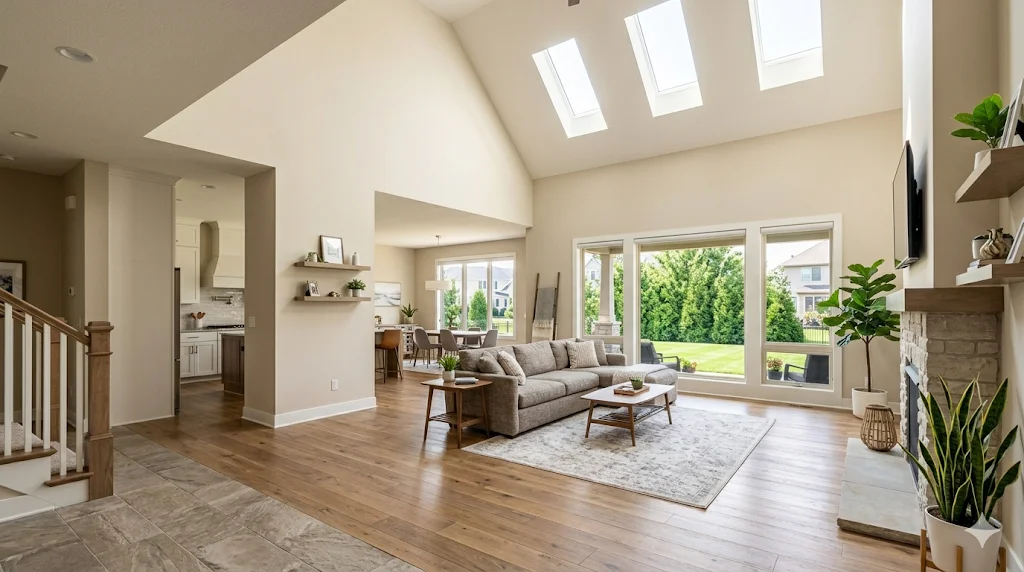
The primary appeal of skylights is the quality of light they provide. Daylight entering from above tends to be more diffuse and consistent than light from side windows, and it can make a room feel significantly more open and inviting. For rooms on the north or interior side of a home where wall windows are limited, a skylight can be transformative.
Reduced Lighting Costs
During daylight hours, rooms with skylights typically require less artificial lighting. Over the course of a year, this can add up to a meaningful reduction in electricity usage, particularly in rooms that are used frequently throughout the day.
Ventilation and Air Quality
Venting skylights create a natural convection effect when opened, drawing warm air up and out of the living space. In Allen's climate, where summer heat can be relentless, this passive ventilation can take some load off your HVAC system and improve indoor air quality, particularly in kitchens and bathrooms.
Home Value
Skylights are generally seen as a desirable feature by home buyers, particularly in well-executed installations with quality products. A skylight that is properly flashed, well-insulated, and in good working condition adds appeal to a home. A poorly installed or leaking skylight, on the other hand, can be a significant negative during a home inspection.
Roofing Considerations for Skylight Installation
Installing a skylight is not simply a matter of cutting a hole in the roof. There are several roofing-specific considerations that affect both the installation process and the long-term performance of the unit.
Roof Pitch and Structure
Skylights are manufactured for specific pitch ranges. Installing a deck-mounted skylight on a roof that is too flat, or a curb-mounted unit on a steep pitch without proper framing, can create drainage and leakage problems. Your roofer should verify that the selected skylight is appropriate for your roof's slope.
The structural framing also matters. Cutting into the roof deck requires modifying or adding headers between rafters, and the size and location of the opening need to account for the framing layout. A structural inspection of the attic space before installation is standard practice.
Flashing
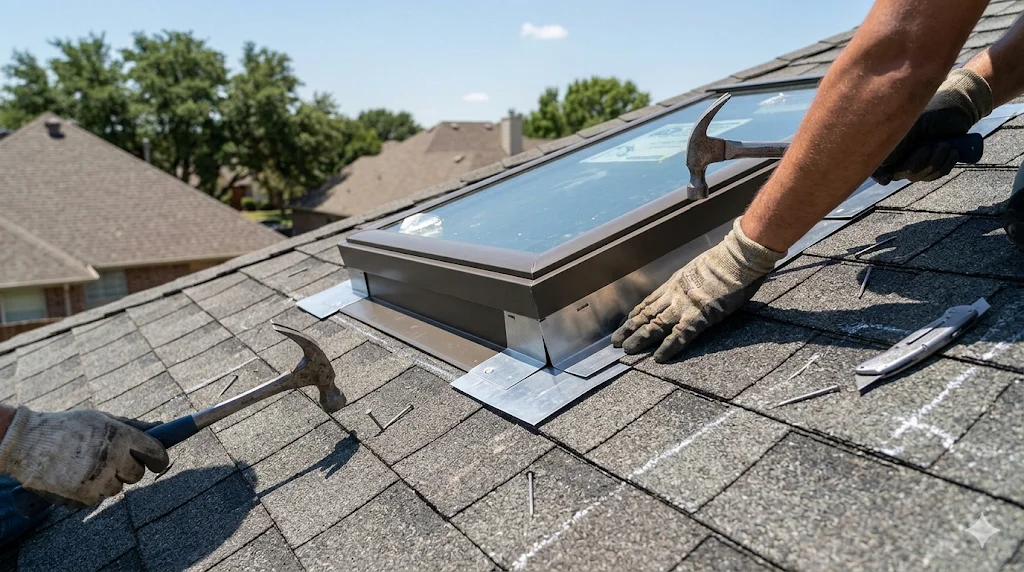
Flashing is the most critical roofing component in any skylight installation. The flashing system creates a watertight seal between the skylight frame and the surrounding shingles. Most reputable skylight manufacturers, including VELUX, supply integrated flashing kits designed specifically for their products.
Improper flashing is the leading cause of skylight leaks. A skylight that leaks is not just a nuisance, it can lead to roof deck damage, insulation problems, and interior water damage over time. For this reason, skylight installation should only be handled by experienced roofers who are familiar with the specific flashing requirements of the product being installed.
Energy Performance
In Allen's climate, solar heat gain is a significant concern. A skylight with a high solar heat gain coefficient (SHGC) will allow more heat to enter the home, potentially increasing cooling costs during the summer months. Look for skylights with a low SHGC rating and a low U-factor for better thermal performance.
South-facing and west-facing skylights receive the most direct sun and will have a greater impact on interior temperatures. Positioning matters, and your roofer can help you evaluate options based on your home's orientation.
Timing With Roofing Work
If your roof is due for replacement in the near future, it is often worth coordinating the skylight installation with that project. Installing a skylight on an older roof means the flashing and surrounding shingles will need to be disturbed again when the roof is eventually replaced, which adds cost and creates an additional opportunity for installation issues.
Common Skylight Problems to Watch For
Understanding the most common skylight issues helps you evaluate the condition of an existing skylight and catch problems early.
- Leaking around the frame, usually from failed or improperly installed flashing
- Condensation on the interior glass, indicating a failed seal in double-pane units
- Cracked or discolored glazing from UV exposure or impact
- Failed gaskets on venting units that allow water intrusion when closed
- Operational problems with motorized units, often from weather seals or hardware wear
Talk to a Roofing Professional Before You Commit
Adding a skylight is an investment that pays off most when the installation is done correctly and the product is matched to your home's specific conditions. A roofing contractor who has experience with skylight installation can help you evaluate placement, product selection, and timing relative to your roof's age and condition.
Call Pickle Roofing Solutions at (972) 954-7186 to discuss your skylight project. We serve Allen and the surrounding Collin County area and can help you make a well-informed decision before any cutting begins.
Frequently Asked Questions
How much does skylight installation cost in Allen, TX
Skylight installation costs vary depending on the type of skylight, the size, and the complexity of the framing and flashing work involved. Costs depend on your specific roof structure, the product selected, and current labor rates. Contact a licensed roofer for an on-site estimate.
How long do skylights last
A quality skylight from a reputable manufacturer, properly installed with integrated flashing, can last 20 to 30 years or more. The glazing and seals tend to be the first components to degrade, and many manufacturers offer replacement parts. Longevity is closely tied to installation quality and periodic maintenance.
Do skylights make a house hotter in Texas
They can, particularly if south- or west-facing and not rated for low solar heat gain. However, modern energy-efficient skylights with low SHGC ratings and low-e coatings significantly reduce heat transfer. Venting skylights that open can also help exhaust hot air from the space below when used strategically.
Can a skylight be installed on any roof
Most residential roof types can accommodate a skylight with the right product and installation approach. Roof pitch, rafter spacing, and the presence of obstructions like HVAC equipment or chimneys can affect placement options. An inspection of your attic and roof structure is the first step in determining what is feasible for your home.
Will installing a skylight void my roof warranty
It depends on the manufacturer and how the installation is performed. Some roofing material warranties specify requirements for accessory installations, including skylights. Your roofing contractor should be familiar with your current roof warranty terms and can advise on how to protect that coverage during installation.
About Pickle Roofing Solutions
Pickle Roofing Solutions is a licensed roofing contractor in Allen, TX with extensive experience handling skylight installation, flashing repairs, and full roof replacements. We serve Allen, Plano, McKinney, Frisco, and surrounding Collin County communities. Call (972) 954-7186 to schedule your free consultation.