Allen roof decks can run substantially hotter than ambient summer air, so underlayment selection should account for the selected roofing system and local exposure conditions. We have been installing and replacing roofs across Allen since 2012, and as a GAF Master Elite certified contractor, we see firsthand how synthetic roof underlayment holds up against North Texas conditions where felt simply breaks down. If you're weighing your options before a replacement, this post will help you decide what's right for your home.
Get a free underlayment assessment before your next Allen roof replacement. Most homeowners never find out what's under their shingles until a leak forces the issue.
Key Takeaways
- Synthetic underlayment can offer performance advantages over felt, depending on the selected product and roofing system.
- Heat and UV exposure can affect underlayment performance, so product selection should match the selected roofing system and local conditions.
- Synthetic is not always the right call, especially under certain metal roofing systems where vapor management matters.
- Most Allen homes built in the late 1990s through 2010s are good candidates for an underlayment upgrade during replacement.
- The cost difference between felt and synthetic is modest compared to the long-term protection gain in this part of North Texas.
A hailstorm rolls through Collin County, temperatures push a summer roof deck to punishing highs, and the wrong underlayment quietly fails beneath your shingles before you ever notice a leak. We have seen this play out in Twin Creeks, Montgomery Farm, and Ridgeview Ranch more times than we can count. That small material decision under your shingles can turn into an expensive repair fast.
We are Pickle Roofing Solutions, a GAF Master Elite certified contractor working across Allen and the surrounding area since 2012. Our team focuses on getting the details right, including the details nobody sees once the shingles go down. Roofing underlayment in Allen, TX, is one of those details that matters more here than in most parts of the country.
This article covers what synthetic roof underlayment actually is, how it compares to traditional felt, when it makes sense for your home, and when it does not. If you are planning a roof replacement in Allen or just want to know what your roofer should be putting under your shingles, this is worth reading before you sign anything.
What Is Synthetic Roof Underlayment and What Is It Made Of?
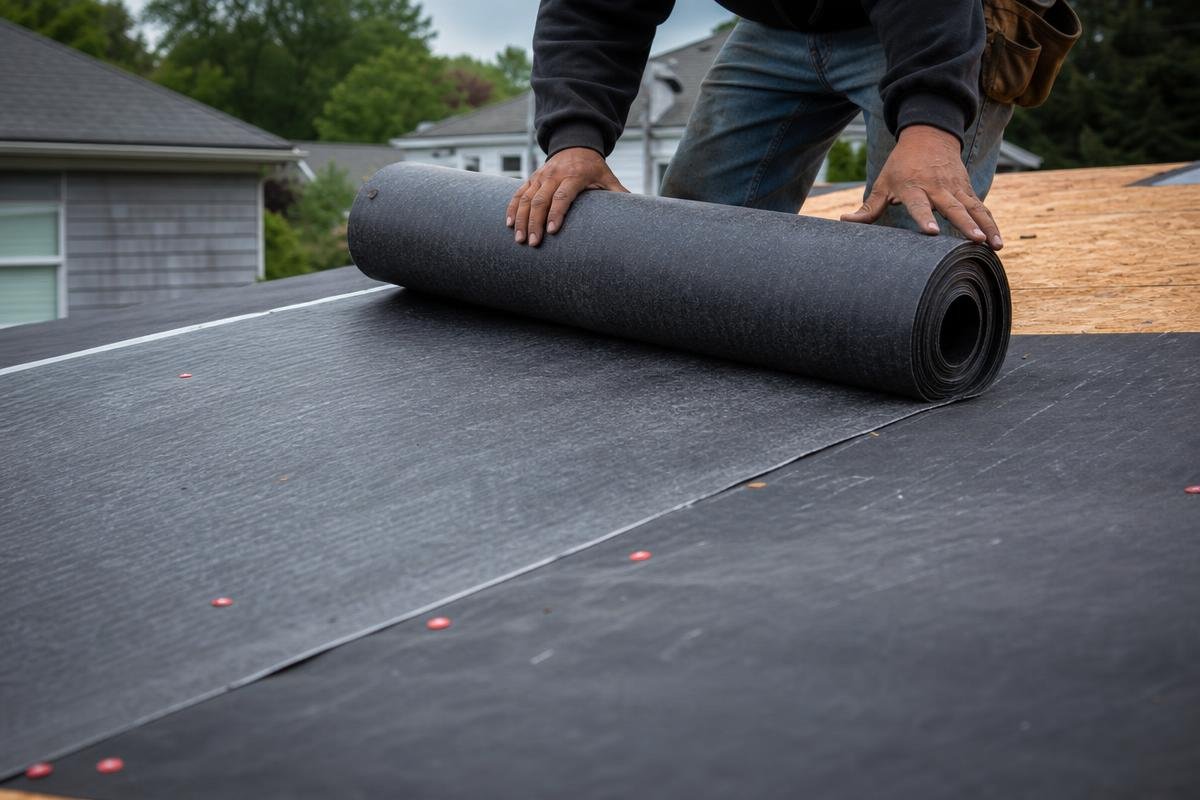
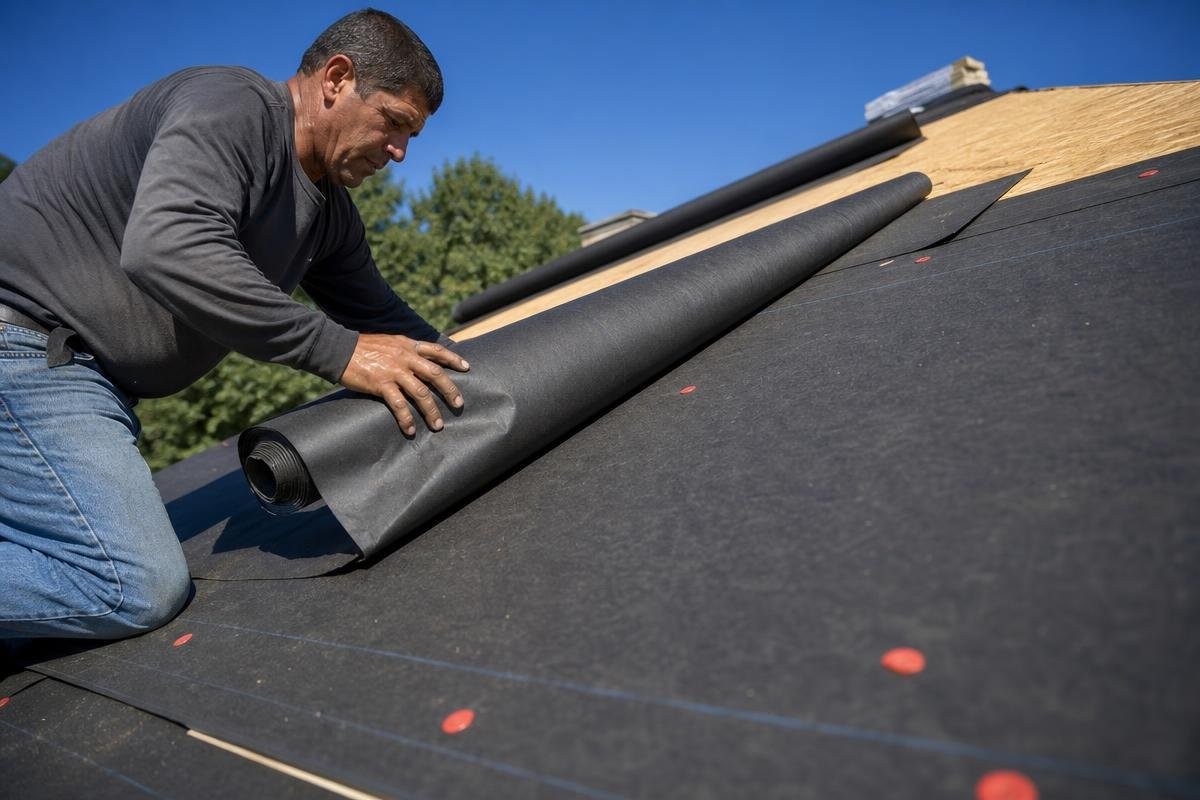
Synthetic roof underlayment is a water-resistant barrier that gets installed directly on your roof deck, underneath whatever finish material goes on top, whether that is shingles, tile, or metal. Think of it as your roof’s last line of defense if the outer layer is ever compromised by hail, wind, or a blown shingle. It is a required component of any solid roof installation in Allen, not an optional upgrade.
How Synthetic Underlayment Differs from Traditional Felt
Traditional felt, usually labeled #15 felt, is made from organic cellulose or fiberglass mat soaked in asphalt. It has been around for decades and it works, but it was adapted to roofing rather than engineered for it. Felt absorbs moisture, tears easily when wet, and degrades faster under heat. On an Allen roof deck baking through a long North Texas summer, that matters.
Synthetic underlayment does not absorb water. It does not rot. It holds together when wet. That is a meaningful difference on a job site, and an even bigger one once it is under your shingles for the next 20 years.
The Materials Behind High-Performance Synthetic Products
Most high-performance synthetic underlayments are made from woven or non-woven polypropylene or polyethylene. These are the same polymer families used in heavy-duty industrial wrapping. Polypropylene does not break down from moisture, and quality products resist mold growth, which is a practical benefit during our humid summers, not just a marketing claim.
As a Master Elite certified contractor, we work with underlayment products that meet applicable manufacturer specifications and code requirements for the selected roofing system. Ask any roofer you talk to whether their underlayment meets them.
In short, synthetic underlayment is engineered specifically for the job. Felt was adapted to it.
Is Synthetic Underlayment Worth the Extra Cost Over Felt?
For most Allen roofs, yes, the upgrade to synthetic is worth it. Synthetic underlayment is genuinely stronger than traditional #15 felt, and the specs back that up. Let's dive into what the differences actually mean for your roof.
Durability and Tear Resistance
Felt tears. That is the honest answer. On steep-pitch rooflines like those common in Bethany Ridge and the Exchange Park area, crews walk the deck during installation. Felt punctures and rips under foot traffic. Synthetic holds up because it is woven polypropylene, not compressed organic fibers.
UV exposure limits vary by product. Confirm the manufacturer-approved exposure window before installation begins. If a storm delays your job mid-installation, that gap matters a lot. For shingle roofing in Allen, synthetic gives you a much safer buffer when weather pushes your timeline.
Water Resistance and Mold Protection
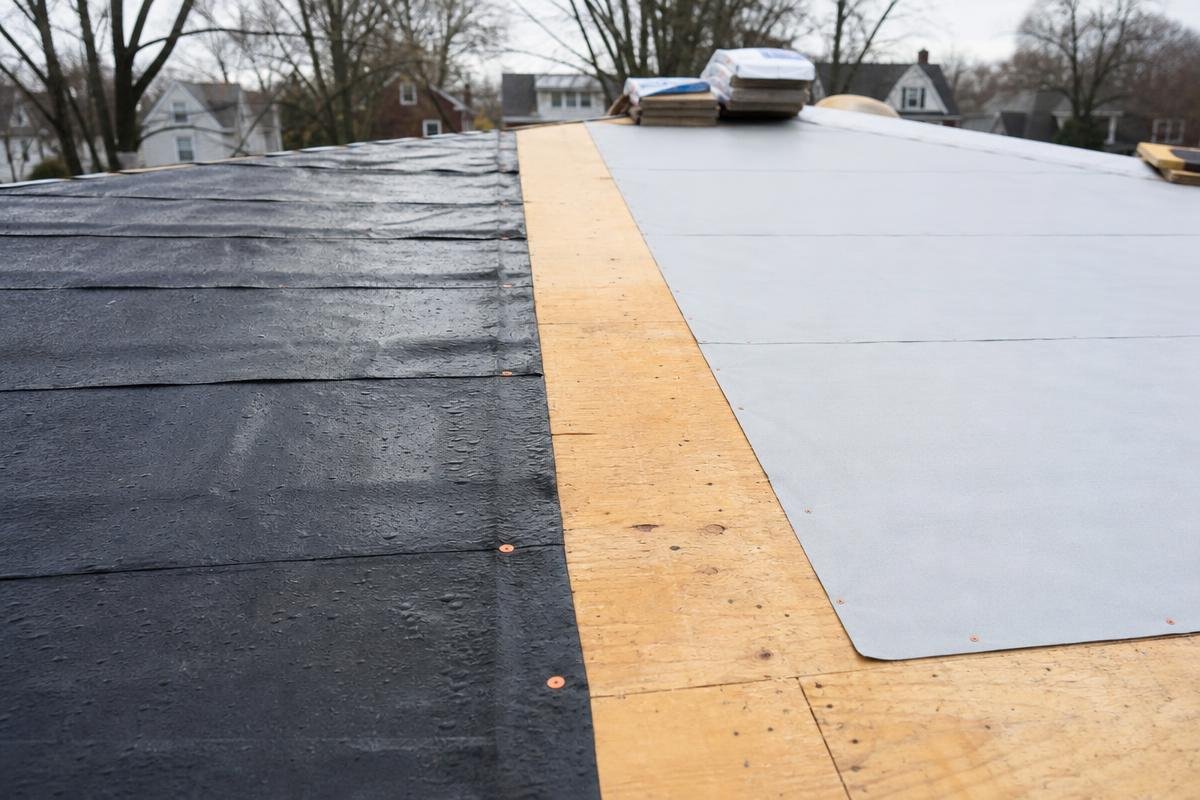
Felt absorbs water. When a North Texas afternoon storm rolls through mid-job, felt swells, wrinkles, and traps moisture against your roof deck. That trapped moisture is where mold starts.
Synthetic repels water because it contains no organic material. There is nothing for mold to feed on. That is not a small advantage here. Spring and summer storms can interrupt roofing work, so exposure time matters during installation. Your underlayment needs to handle that exposure without failing.
Weight, Installation Speed, and Slip Resistance
Some synthetic products may be lighter than felt, which can improve handling during installation. Product specifications and installation conditions vary.
Wet felt is dangerously slippery. Most synthetic products have a textured, embossed surface that holds footing even in damp conditions. That is a real safety difference, not a spec-sheet footnote. When you weigh the numbers, synthetic underlayment costs more upfront, but it earns that difference in durability and protection.
How Long Does Synthetic Underlayment Last in Texas Heat?
Quality synthetic underlayment is designed for long-term performance, but its service life depends on the product, roof system, installation, and exposure conditions. Felt can degrade faster when exposed to heat and UV. Here is why the climate here is hard on the wrong material.
Heat, UV Exposure, and Roof Deck Temperatures in North Texas
North Texas heat is not an exaggeration. Allen summer highs average in the mid-90s from June through August, and a dark roof deck in direct sun runs far hotter than the air. Felt underlayment softens and loses integrity at sustained temperatures like that. Polypropylene-based synthetics are engineered to hold up without degrading.
There is also the UV exposure window to think about. Between deck installation and shingle installation, the underlayment sits exposed to the sun. Extended UV exposure can affect underlayment performance. Follow the manufacturer’s exposure limits for the selected product. That gap matters more than most homeowners realize, especially on larger roof installation projects in Allen where staging takes time.
Hail Season and Storm Exposure in Collin County
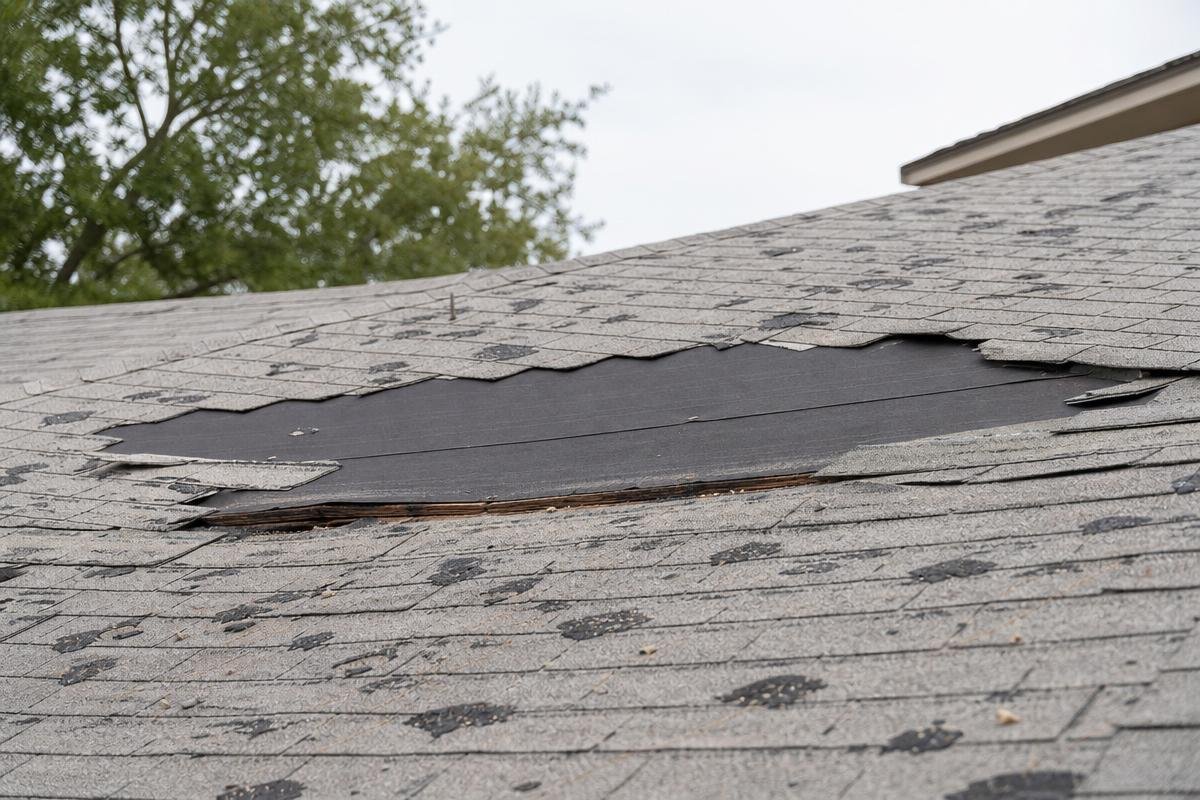
Allen roofs can be exposed to hail and severe weather, so underlayment selection should account for storm exposure. That is not a marketing line. It is why the best roof underlayment for Texas heat also needs to perform under storm conditions. When hail dislodges or damages shingles, the underlayment becomes the only barrier between the storm and your roof deck.
We have seen this pattern repeatedly in neighborhoods like Twin Creeks and Star Creek after spring hail events. A felt underlayment that has absorbed moisture or cracked from UV exposure offers almost nothing at that point. A high-performance synthetic in good condition can provide added resistance to water intrusion while you arrange emergency roofing in Allen. The difference between a ceiling stain and a full interior water loss often comes down to what is under those shingles.
When Synthetic Underlayment Is the Right Call, and When It Is Not
Synthetic underlayment is not the right answer for every single job. But for most roofs in North Texas, it is the stronger choice by a clear margin. Let's dive into where it shines, where felt can still hold its own, and where you need to be careful.
Roofing Types That Pair Best with Synthetic Underlayment
Asphalt shingles, slate, and tile roofing in Allen all benefit from synthetic underlayment. Tile and slate installations take longer to complete, which means the underlayment sits exposed to UV for days or even weeks. Synthetic handles that exposure without breaking down. Felt does not. Clay barrel roofing in Allen is another strong match. The weight and installation timeline for clay barrel systems make a durable, tear-resistant underlayment a practical necessity, not an upgrade.
Situations Where Felt May Still Be Acceptable
Felt is not a bad product. It has been used on millions of roofs for decades. If you are patching a small section, the weather window is stable, and the budget is genuinely tight, felt can get the job done. We are honest with homeowners about that. That said, felt is outperformed by synthetic in almost every measurable category. For a full roof replacement in Allen, we would not recommend it as your first choice.
When You Should Not Use Standard Synthetic Underlayment
This is where the synthetic versus felt conversation gets more specific, because there are real situations where a standard non-permeable synthetic is the wrong choice. The clearest example is a standing seam metal roof. Non-breathable synthetics trap moisture between the product and the metal panel. In North Texas, where summer days are hot and humid but winter nights can drop below freezing, that trapped moisture condenses on the back of the panel and drives corrosion over time.
The same caution applies to certain tile systems installed over solid decking with limited airflow, and to any assembly where the attic is poorly ventilated and interior moisture has nowhere to escape.
The fix is straightforward. For metal roofing, the underlayment and ventilation design should follow the panel manufacturer's requirements and the roof assembly. On low-slope sections below the shingle manufacturer's minimum pitch, you also step up to a self-adhered membrane rather than a mechanically fastened synthetic. Getting that spec right matters. The wrong underlayment for your roofing system can cost you thousands. Getting the spec right from the start is the job.
Not sure which underlayment is right for your roof? Request a spec review and call us at (972) 954-7186 We will walk you through the options before you commit to anything.
What Does Synthetic Underlayment Cost for an Allen Home?
Material and Labor Cost Breakdown
Synthetic underlayment materials run modestly more than standard #15 felt. Labor is comparable between the two, and synthetic actually installs faster in many cases, which can partially offset that premium.
The speed advantage matters on steeper pitches common in older Allen subdivisions we work in regularly. Lighter rolls and better grip mean crews move faster and safer, which keeps labor hours from climbing.
How Underlayment Affects Your Total Roof Replacement Cost
A full roof replacement cost varies depending on roof size, pitch, material choice, and deck condition. Underlayment is a small line item in that total, but it is a consequential one. Spending a modest amount more on underlayment during a full roof replacement is one of the highest-return decisions you can make. That layer sits between your deck and your shingles for the next 20 to 30 years. Skimping on it to shave costs on a single line item rarely makes sense when you look at the full picture.
If budget is a concern, we have financing options that make upgrading your full system more manageable without cutting corners on materials that protect everything else.
What to Ask Your Roofer About Underlayment Before You Sign
Post-storm contractor traffic across Allen and nearby McKinney-area subdivisions brings a lot of fast talkers who skip the details. Underlayment is one of the first places corners get cut, and most homeowners never think to ask about it. These questions will protect you.
Five Questions Every Allen Homeowner Should Ask
- What brand and product of underlayment are you specifying, and what is its ASTM rating? A legitimate roofer names the product without hesitation. Vague answers like “standard synthetic” are a problem.
- Is this underlayment rated for the roofing material being installed? High-performance roofing underlayment for tile roofing in Allen has different requirements than shingle applications. They are not interchangeable.
- What is the UV exposure window, and does your timeline fit within it? Most synthetic roof underlayment products are rated for 90 to 180 days of exposure. Delays matter.
- Is this underlayment vapor-permeable, and does that matter for my roofing system? It absolutely matters under metal roofing in Allen, where trapped moisture causes real damage.
- Does this underlayment meet the requirements of my manufacturer’s warranty? Check our warranty details to understand how qualifying underlayment protects your coverage.
Red Flags That Tell You the Roofer Is Cutting Corners
Three things should stop you cold. First, a roofer who cannot name the underlayment product they plan to install. Second, a roofer who defaults to #15 felt on a tile or slate job with no explanation. Third, a roofer who never mentions underlayment during the estimate at all. That last one is the most common. You deserve a straight answer on every line item. If you are not getting one, call us.
How We Handle Underlayment on Every Allen Job
We have been replacing and repairing roofs in this part of DFW since 2012, and underlayment spec is something we take seriously on every job, not just the big replacements. Whether we are working on a steep-pitch home in Bethany Ridge or a moderate-pitch roof in the Watters Crossing area, we evaluate underlayment as part of the full system, not an afterthought. Our office is at 1333 W McDermott Dr Ste 200, Allen, TX 75013, and we are genuinely local, not a franchise that dispatched a crew from two counties over.
As a Master Elite certified contractor, we evaluate underlayment requirements as part of the roofing system and explain the product being specified for each project. Ask any roofer to identify the underlayment and explain how it fits the selected roofing material and warranty option. Allen's hail exposure and summer heat make underlayment selection more consequential here than in many other markets.
We focus on long-term solutions rather than quick fixes. Executive Vice President McDowell Pickle is available to answer customer questions throughout the process.
If you want a second set of eyes on your current roof before making any decisions, schedule a roof inspection in Allen and we will tell you exactly what we see, including what is underneath.
Frequently Asked Questions
Is synthetic underlayment required by code in Allen, TX?
Local building-code requirements and the selected roofing system determine the underlayment requirements that apply to your roof. Synthetic underlayment is not universally required, and warranty eligibility depends on the selected manufacturer system and written warranty terms.
How long does synthetic roof underlayment last?
High-performance synthetic is designed to perform as part of a complete roofing system. Felt degrades much faster under the UV exposure and temperature swings common in North Texas. Underlayment is replaced during a full roof replacement, not as a standalone repair.
Can synthetic underlayment be installed under metal roofing?
Yes, but product selection matters. Underlayment selection for standing-seam metal roofing depends on the panel manufacturer requirements, temperature rating, ventilation, and condensation design. Use an underlayment approved by the panel manufacturer for the specific metal-roof assembly, and make sure attic insulation and ventilation are designed for the system. We address underlayment requirements on every metal roofing job we perform in Allen.
Does upgrading to synthetic underlayment affect my roofing warranty?
It typically improves your coverage. Using a non-qualifying product may affect eligibility for GAF enhanced warranty coverage. Always confirm the underlayment is on the manufacturer's approved product list before signing anything.
How much more does synthetic underlayment cost compared to felt?
Synthetic underlayment carries a modest premium over standard felt, and the exact difference depends on roof size and product selection. We itemize this clearly in every quote before work begins so you know exactly what you are paying for.
What happens if my underlayment fails before the shingles do?
Water can penetrate the roof deck even when shingles look fine from the street. That leads to deck rot, mold growth, and interior water damage before you ever see a stain on the ceiling. Hail is the most common trigger for hidden underlayment damage in this area. If a storm has rolled through your neighborhood, book a roof inspection in Allen before the damage compounds.
Ready to know exactly what is going on under your shingles? Call us at (972) 954-7186 or book a free roof inspection online. We will give you a straight answer and a clear, itemized quote before any work begins.
Ready to Get Started with Pickle Roofing Solutions?
Call (972) 954-7186 to speak with our team directly. We're ready to answer your questions, walk you through your options, and help you find the right solution for your needs. Whether you're just starting to plan or ready to move forward, we'll make the process simple and stress-free. Reach out today and let's talk about how we can help.