Picking the wrong flat roof materials for an Allen home can lead to leaks, ponding water, and premature repairs or replacement. We have been installing and replacing flat roofs across Collin County since 2012, and we know firsthand how extreme summer surface temperatures punish the wrong membrane fast. This guide breaks down six real material options so you can make an informed decision before spending a dollar.
Pick the wrong flat roof material in North Texas heat and you are looking at a failed membrane, standing water, and repair bills that wipe out whatever you saved going cheap on the install. We have seen it dozens of times since 2012, and it almost always traces back to one decision made before the first fastener went in. Pickle Roofing Solutions is a GAF Master Elite certified contractor serving the Allen area. Our flat roofing services cover every material type we compare here.
Not sure which flat roof material fits your home? We can help you figure that out.
Key Takeaways
- Extreme summer roof-surface heat in North Texas makes UV and heat resistance the top priority when choosing flat roof materials.
- TPO, EPDM, PVC, modified bitumen, built-up roofing, and spray foam each carry different cost, lifespan, and performance trade-offs for North Texas conditions.
- Because hail is a recurring threat here, membrane puncture resistance should factor into every flat roof material decision.
- Flat roof additions can require careful material selection because drainage, flashing, and membrane details affect long-term performance.
This guide compares six flat roof materials: TPO, EPDM, PVC, modified bitumen, built-up roofing, and spray polyurethane foam. Each one gets evaluated against local heat, hail, and ponding risk. Let's dive in.
Why Flat Roof Material Choice Matters More in Allen Than Most Places
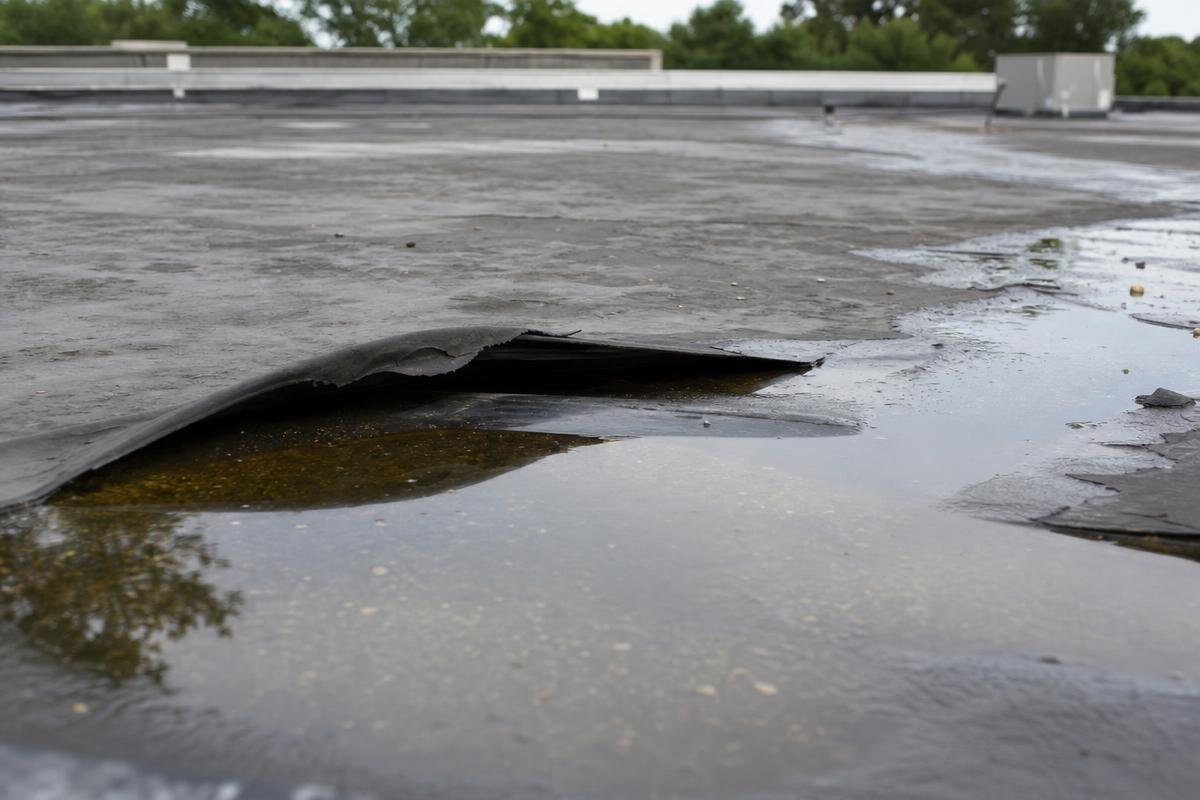
Most flat roofing guides are written for a generic climate. North Texas is not a generic climate. We have pulled failed membranes off homes in Watters Crossing and along the Reed Park area that looked fine from the street but were cracked, bubbled, and leaking at every seam. The wrong material does not just underperform here. It fails fast. To understand why the climate makes material selection so critical, start with the three problems every flat roof in this region has to survive.
Summer Heat and UV: Roof-Surface Temperatures Above 150°F
USDA hardiness zones measure winter low temperatures rather than summer heat. Dark flat-roof membranes can run substantially hotter than ambient air during North Texas summers. At those temperatures, adhesives soften, oxidation accelerates, and materials not rated for sustained thermal cycling start to crack within a few seasons.
Reflective membranes such as TPO and PVC can be worth considering where heat exposure is a priority. The right material depends on the selected system and site conditions. Heat resistance is the first filter when you evaluate flat roof materials for this region.
Hail Season and Flat Roof Material Selection
Hail is a recurring risk in the Allen area. Pitched roofs shed impact energy through slope. Flat roofs take the full hit straight down. That makes membrane puncture resistance a primary selection factor, not a secondary one.
Membrane thickness and cover-board requirements should be evaluated for the selected system, roof assembly, and hail exposure.
Ponding Water: Clay Soils, Low Spots, and the 48-Hour Rule
Flat roofs under a 2:12 pitch are already prone to standing water. Ponding depends on drainage design, actual slope, settlement, and site conditions. Keep in mind that settlement, framing conditions, and drainage design can create low spots where water sits.
Standing water that remains after normal drying conditions is a sign that drainage needs attention and can shorten the service life of some roof systems. Homes in Montgomery Farm and Ridgeview Ranch with 1990s and early 2000s patio additions are especially vulnerable. Clay-soil movement is slow and steady, and most homeowners do not notice the problem until they have an active leak.
The 6 Flat Roof Materials: A Side-By-Side Comparison
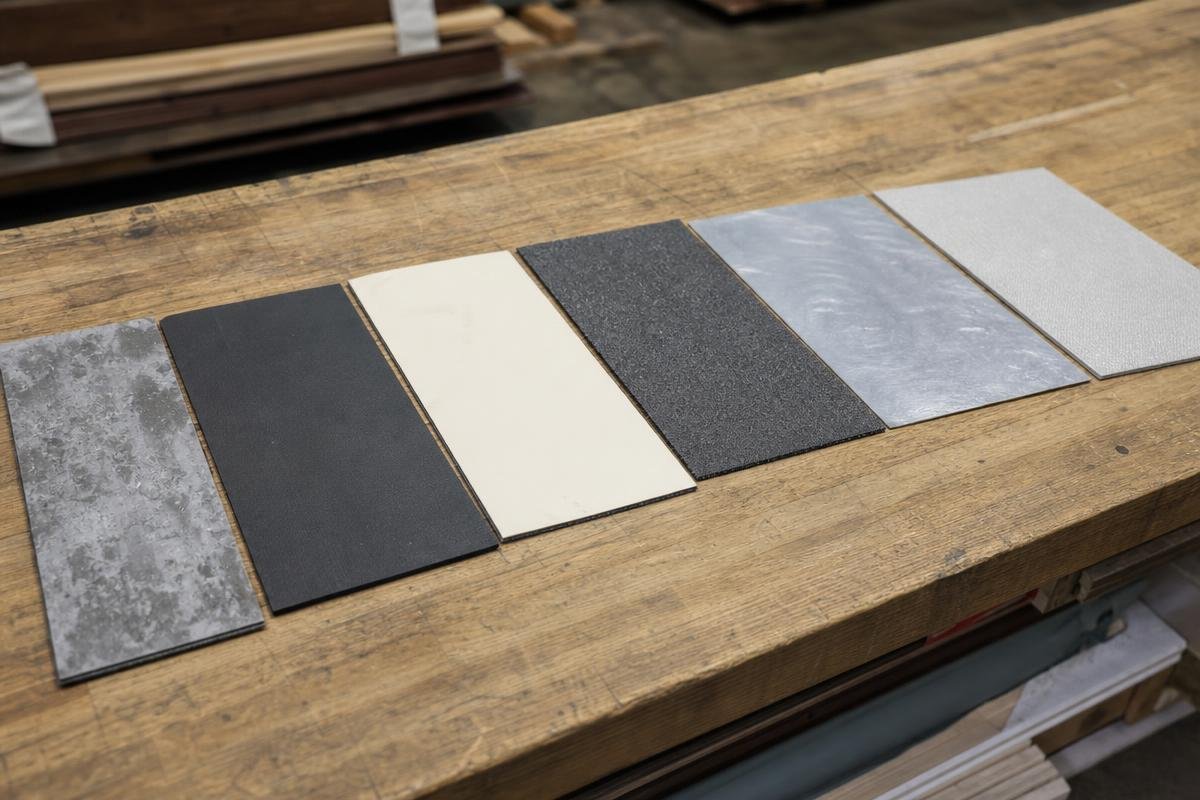
Not every flat roof material is built for North Texas summers. Picking the wrong one for a patio addition or a low-slope garage section can mean premature failures, ponding water, and repair bills that add up fast. Here is what you need to know about each option before you commit.
TPO: Reflective Single-Ply for Hot Climates
TPO is a white or light-colored single-ply membrane with heat-welded seams. That reflective surface is a real advantage when high surface temps build on dark membranes during a Plano or McKinney summer. Installation cost varies by project scope and roof size, with a lifespan of 15 to 25 years under North Texas conditions. The biggest weakness: TPO punctures more easily than thicker membranes, so a cover board is worth the extra cost in hail-prone areas. If you want details on what we install and why, our Allen flat roofing page breaks it down.
EPDM: Rubber Membrane with Long-Term UV Resistance
EPDM is rubber roofing, plain and simple. It handles UV and ozone better than most materials, with a lifespan of 20 to 30 years. Installation cost varies depending on project size and roof conditions. The black version is the most common and the most affordable, but it absorbs heat aggressively. That is a significant drawback in the summer months here. White EPDM is available but costs more. Best use case: budget-conscious replacements where shade or roof color is not a concern.
PVC: Flexible Single-Ply for Chemical-Resistant Applications
PVC membranes include plasticizers that keep them flexible and resistant to chemicals. If you have HVAC condensate draining onto the roof or a kitchen exhaust near a flat section, PVC handles that exposure better than TPO or EPDM. Lifespan runs 20 to 30 years. Installation cost is on the higher end of single-ply membranes due to material complexity. The trade-off is that plasticizers can break down over time in extreme heat, which is something to factor in for south-facing roof sections in Frisco or McKinney where the sun load is relentless.
Modified Bitumen: Asphalt-Based Layered System
Modified bitumen roofing uses asphalt reinforced with APP or SBS polymer modifiers. It goes down as a torch-down application or with cold adhesive. Most roofers in this area know it well, which generally keeps labor costs reasonable. Lifespan is 15 to 20 years. Torch application near combustibles requires care. This is a solid mid-range choice for residential additions, but it is not the best performer in extreme heat compared to reflective single-ply options.
Built-Up Roofing (BUR): Multi-Layer Redundancy
Built-up roofing stacks multiple alternating layers of bitumen and reinforcing fabric, finished with a gravel surface. That layered system gives you real redundancy. If one layer develops a weak spot, the others hold. Lifespan is 20 to 30 years. Installation cost is comparable to modified bitumen, but the labor is intensive and the system is heavy. Confirm your structure can handle the load before specifying BUR on an older addition.
SPF: Spray Polyurethane Foam for Seamless Coverage
SPF is spray-applied foam that expands to cover the entire surface without seams. No seams means fewer leak entry points. It also adds roughly R-6 of insulation value per inch, which helps with energy costs year-round. Installation cost is generally competitive with other single-ply options. Lifespan is 20-plus years with recoating every 10 to 15 years. The coating and maintenance schedule should follow the manufacturer requirements for the selected SPF system. Check our warranty page to see how we back SPF and other flat roof installations.
Not sure which of these six materials fits your roof? Get a free assessment and we will match the membrane to your slope, sun exposure, and hail risk before you spend a dollar.
Which Flat Roof Material Is Best for Hot Texas Climates?
TPO with a cover board can be a suitable option for some Allen flat roofs. The best material depends on slope, drainage, substrate condition, sun exposure, hail exposure, and the selected system. North Texas throws three specific problems at flat roofs: brutal summer heat, hail, and ponding water from clay soil movement. The right material handles all three. The wrong one fails on at least one, and that failure shows up fast.
Best for Heat and UV Resistance
TPO and PVC are the clear winners here. Both have white reflective surfaces that bounce heat away instead of absorbing it. Dark asphalt membranes like modified bitumen and BUR can run extremely hot on a summer afternoon, which accelerates oxidation and shortens lifespan. TPO's heat-welded seams also handle the constant thermal expansion and contraction that comes with triple-digit summers far better than adhesive-bonded systems.
If energy efficiency is a priority, ask the contractor to compare membrane color, reflectivity, insulation, and seam details for the selected system.
Best for Hail Impact Resistance
BUR and modified bitumen are strong options in this category. Multiple layers absorb impact energy that a single-ply membrane simply cannot match. We have seen TPO and EPDM hold up well too, but only when a rigid cover board is installed underneath. SPF and other membrane systems should be evaluated for the property’s hail exposure, drainage, and maintenance requirements. Ask the contractor to explain the recommended protective details.
Best for Ponding Water Resistance
PVC and TPO lead again. Heat-welded seams create a nearly continuous membrane with no weak points for water to find. EPDM is decent, but adhesive seams can soften and separate over time when submerged. Modified bitumen and BUR both struggle when drainage is inadequate, which is common on patio additions where clay soil has shifted the roofline.
Bottom line: TPO with a cover board can be a strong option for patio additions and low-slope garage roofs. The best material depends on slope, drainage, substrate condition, sun exposure, hail exposure, and the selected system.
Flat Roof Material Cost Breakdown: What Allen Homeowners Actually Pay
A flat roof replacement on a typical home addition or garage in the 75002 and 75013 zip codes varies depending on size, material, and what we find when we pull the old membrane. Older flat-section additions in established neighborhoods often need decking inspection or partial replacement, which pushes costs toward the higher end fast. That is before you factor in material choice.
Cost Per Square Foot by Material
Installed costs vary by material, roof size, substrate condition, drainage needs, cover-board requirements, and access.
- Modified bitumen: costs vary by roof condition and installation scope
- BUR (built-up roof): costs vary by roof condition and installation scope
- EPDM (rubber roofing): costs vary by roof condition and installation scope
- SPF (spray polyurethane foam): costs vary by roof condition and installation scope
- TPO: costs vary by roof condition and installation scope
- PVC: costs vary by roof condition and installation scope
A patio cover installation cost depends on size, substrate condition, drainage needs, and whether a cover board is included. Material cost is only part of the written estimate.
Lifespan-Adjusted Cost: The 20-Year Math
Cheapest upfront is not always cheapest over time. Consider a mid-sized flat roof with a 15-year material versus one rated for 25 years. The cheaper material may require a full replacement within a 20-year window, effectively doubling your total spend. The higher-durability option, installed correctly, may require no replacement at all in that same period. That is the math worth running before you approve a quote based on upfront cost alone.
The wrong material choice can cost you thousands over time. A strong manufacturer warranty also affects long-term value significantly. A membrane backed by proper warranty coverage protects you if something fails early. If a larger project stretches your budget, financing options are available for flat roof replacements so you are not forced into the cheapest material just to make the numbers work today.
Not sure which flat roofing material fits your budget and your roof? Call us at (972) 954-7186 and we will walk you through the numbers before you commit to anything.
Flat Roof Materials for Allen Homes: Residential Use Cases
Most of the flat roof calls we get are not from commercial buildings. They are from homeowners near the Plano and Frisco borders who have a leaking patio cover, a sunroom addition, or a garage roof that was never built right to begin with. These are small-scale applications, but they need the same quality membrane as any larger flat roof.
Patio Covers and Sunroom Additions
Patio covers and sunroom additions typically run 200 to 600 square feet. They are a common residential application for flat-roof systems. Many were originally installed with modified bitumen or built-up roofing during the 1990s and early 2000s construction boom, and that material is now aging out. TPO and EPDM rubber roofing are our preferred replacements. Both are lighter, faster to install, and handle North Texas UV far better than the original materials did.
Yes, these smaller residential applications do benefit from a commercial-grade flat roof membrane. The surface temperatures and hail exposure here are the same regardless of the roof's size.
Garage Roofs and Low-Slope Sections
Some homes built in the 1990s and early 2000s have low-slope garage roofs that were shingled at the factory spec. Shingles need a minimum slope to shed water properly. Below that threshold, water backs up under the tabs and the deck rots. If your garage roof is leaking and it has shingles on it, the shingles are very likely the problem.
A true EPDM flat roof or TPO membrane is the right fix. We recommend a roof inspection in Allen, TX first so we can confirm the slope and recommend the right membrane system. The local clay soils also shift seasonally, which creates low spots over time and makes ponding water a real risk on garage and patio roofs.
Repair vs. Replace: How to Decide
If damage is isolated and the existing system is otherwise sound, a repair may be appropriate. A roof inspection can determine whether repair or replacement is the better option. But widespread cracking, blistering, or seam failure across the surface tells a different story. At that point, a full replacement is the better value. If your existing roof is over 15 years old or shows widespread membrane failure, a full replacement is typically the better investment.
What to Ask Your Roofer Before Choosing a Flat Roof Material
Not every roofer installs every flat roof material. And not every material works on every roof. Asking the wrong questions before you sign anything can cost you thousands in early failures, voided warranties, and repairs that should never have happened.
5 Questions That Protect Your Investment
- Is this material rated for my roof's slope? Some membranes require a minimum slope and drainage design. Ask the contractor to explain how the recommended material fits your roof.
- What is the manufacturer's warranty, and does your installation qualify for it? Ask for the written warranty terms that apply to the selected product and installation.
- Will you install a cover board under the membrane? Ask whether a cover board is appropriate for the selected system and your roof's hail exposure.
- How are the seams finished? Ask the contractor to explain the seam method and how it fits the recommended membrane system.
- What does the maintenance schedule look like? Ask what inspections, recoating, or other maintenance the selected system requires.
Many homeowners in the area deal with roofers who specialize in pitched roofs and simply don't carry all flat-roof membrane options. If a roofer cannot answer all five questions clearly, that's your signal to find someone who can.
Frequently Asked Questions
What flat roof material lasts the longest?
EPDM and PVC both deliver 20- to 30-year lifespans when installed correctly and inspected annually for seam separation. Built-up roofing can reach 30 years with regular maintenance. The biggest variable is installation quality, not just the membrane itself.
Is TPO or EPDM better for Allen's heat?
TPO wins for most homeowners here. Its white reflective surface keeps membrane temperatures significantly lower than dark EPDM, which can push past 150°F on a July afternoon. White EPDM is available but costs more. For heat management on a tight budget, TPO is the stronger call in North Texas summers.
How much does a flat roof replacement cost in Allen?
A residential flat roof replacement on a patio addition, sunroom, or low-slope garage in zip codes 75002 and 75013 varies based on size, material, and scope. Size, material choice, and whether new insulation or a cover board is included all affect the final estimate. We provide a written estimate before work begins so you understand the project scope.
Can I install a new flat roof membrane over the existing one?
Sometimes, yes. If the existing substrate is dry and structurally sound, an overlay can work. But we usually recommend a full tear-off, especially after a hail event, because it lets us inspect the decking for hidden moisture damage before we put a new membrane over it. Trapping wet insulation under a new layer shortens the new roof's life fast.
How do I know if my flat roof needs repair or replacement?
A membrane under 10 years old with one isolated puncture or small seam failure is usually a good repair candidate. Widespread cracking, blistering, or leaks that keep coming back after repairs point toward replacement. A roof inspection service gives you a clear answer without guessing.
Do you install flat roofs on residential homes in Allen?
Yes. We have been installing and replacing flat roofs on residential patio covers, sunroom additions, and low-slope garage sections across Allen, Plano, Frisco, and the surrounding area since 2012. Learn more about our flat roofing services for Allen properties.
Ready to stop guessing which flat roof material fits your home? Every hail season we hear from homeowners who waited one storm too long, so do not let a small leak become a full replacement. Call Pickle Roofing Solutions at (972) 954-7186 or contact us to schedule a free inspection. Our team covers Allen, Plano, McKinney, Frisco, and the surrounding area.
We will assess your existing roof, recommend a membrane for your slope and sun exposure, and provide a written estimate before any work begins.
Ready to Get Started with Pickle Roofing Solutions?
Call (972) 954-7186 to speak with our team directly. We're ready to answer your questions, walk you through your options, and help you find the right solution for your needs. Whether you're just starting to plan or ready to move forward, we'll make the process simple and stress-free. Reach out today and let's talk about how we can help.