
When it comes to protecting your home from water damage, most homeowners focus on the obvious elements like shingles, gutters, and flashing. However, one of the most critical yet overlooked components of your roofing system is the pipe boot. This small but mighty piece of equipment serves as your first line of defense against water infiltration around plumbing vents and other roof penetrations.
In Allen, Texas, where weather patterns can shift dramatically from scorching summers to unpredictable storms, understanding what a pipe boot is and why it matters could save you thousands in water damage repairs. A pipe boot, also known as a plumbing boot or vent boot, creates a waterproof seal where pipes penetrate through your roof surface. Without proper pipe boot installation and maintenance, even the highest quality roofing materials become vulnerable to leaks that can compromise your entire home's structural integrity.
Understanding Pipe Boots: The Basics
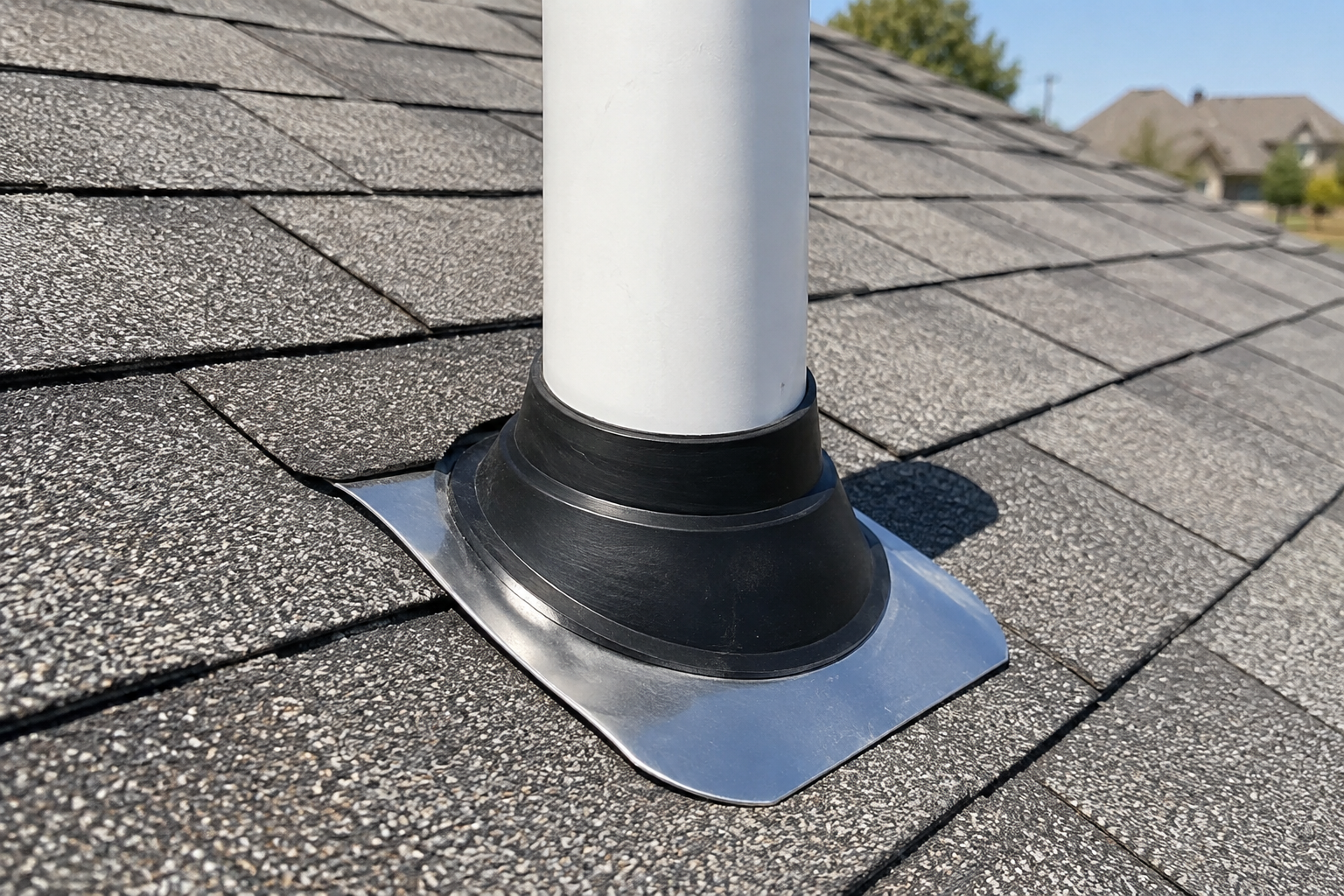
A pipe boot is essentially a waterproof collar that fits snugly around pipes, vents, and other protrusions that extend through your roof. These components are typically made from rubber, neoprene, EPDM, or thermoplastic materials designed to withstand extreme weather conditions. The boot consists of two main parts: a base flange that lies flat against the roof surface and a flexible sleeve that wraps around the pipe itself.
The base flange is installed beneath the roofing material in most cases, creating multiple layers of protection against water infiltration. The sleeve portion stretches to accommodate different pipe sizes while maintaining a tight seal. Quality pipe boots feature reinforced construction and UV-resistant materials to prevent cracking and deterioration under Texas sun exposure.
Professional roofers understand that proper pipe boot selection depends on several factors, including roof slope, pipe diameter, roofing material type, and local climate conditions. Pickle Roofing Solutions has observed that many water damage issues in Allen homes stem from inadequate or deteriorated pipe boots that homeowners didn't realize needed attention.
Why Weather Makes Pipe Boots Essential in Allen
Allen's climate presents unique challenges for roofing components, making pipe boots particularly crucial for local homeowners. The city experiences temperature fluctuations that can range from below freezing in winter to over 100°F in summer. These extreme temperature variations cause roofing materials to expand and contract repeatedly, placing stress on pipe boot seals.
Heavy rainfall events, common during Texas spring storms, test the waterproofing capabilities of every roof penetration. When pipe boots fail during these weather events, water can quickly infiltrate the roof system and cause extensive damage to insulation, framing, and interior spaces. The combination of intense UV exposure and periodic hail storms further accelerates pipe boot deterioration.
Wind-driven rain, another frequent occurrence in North Texas, can force water into even the smallest gaps around improperly sealed pipe penetrations. Professional installation becomes critical in these conditions, as DIY approaches often fail to account for the directional forces that weather places on roofing components.
Types of Pipe Boots and Material Options
Modern pipe boots come in several varieties, each designed for specific applications and performance requirements.
- Lead Pipe Boots: Once the industry standard, have largely been replaced by synthetic alternatives that offer superior durability and environmental safety.
- EPDM Rubber Boots: Provide excellent weather resistance and flexibility, making them popular choices for residential applications.
- Neoprene Pipe Boots: Offer enhanced chemical resistance and perform well in extreme temperature conditions. These boots maintain their flexibility in cold weather while resisting degradation from heat and UV exposure.
- Thermoplastic Boots: Represent the latest advancement in pipe boot technology, featuring superior longevity and resistance to cracking.
The choice between different pipe boot materials often depends on the specific roofing system in place. Standing seam metal roof systems may require specialized boots designed to work with metal roofing profiles, while traditional asphalt shingle roofs can accommodate standard rubber boots effectively. For Allen homeowners considering roof upgrades, understanding pipe boot compatibility with different roofing materials helps ensure long-term performance and warranty protection.
Common Pipe Boot Problems and Warning Signs
Pipe boot failure rarely happens overnight, typically developing through a series of warning signs that observant homeowners can identify. Cracking around the pipe collar represents the most common early indicator of boot deterioration. These cracks often start small but expand rapidly under thermal stress and weather exposure.
Visible gaps between the boot and pipe signal that the seal has compromised, allowing water penetration during rain events. Homeowners may notice water stains on ceilings near plumbing vents or detect musty odors indicating moisture infiltration. In severe cases, actual water dripping becomes apparent during heavy rainfall.
The following warning signs indicate potential pipe boot issues:
- Cracked or brittle boot material around pipe penetrations
- Visible gaps between the boot collar and pipe surface
- Water stains on interior ceilings near plumbing vents
- Musty odors in attic spaces or upper floor rooms
- Actual water leakage during rain storms
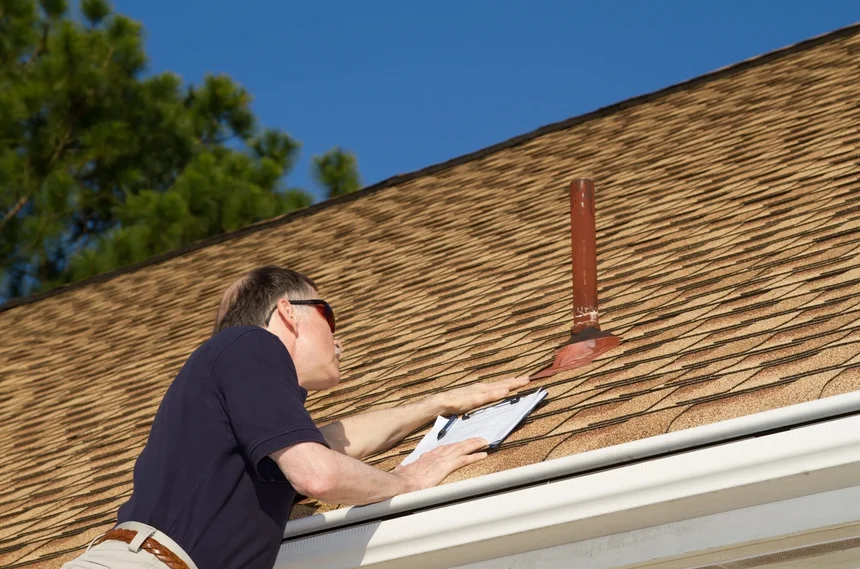
Professional roof inspections can identify deteriorating pipe boots before they cause significant water damage. A recent case study from Allen involved a homeowner who ignored minor ceiling stains for six months, ultimately requiring extensive drywall replacement and mold remediation when the pipe boot finally failed completely.
Professional Installation vs. DIY Approaches
While pipe boot replacement might appear straightforward, proper installation requires specific knowledge about roofing systems, waterproofing principles, and local building codes. Professional installation ensures that pipe boots integrate correctly with existing flashing systems and roofing materials. Experienced roofers understand the importance of proper sealant application, flange positioning, and material compatibility.
DIY pipe boot installation often results in problems that aren't immediately apparent but manifest during the next significant weather event. Common DIY mistakes include improper sealant selection, inadequate flange coverage, and failure to address underlying roof damage. These issues can void roofing warranties and create liability concerns for homeowners.
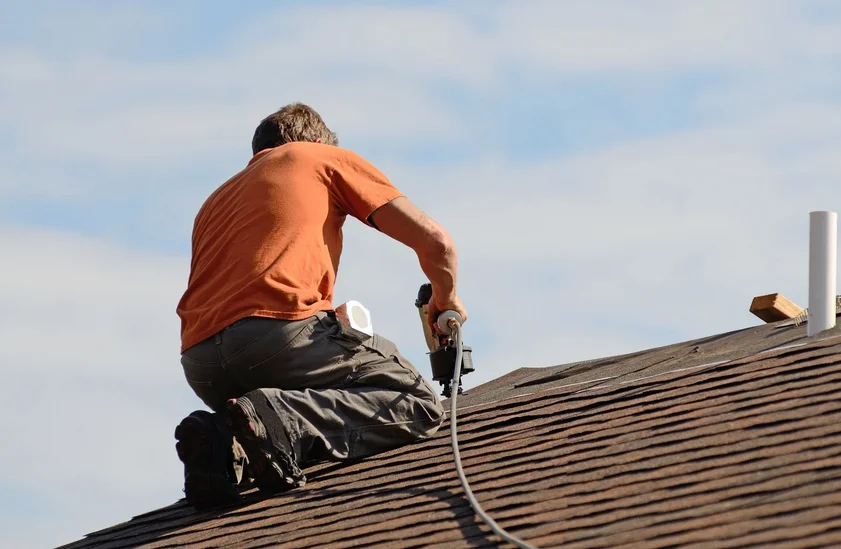
Professional installation provides several advantages beyond technical expertise. Licensed roofers carry insurance coverage protecting homeowners against installation errors, and their work typically includes warranty protection. They also possess the tools and safety equipment necessary for safe roof work, reducing risk of injury or property damage.
Pickle Roofing Solutions recommends professional installation for all pipe boot replacements, particularly when working with premium roofing materials or complex roof configurations that require specialized knowledge and experience.
Maintenance Tips for Long-Term Performance
Regular pipe boot maintenance significantly extends their service life and prevents costly water damage repairs. Homeowners should schedule annual roof inspections that include specific attention to all roof penetrations and their associated boots. These inspections can identify minor issues before they develop into major problems.
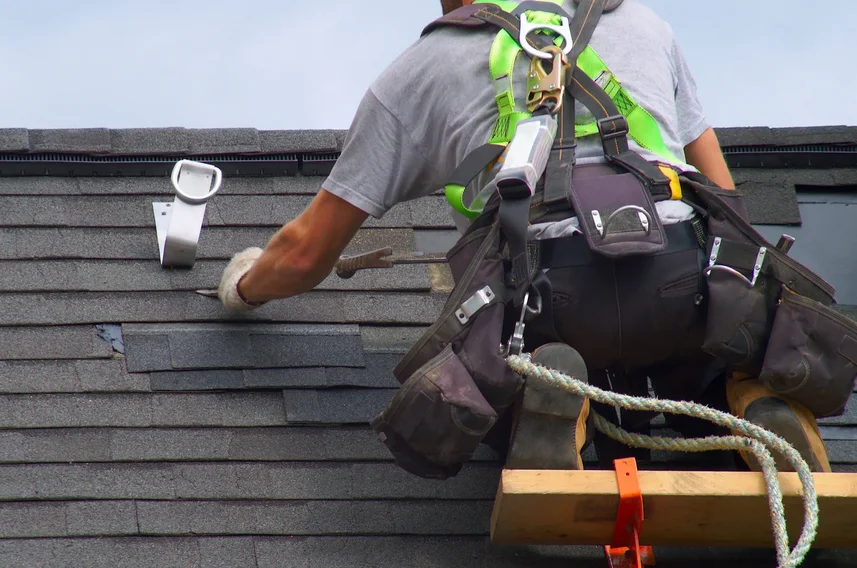
Visual inspection from ground level can reveal obvious signs of pipe boot deterioration, though professional inspection provides more thorough assessment of boot condition and performance. Homeowners should avoid walking on roofs or attempting to inspect boots up close without proper safety equipment and training.
The following maintenance practices help maximize pipe boot longevity:
- Annual professional roof inspections focusing on all penetrations
- Prompt attention to any signs of water infiltration or boot deterioration
- Avoiding harsh cleaning chemicals that can damage boot materials
- Ensuring proper attic ventilation to minimize temperature extremes
- Professional cleaning and debris removal around roof penetrations
Preventive maintenance costs far less than emergency repairs and water damage restoration. A proactive approach to pipe boot maintenance protects both the roofing investment and the home's interior from moisture-related problems.
Cost Considerations and Return on Investment
Pipe boot replacement represents one of the most cost-effective roofing maintenance investments homeowners can make. Individual boot replacement typically costs between $150-$300 per penetration when performed professionally, while water damage from failed boots can easily exceed $5,000 in repair costs.
Insurance claims related to roof leaks often face scrutiny regarding maintenance history, making documented pipe boot maintenance valuable for coverage purposes. Many insurance companies view proper roof maintenance favorably when processing claims, potentially affecting coverage decisions and premium rates.
Taking care of all pipe boots during a roof replacement or major repair can lower costs and keep your roofing system performing evenly. As more homeowners turn to corrugated metal roofing, Pickle Roofing Solutions discusses how different materials impact upkeep and long-term investment.
Quality pipe boots, properly installed and maintained, can provide 15-20 years of reliable service in Texas climate conditions. This longevity makes them an excellent investment in home protection and value preservation.
Frequently Asked Questions on Pipe Boots
How often should pipe boots be replaced in Allen, TX?
Most pipe boots require replacement every 10-15 years under normal conditions, though Texas weather conditions may accelerate this timeline. Annual inspections help determine when replacement becomes necessary based on actual boot condition rather than arbitrary timelines. Signs of cracking, hardening, or visible gaps indicate immediate replacement needs regardless of boot age.
Can I install pipe boots myself, or should I hire a professional?
While pipe boot replacement might seem like a simple DIY project, professional installation is strongly recommended for safety and performance reasons. Proper installation requires knowledge of roofing systems, waterproofing principles, and safety procedures. Professional installation also provides warranty protection and insurance coverage that DIY approaches cannot offer.
What type of pipe boot works best for Allen's climate?
EPDM rubber and neoprene boots perform exceptionally well in North Texas conditions, offering excellent UV resistance and flexibility across temperature extremes. The specific roofing material and pipe size influence the optimal boot selection. Professional roofers can recommend the best boot type for your specific application and local climate conditions.
How much does professional pipe boot replacement cost?
Professional pipe boot replacement typically ranges from $150-$300 per boot, depending on roof accessibility, boot type, and local market conditions. This investment provides significant value when compared to potential water damage repair costs, which often exceed $5,000 for extensive infiltration issues.
What happens if I ignore a failing pipe boot?
Ignoring pipe boot deterioration inevitably leads to water infiltration that can cause extensive structural damage, mold growth, and interior destruction. Water damage often spreads far beyond the immediate leak area, affecting insulation, framing, drywall, and personal belongings. Early intervention prevents these costly and disruptive problems while protecting your home's value and your family's health.
Protect Your Home with the Right Pipe Boots Today!
Understanding pipe boots and their critical role in roof performance empowers Allen homeowners to make informed decisions about their roofing maintenance and protection strategies. These small but essential components serve as the primary defense against water infiltration around roof penetrations, making their proper selection, installation, and maintenance crucial for long-term home protection.
Regular inspection and proactive replacement of deteriorating pipe boots represents one of the most cost-effective investments in preventing water damage and preserving your home's structural integrity. Don't wait for visible signs of failure to address pipe boot concerns and schedule a professional inspection today to ensure your roof provides reliable protection against Texas weather challenges.
About Pickle Roofing Solutions
Pickle Roofing Solutions specializes in comprehensive roofing services throughout Allen, Texas, with extensive experience in roof maintenance, repair, and replacement projects. Our team of certified roofing professionals combines technical expertise with deep knowledge of North Texas climate challenges to deliver superior roofing solutions including pipe boot installation, GAF roofing systems, and complete roof restoration services. We pride ourselves on using premium materials, professional installation techniques, and thorough quality assurance processes that ensure long-lasting protection for your home.
Our roofing expertise encompasses all aspects of residential and commercial roofing, from minor repairs and maintenance to complete system replacements. We understand the unique challenges that Allen's climate presents to roofing systems and have helped hundreds of local homeowners protect their investments through expert roofing installation and proper maintenance services.
Contact Pickle Roofing Solutions today at (972) 954-7186 to discuss how our roofing expertise can help you maintain and protect your home's roofing system.