

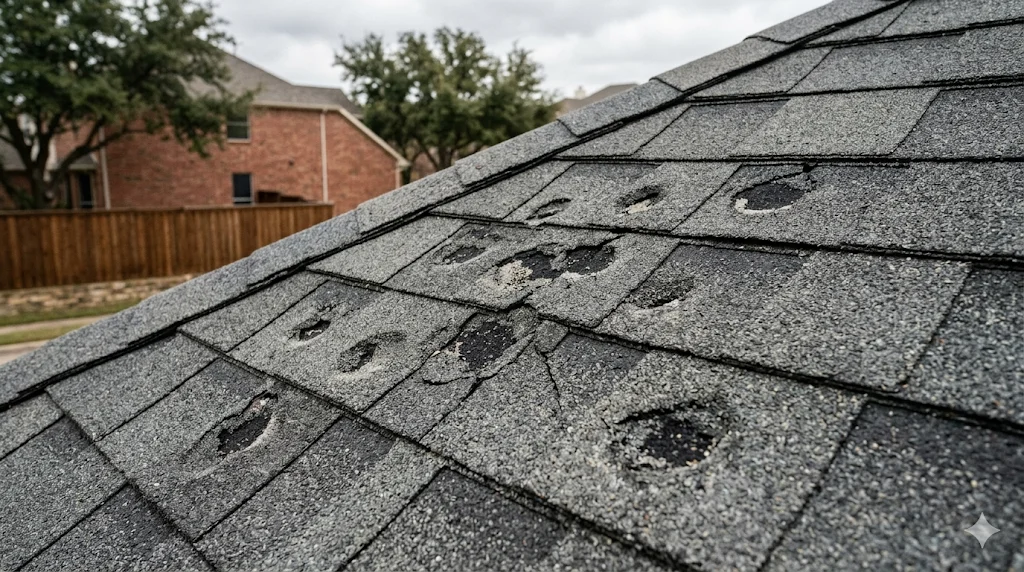
Living in Allen, TX means enjoying vibrant neighborhoods, excellent schools, and a strong sense of community. It also means dealing with North Texas weather, including the hailstorms that roll through Collin County with alarming regularity. If you have ever wondered whether that last storm left damage on your roof, you are not alone. Hail damage on a roof is not always obvious, and many homeowners only discover problems months later when leaks appear or an insurance deadline looms.
This guide will help you understand what hail damage looks like across different roofing materials, what warning signs to watch for from the ground, and when to call a roofing contractor in Allen for a thorough assessment. Recognizing damage early can save you thousands of dollars in repairs and help you navigate the insurance claims process with confidence.
Why Allen, TX Is a Hail Hotspot
Allen sits squarely within what meteorologists call Hail Alley, a corridor stretching from Texas through Oklahoma and Kansas where atmospheric conditions create ideal environments for hailstorm formation. The Dallas-Fort Worth metroplex averages six to eight significant hail events per year, and North Texas has consistently recorded more major hail events than any other region in the country.
According to hail tracking data, the Allen area has experienced over 240 hail reports within a 10-mile radius of the city center, with hailstones recorded as large as 4.5 inches in diameter. Texas leads the nation in hail-related insurance claims, with the state experiencing over 1,100 major hail events in 2023 alone. For property owners, this frequency translates to elevated risk and the need for vigilance after every significant storm.
The financial impact is substantial. Hail causes more than $2,200 in property damage per 100 Texas residents annually, more than any other state. A single severe storm can result in billions of dollars in claims across the metroplex, with roofing repairs and replacements accounting for the majority of that figure. Understanding what hail damage looks like on your specific roof type is the first step toward protecting your investment.
Signs of Hail Damage on Asphalt Shingle Roofs
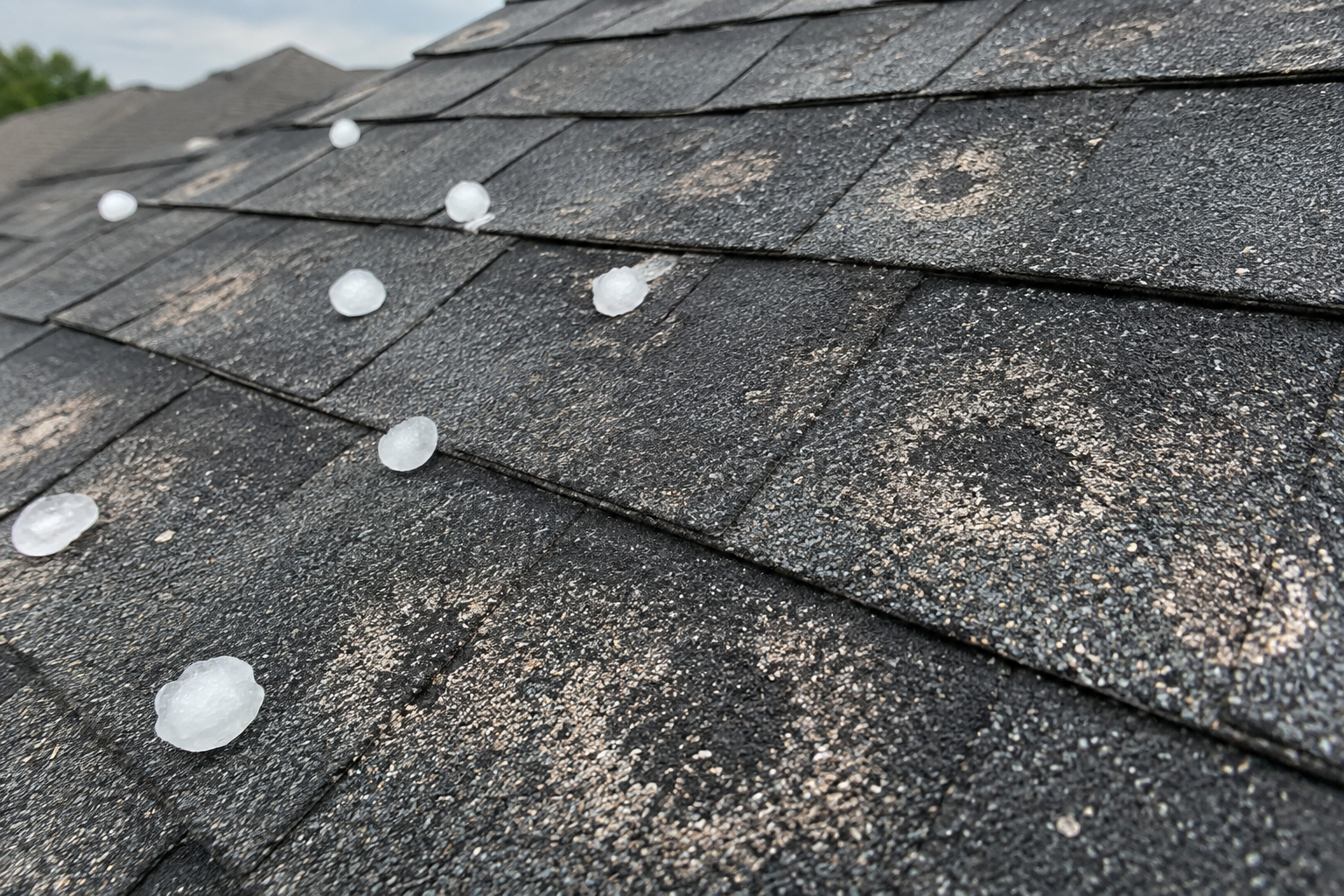
Asphalt shingle roofing covers the majority of homes in Allen and throughout the DFW area. These shingles are particularly vulnerable to hail because the granule surface and underlying asphalt layers can be compromised by impact. Here are the primary indicators that your shingle roof has sustained hail damage.
Granule Loss
The protective granules embedded in asphalt shingles shield the underlying material from UV radiation and weather exposure. When hail strikes, it dislodges these granules, leaving behind bare spots that appear darker than surrounding areas. You may notice an accumulation of granules in your gutters and downspouts after a storm, which indicates impact damage has occurred across the roof surface. Significant granule loss accelerates shingle deterioration and shortens overall roof lifespan.
Bruising and Soft Spots
Hail impacts can create bruised areas on shingles that feel soft or spongy to the touch, similar to a bruise on an apple. These spots indicate that the mat beneath the asphalt has been damaged, compromising the shingle's structural integrity. Bruising is often invisible from the ground and requires hands-on inspection to detect, which is why a professional roof inspection is essential after any significant hail event.
Cracking and Fracturing
Larger hailstones can crack shingles outright, creating visible fractures that may appear as lines or star patterns radiating from the impact point. Older roofs are particularly susceptible because aged shingles lose flexibility and become brittle. Cracked shingles allow water infiltration during subsequent rains, leading to underlayment damage, deck rot, and interior leaks if left unaddressed.
Missing or Displaced Shingles
Severe hailstorms often bring high winds that work in combination with hail impact to lift, displace, or completely remove shingles from the roof surface. Look for exposed underlayment or gaps in your shingle pattern. Missing shingles create immediate vulnerability to water intrusion and require prompt roof repairs to prevent interior damage.
Hail Damage on Metal, Tile, and Flat Roofs
While asphalt shingles dominate the residential market, Allen homeowners with alternative roofing materials face different damage patterns. Each material responds uniquely to hail impact, requiring specific inspection approaches.
Metal Roofing
Metal roofing systems are prized for their durability, but they are not immune to hail damage. Large hailstones can create dents and depressions in metal panels that affect both appearance and function. While cosmetic denting may not immediately compromise waterproofing, significant dents can alter water runoff patterns and stress seams over time. Hail can also chip or scratch protective paint coatings, leading to rust and corrosion if not addressed.
Tile Roofing
Clay and concrete tile roofing offer excellent longevity but can crack or shatter under hail impact. Broken tiles are usually visible from ground level and create immediate water entry points. Because individual tiles can be replaced without disturbing surrounding materials, prompt repair prevents damage from spreading. However, finding matching replacement tiles for older roofs can present challenges, particularly with discontinued color profiles.
Flat Roofing
Flat roofing systems, including TPO, EPDM, and modified bitumen, show hail damage through punctures, membrane tears, and surface abrasions. Impact marks may appear as circular indentations or splits in the membrane material. Because flat roofs already manage water differently than sloped systems, any compromise to the membrane creates pooling risk and accelerated deterioration. Regular inspection after storms is particularly important for flat roof owners.
Hail Damage Signs by Roofing Material
| Roofing Material | Common Damage Signs | What to Look For |
|---|---|---|
| Asphalt Shingles | Granule loss, bruising, cracks, missing shingles | Dark spots, granules in gutters, soft areas, exposed underlayment |
| Metal Panels | Dents, paint chipping, seam stress | Circular depressions, bare metal showing, rust spots |
| Clay/Concrete Tile | Cracks, chips, shattered tiles | Visible fractures, tile pieces in yard, exposed underlayment |
| Flat (TPO/EPDM) | Punctures, membrane tears, surface abrasions | Circular impact marks, splits, pooling water |
Collateral Damage: What Else to Inspect
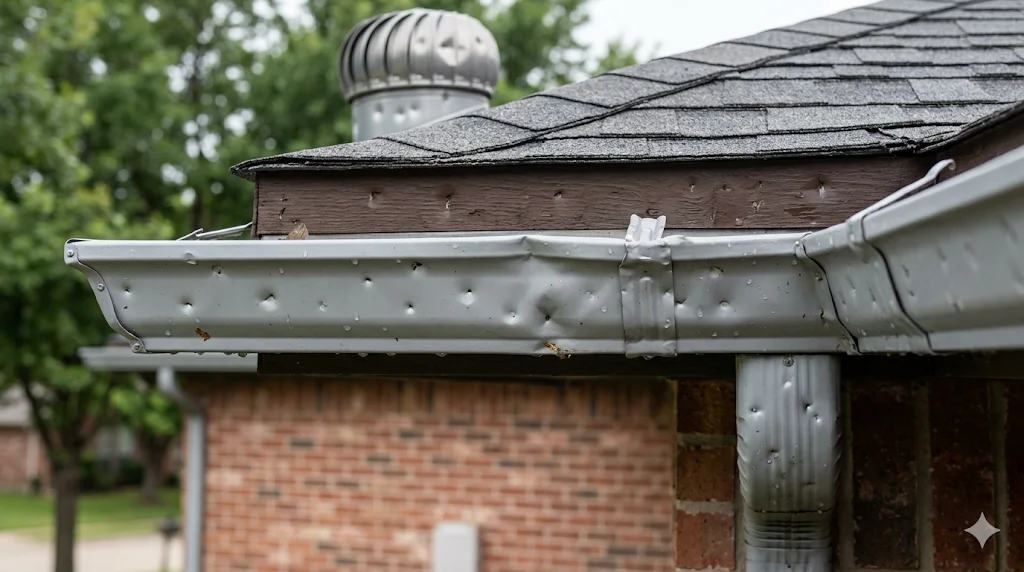
Your roof is not the only part of your home vulnerable to hail. Examining surrounding features provides valuable evidence of impact severity and can help support insurance claims. If these areas show damage, there is a strong probability your roof has been affected as well.
Gutters and downspouts are among the most reliable indicators of hail damage because their soft aluminum surfaces dent easily. Look for dimples, dings, and impact marks along the length of your gutter system, particularly on surfaces facing the direction the storm traveled. Dented gutters above five feet are especially telling because they cannot be attributed to lawn equipment or other ground-level causes.
Roof vents, including ridge vents, turbine vents, and plumbing stacks, show hail damage through dents and crushed sections. These components are made from thin metal or plastic that deforms readily under impact. Damaged vents may also allow water infiltration into attic spaces, creating secondary problems beyond the visible surface damage.
Air conditioning units positioned outside can reveal hail severity through bent condenser fins and dented housing. Siding damage, including cracks in vinyl or gouges in wood, further confirms that hail carried enough force to potentially harm your roof. Window screens with tears or small holes and windowsills with fresh dents provide additional evidence for your inspection documentation.
How to Safely Assess Hail Damage from the Ground
Climbing onto your roof to inspect for hail damage is not recommended for homeowners. Roofs become slippery after storms, and walking on damaged shingles can worsen existing problems while creating safety hazards. Instead, conduct your initial assessment from ground level using these approaches.
Use binoculars to survey your roof surface from the yard. Look for obvious irregularities such as missing shingles, exposed underlayment, or debris accumulation. Note any areas where the shingle pattern appears disrupted or where color variations suggest granule loss. Photograph what you observe to document conditions before any repairs occur.
Check your gutters and downspouts for accumulated granules. While some granule shedding is normal for aging roofs, a sudden increase in granule volume following a storm indicates impact damage. Measure or estimate the quantity if possible, as more than a cup of granules concentrated in one area suggests significant wear.
Inspect your attic if accessible. Look for daylight penetrating through the roof deck, which indicates holes or gaps. Check for water stains on rafters and sheathing, wet insulation, or active dripping. These interior signs often appear before exterior damage becomes obvious and provide early warning of problems requiring attention.
When to Call a Professional Roofer
Ground-level inspection has limitations. Many forms of hail damage, particularly bruising on asphalt shingles, require hands-on evaluation that only a professional can safely provide. Consider scheduling a professional inspection when any of the following conditions apply.
If your area experienced hail measuring one inch in diameter or larger, professional assessment is warranted regardless of visible damage. Hailstones of this size carry enough force to compromise shingles even when no obvious signs appear from the ground. The Insurance Institute for Business and Home Safety tracks hail events by size, and storms producing one-inch or larger hail routinely generate widespread roof damage claims.
If you notice any collateral damage to gutters, vents, siding, or outdoor equipment, your roof likely sustained impact as well. Roofing contractors can identify damage patterns, document findings with photographs, and provide reports that support insurance claims. Their trained eye catches issues that homeowners typically miss, including subtle damage that worsens over time.
If you plan to file an insurance claim, having a professional inspection report strengthens your case. Adjusters rely on documented evidence to assess damage extent and approve repairs. A reputable roofing contractor will provide detailed findings without pressuring you into immediate decisions, allowing you to make informed choices about your property.
Filing a Hail Damage Insurance Claim in Texas
Texas homeowners insurance policies typically cover hail damage, but specific terms vary by carrier and policy type. Understanding deadlines and requirements helps ensure your claim receives proper consideration.
Most policies require prompt notification of damage, with specific deadlines ranging from 90 days to one year depending on your carrier. The deadline for filing a claim or pursuing a dispute can depend on policy terms and applicable law. Review your policy and confirm the relevant timeline with your insurer or qualified legal counsel. Filing within 30 to 60 days of a storm provides the strongest position because it establishes clear connection between the weather event and your damage.
Document everything before filing. Photograph all visible damage from multiple angles, including close-up shots and wider context images. Note the date of the storm and save any weather alerts or news coverage confirming hail in your area. Collect repair estimates from licensed contractors to provide alongside your claim submission.
Understand your policy structure before proceeding. Replacement Cost Value policies pay the full cost to replace your roof with equivalent materials, while Actual Cash Value policies deduct depreciation based on roof age. Know your deductible amount, whether it is a flat dollar figure or a percentage of your dwelling coverage. A two percent deductible on a $400,000 home means $8,000 out of pocket before insurance coverage begins.
Avoid contractors who offer to waive your deductible. Under Texas law, waiving a homeowner insurance deductible is illegal, and contractors who make this offer may be engaging in insurance fraud. Work with established local companies who operate transparently and provide detailed written estimates.
Schedule Your Free Hail Damage Inspection Today!
If you suspect your Allen home sustained hail damage, do not wait until leaks appear or insurance deadlines pass. Contact Pickle Roofing Solutions today for a thorough inspection and honest assessment of your roof's condition. Call (972) 954-7186 or visit our contact page to schedule your free evaluation. Our experienced team will document any damage, explain your options, and help you navigate the insurance process with confidence.
Frequently Asked Questions
How big does hail need to be to damage a roof?
Hail approximately one inch in diameter, roughly the size of a quarter, can damage asphalt shingles by causing granule loss and bruising. Larger hailstones create more severe damage including cracks, fractures, and complete shingle failure. Even smaller hail can harm older roofs where shingles have already lost flexibility.
Can I inspect my own roof for hail damage?
You can conduct a preliminary assessment from the ground using binoculars, but climbing on your roof is not recommended. Many damage types, particularly bruising, require hands-on inspection to detect. Professional roofers have the equipment, training, and experience to safely assess your roof and identify damage that may not be visible from ground level.
How long do I have to file a hail damage claim in Texas?
Policy deadlines vary by carrier, typically ranging from 90 days to one year for initial notification. The deadline for filing a claim or pursuing a dispute can depend on policy terms and applicable law. Review your policy and confirm the relevant timeline with your insurer or qualified legal counsel. For the strongest claim, file within 30 to 60 days of the storm to establish a clear connection between the weather event and your damage.
Will my insurance rates increase if I file a hail claim?
Filing a hail damage claim may affect your premium, with increases averaging around 30 percent for properties with weather-related claims. However, not repairing hail damage can lead to more expensive problems including leaks, mold, and structural deterioration. Consult with your insurance agent to understand how a claim might affect your specific policy.
What should I do immediately after a hailstorm?
Document any visible damage with photographs and video. Check gutters, vents, siding, and outdoor equipment for signs of impact. Make temporary repairs if necessary to prevent water intrusion, such as covering broken areas with tarps. Contact your insurance company to report potential damage, and schedule a professional roof inspection to assess the full extent of any problems.
How can I tell the difference between hail damage and normal wear?
Hail damage appears as random impact patterns across the roof surface, often concentrated on slopes facing the storm direction. Normal wear shows as gradual, uniform deterioration. Hail impacts create distinct marks including circular dents, fracture lines radiating from impact points, and localized granule loss. A professional inspector can differentiate between storm damage and age-related wear for accurate documentation.
About Pickle Roofing Solutions
Pickle Roofing Solutions is a GAF Master Elite certified roofing contractor serving Allen and communities throughout the Dallas-Fort Worth metroplex. Our team understands North Texas weather patterns and designs roof systems built to withstand the hail, high winds, and temperature extremes that define our region. From storm damage assessment to complete roof replacement, we deliver expert service backed by industry-leading warranties and a commitment to quality craftsmanship.