


Your roof protects everything underneath it, yet most Allen homeowners do not think about it until something goes wrong. In North Texas, that oversight can be costly. Allen sits in one of the most weather-challenged regions in the country, where roofs endure triple-digit summer temperatures, intense UV radiation, sudden hailstorms, and temperature swings that can span 40 degrees in a single day. In 2025 alone, weather services recorded 21 hail reports within 10 miles of Allen, with hailstones reaching up to 2.25 inches in diameter.
The good news is that a consistent roof maintenance checklist can help you catch small problems before they become expensive emergencies. Homeowners who invest in regular maintenance can extend their roof's lifespan by five to ten years and avoid the stress of unexpected repairs. This guide provides a complete seasonal maintenance schedule tailored to Allen's climate, along with specific inspection points and guidance on when to call a professional.
Why Roof Maintenance Matters in North Texas
Texas roofs face stressors that roofs in other parts of the country simply do not experience. The intense summer sun causes shingle roofing materials to dry out and become brittle over time. UV rays break down the protective granules on asphalt shingles, accelerating deterioration. Heat also causes roofing materials to expand during the day and contract at night, which loosens fasteners, stresses seams, and creates gaps in flashing that were not there the previous season.
Add hail and high winds to the equation, and North Texas roofs work harder than most. A typical asphalt shingle roof in the DFW area is designed to last 15 to 20 years, but that lifespan depends heavily on how well it is maintained. With proper care, many roofs reach 25 years or more. Without maintenance, the same roof might fail in 12 to 15 years, requiring premature replacement that costs tens of thousands of dollars.
Regular maintenance also protects your home's energy efficiency. When shingles lose their reflective granules, they absorb more heat, which transfers into your attic and living space. A poorly ventilated attic can reach temperatures 30 to 40 degrees higher than the outside air, forcing your air conditioning system to work harder and driving up utility bills. Keeping your roof in good condition is not just about preventing leaks; it is about protecting your comfort and your wallet.
Spring Maintenance: March Through May
Spring is the most critical maintenance window for Allen homeowners because it falls right before peak hail season. In the DFW area, the most active stretch for severe weather typically runs from March through June, with April and May seeing the highest frequency of significant hail events. Getting your roof inspected and any issues addressed before this period gives you documented baseline condition in case you need to file an insurance claim later.
Start by walking around your home and examining the roof from ground level. Use binoculars if needed to check for shingles that are cracked, curling at the edges, or missing entirely. Look for discoloration or dark streaks that might indicate algae growth or moisture problems. Pay attention to the roofline itself; any sagging or uneven sections could point to structural issues or trapped moisture.
Winter temperature swings put stress on flashing and seals. Materials expand and contract repeatedly over the colder months, which can create small gaps around chimneys, pipe boots, and roof edges. These gaps may not be visible from the ground, which is why scheduling a professional roof inspection in spring makes sense. A trained inspector will walk the roof and identify issues that could become problems once spring storms arrive.
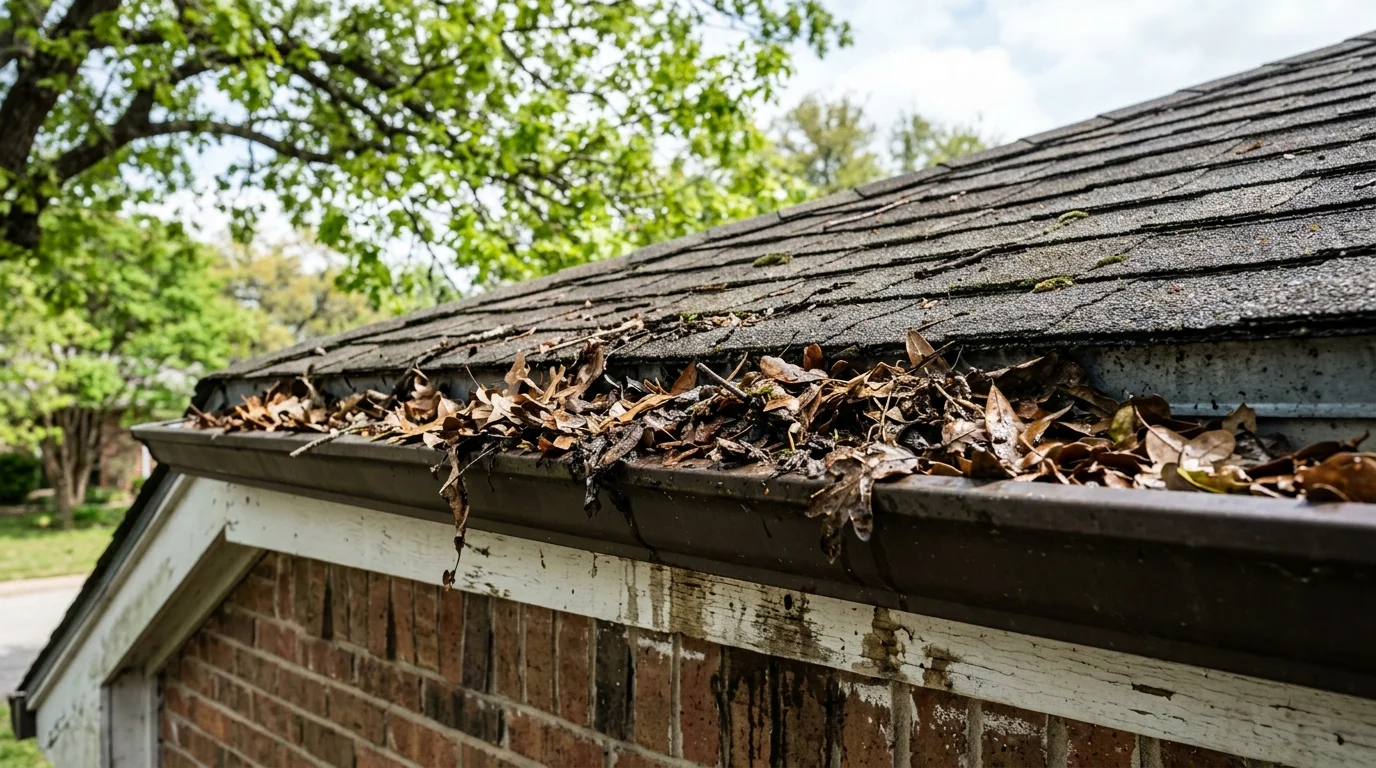
Clean your gutters of any debris that accumulated over winter. Leaves, twigs, and dirt can clog downspouts and cause water to back up against the roofline, leading to rot and leaks. While you are there, check whether the gutters have pulled away from the fascia anywhere and ensure water has a clear path to drain away from your foundation.
Summer Maintenance: June Through August
Texas summers are brutal on roofing materials. Extended exposure to triple-digit temperatures and intense UV radiation causes asphalt shingles to dry out, become brittle, and lose their protective granules. This damage happens gradually, which is why summer inspections focus on catching the early signs before they become serious problems.
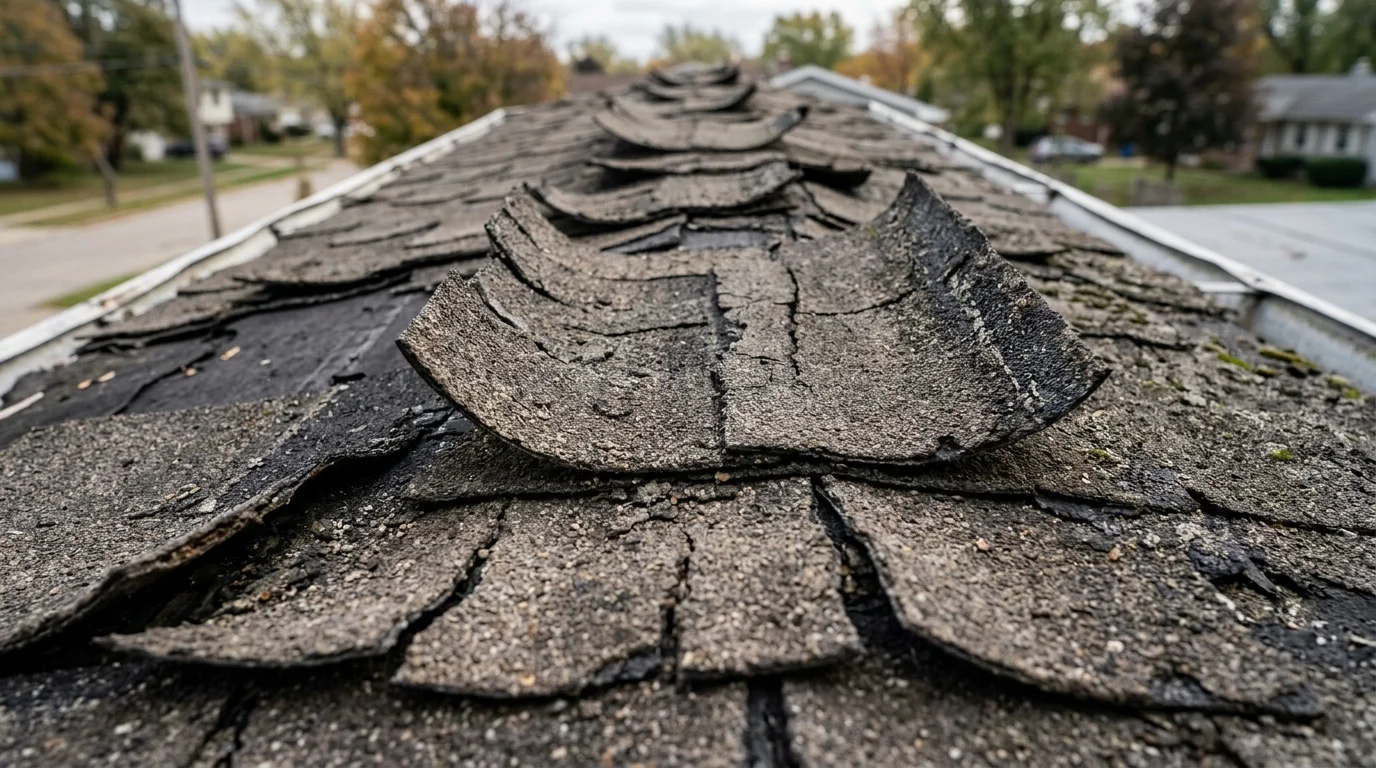
Check your shingles for blistering, curling, or obvious granule loss. Blisters appear as small raised bubbles on the shingle surface, which can burst and leave the underlying material exposed. Curling happens when shingles dry out and their edges lift away from the roof deck. Granule loss shows up as bare spots on shingles and gritty, sand-like material collecting in your gutters. Pay special attention to south-facing and west-facing roof slopes, which receive the most direct sun exposure and typically show wear first.
Proper attic ventilation becomes critical during summer months. A well-ventilated attic should stay within 10 to 15 degrees of the outdoor temperature. If your attic feels like a sauna, heat is getting trapped and baking your shingles from underneath while also radiating into your living space. Check that soffit vents, ridge vents, and any attic fans are clear of obstructions and functioning properly. For homes with ongoing ventilation issues, our attic services and roof ventilation systems resources explain how proper airflow protects both your roof and your energy bills.
Trim any tree branches that hang over your roof or come within 10 feet of the roofline. Overhanging branches scratch and scuff shingles during windy conditions, drop debris that traps moisture, and can break off during storms and cause significant damage. Regular trimming also improves air circulation around your roof, helping it dry faster after rain.
Fall Maintenance: September Through November
Fall offers the perfect opportunity to assess any damage from summer storms and prepare your roof for winter. The weather is typically mild enough for repairs, and addressing issues now prevents them from worsening during the colder months when moisture problems are more likely to develop.
Inspect your roof for storm damage that may have occurred during summer thunderstorms. Look for missing or displaced shingles, damaged flashing, and dents on metal components like vents and flashing. Hail damage is not always obvious from the ground; bruised shingles may look intact but have compromised structural integrity that will lead to premature failure. If your area experienced any significant hail events during summer, consider scheduling a professional inspection to document the damage.
Clear fallen leaves and debris from roof valleys, around chimneys, and from gutters. Debris that sits on your roof traps moisture against the shingles, accelerating deterioration and creating conditions for algae and moss growth. Clogged gutters are one of the top causes of winter leaks because water backs up and seeps beneath shingles when it cannot drain properly. Our gutter services team can help if your gutters need repair or cleaning beyond what you can safely handle.
Fall is also a good time to review your homeowner's insurance policy and understand your storm damage coverage before you need it. If your roof is 15 years or older and showing signs of wear, have an honest conversation with a roofing contractor in Allen about whether you are approaching the point where replacement makes more sense than continued repairs.
Winter Maintenance: December Through February
Texas winters are mild compared to northern states, but they still pose challenges for your roof. Sudden cold fronts, temperature swings, and occasional ice storms can damage roofing materials in ways that do not become apparent until spring. The repeated expansion and contraction caused by temperature changes weakens shingles, flashing, and sealants, creating entry points for moisture.
After any significant rain event, check your ceilings for new water stains. A stain that appears after a winter rain often indicates a leak that developed from seasonal expansion damage. Catching these leaks early prevents the water damage from spreading to insulation, drywall, and structural components. If you notice a new stain, do not wait for it to get worse; schedule an inspection to identify the source.
Condensation is a common winter problem in Texas attics. When warm, humid indoor air meets cold attic surfaces, it condenses into moisture that can soak insulation, cause wood rot, and promote mold growth. Check your attic for signs of moisture, including frost on the underside of the roof deck, damp insulation, or musty odors. Ensure that bathroom exhaust fans and dryer vents are properly ducted to the outside rather than into the attic space.
Verify that your gutters and downspouts are draining properly. During cold snaps, water that pools in gutters can freeze and create ice dams that force water back under shingles. Keep gutters clear of debris throughout winter and ensure downspouts direct water at least three feet away from your foundation.
What to Inspect: The Complete Checklist
Use this checklist during your seasonal inspections to ensure you cover all the critical components of your roofing system.
- Shingles: Look for cracks, curling edges, blistering, missing pieces, and granule loss. Check for bare spots where granules have worn away. Note any shingles that appear darker or lighter than surrounding areas, which can indicate moisture problems or uneven aging.
- Flashing: Inspect the metal strips around chimneys, vents, skylights, and where the roof meets walls. Look for rust, gaps, lifted sections, or deteriorated caulking. Even small gaps in flashing can allow significant water intrusion during heavy rain.
- Gutters: Check for clogs, sections pulling away from the fascia, and granule buildup. A significant amount of granules in your gutters after a storm indicates your shingles took damage. Ensure downspouts are connected and directing water away from the foundation.
- Vents and Boots: Examine the rubber boots and seals around pipe penetrations. These components degrade faster than shingles and are a common source of leaks. Look for cracking, gaps, or deterioration.
- Fascia and Soffit: Walk the exterior and look at the boards running along the roofline. Press gently on any area that looks soft or discolored. Wood rot at the fascia usually means water has been sitting somewhere nearby.
- Attic: Go into your attic on a clear day and turn off the lights. If you can see daylight through the roof deck, water can get in the same way. Check the underside of the decking for stains, soft spots, or mold. Look along rafters and insulation for any signs of moisture. Note whether the attic feels excessively hot or has a musty smell.
DIY vs. Professional: What You Can Handle and When to Call a Pro
Some maintenance tasks are perfectly safe for homeowners to handle, while others require professional expertise and equipment. Knowing the difference protects both your safety and your roof.
- Safe for homeowners: Ground-level visual inspections using binoculars, gutter cleaning if you are comfortable on a ladder and your roof has a gentle slope, attic inspections with a flashlight, and clearing debris from the yard that could blow onto the roof during storms.
- Call a professional for: Anything requiring walking on the roof, flashing repairs, shingle replacement, hail damage assessment, detailed post-storm inspections, and any repair involving roof penetrations. Professional inspectors are trained to identify damage that homeowners miss, such as bruised shingles from hail impact or underlayment problems that are not visible from the surface.
A professional roof inspection typically takes about an hour and provides documentation you can use for insurance claims if damage is found. If your roof is fine, you gain peace of mind. If there are issues, you have the information needed to address them before they worsen.
Warning Signs That Require Immediate Attention
Some roofing problems cannot wait for your next scheduled inspection. If you notice any of the following, contact a roofing contractor immediately or consider emergency roofing services.
Active leaks or water stains that are spreading indicate water is currently entering your home and causing damage. A sagging roofline suggests structural problems that could lead to partial collapse if not addressed. Multiple missing shingles after a storm leave your roof deck exposed to the elements. Significant granule loss appearing as bare spots on multiple shingles or heavy gritty buildup in gutters means your shingles have lost their protective layer. Daylight visible through your attic roof deck shows gaps that will allow water intrusion. Mold growth or persistent musty odors in your attic indicate moisture problems that can spread and cause health issues.
How Regular Maintenance Extends Roof Life
The financial case for regular maintenance is compelling. A minor repair that costs $250 to $750, such as replacing a few damaged shingles or resealing a vent boot, can prevent major damage that costs $5,000 to $15,000 or more to repair. Catching a small leak before it spreads to your decking, insulation, and interior finishes saves thousands in water damage restoration.
Regular maintenance also preserves your roof's energy efficiency by keeping granules intact and ventilation systems functioning. It maintains your manufacturer warranty coverage, which often requires documented maintenance as a condition of the warranty. And it creates a paper trail of your roof's condition that strengthens your position if you ever need to file an insurance claim for storm damage.
For roof repairs that are needed, addressing them promptly prevents small issues from compounding into larger problems. A lifted shingle that goes unfixed allows water underneath, which rots the decking, which compromises the structural support, which eventually requires not just new shingles but new decking and possibly truss repairs. The cost escalates at each stage.
Schedule Your Roof Inspection Today!
Do not wait for a leak to find out your roof needs attention. Contact Pickle Roofing Solutions for a free roof inspection and personalized maintenance recommendations. Our experienced team will document your roof's current condition, identify any issues that need attention, and help you develop a maintenance plan that extends your roof's life and protects your home. Call (972) 954-7186 or visit our contact page to schedule your inspection and take the first step toward worry-free roof ownership.
Frequently Asked Questions
How often should I inspect my roof in Allen, TX?
Inspect your roof at least twice per year, ideally in spring before hail season and in fall before winter. Additionally, conduct a visual inspection after any significant storm, especially hail events with stones one inch or larger in diameter. Professional inspections are recommended annually and after any storm that may have caused damage.
What is the most important maintenance task for Texas roofs?
Maintaining proper attic ventilation is arguably the most important ongoing maintenance task. Poor ventilation traps heat that bakes your shingles from underneath and drives up cooling costs. It also allows moisture to accumulate, leading to mold and rot. Keeping vents clear and ensuring adequate airflow protects your roof from the inside out.
Can I walk on my roof to inspect it?
Walking on your roof is generally not recommended for homeowners. It poses safety risks, and improper foot placement can actually damage shingles, especially in hot weather when asphalt is soft. Most visual inspection can be done from the ground with binoculars. For anything requiring roof access, hire a professional who has the proper safety equipment and training.
How do I know if my attic has proper ventilation?
A properly ventilated attic should stay within 10 to 15 degrees of the outdoor temperature. If your attic feels significantly hotter than outside during summer, ventilation is inadequate. Other signs of poor ventilation include frost on the underside of the roof deck in winter, musty odors, visible mold, or roof shingles that are deteriorating faster than expected.
Should I inspect my roof after every storm?
A quick visual check from the ground after any storm is a good habit. Look for obvious damage like missing shingles or debris on the roof. After hail events with stones one inch or larger, or after high wind events, schedule a professional inspection even if you do not see obvious damage. Hail can bruise shingles in ways that are not visible from the ground but will cause premature failure over the following months.
How much does professional roof maintenance cost?
Professional roof inspections typically range from free to $200, depending on the company and the scope of the inspection. Many reputable roofing contractors offer free inspections as a service to homeowners. Minor maintenance tasks like resealing flashing or replacing a few shingles typically cost $250 to $750. These costs are minimal compared to the thousands of dollars in damage that regular maintenance helps prevent.
About Pickle Roofing Solutions
Pickle Roofing Solutions is a GAF Master Elite certified roofing contractor serving Allen and communities throughout Collin County. Our team provides thorough inspections, honest assessments, and quality repairs that help Allen homeowners protect their roofing investment for the long term. We understand the unique challenges that North Texas weather presents and tailor our maintenance recommendations to address them. When you need a roofing partner you can trust, we are here to help.