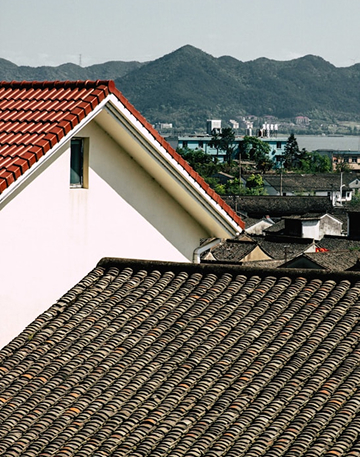

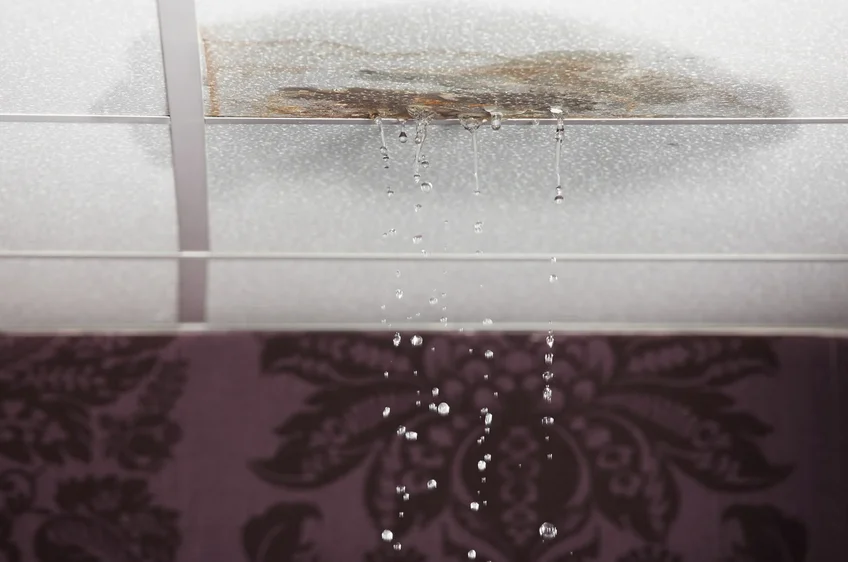
Heavy rain in Allen, Texas can quickly transform from a refreshing weather change into a homeowner's nightmare when water starts dripping through the ceiling. Allen residents know all too well how intense North Texas storms can expose even the smallest roofing vulnerabilities, turning minor issues into costly repairs. Understanding what causes these leaks during heavy rainfall is crucial for protecting your investment and maintaining a dry, comfortable home environment.
When storm clouds gather over Allen, your roof becomes the first line of defense against nature's assault. However, various factors can compromise this protection, allowing water to penetrate your home's interior. From aging materials to improper installation techniques, multiple culprits can contribute to leak development during intense precipitation. The key lies in identifying these potential problem areas before they escalate into major structural damage.
This comprehensive guide explores the primary causes of roof leaks during heavy rain in Allen homes, offering practical insights into prevention strategies and repair solutions. We'll examine everything from damaged shingles and clogged gutters to flashing failures and ventilation issues, providing you with the knowledge needed to safeguard your property against water intrusion.
Damaged or Missing Shingles
One of the most common causes of roof leaks during heavy rain involves compromised roofing shingles. Allen's climate presents unique challenges for roofing materials, with intense summer heat causing expansion and contraction cycles that gradually weaken shingle integrity. Over time, these temperature fluctuations can cause shingles to crack, curl, or become completely dislodged during severe weather events.
Wind damage represents another significant threat to shingle stability in the Allen area. North Texas is known for powerful thunderstorms that can generate winds exceeding 70 mph, easily lifting loose or aging shingles from their secured positions. Once a shingle is missing or severely damaged, the underlying roof deck becomes exposed to direct water penetration, creating an immediate pathway for leaks during rainfall.
Homeowners should regularly inspect their roofs for visible signs of shingle damage, including granule loss, cracking, or lifting edges. These warning signs often appear months before actual leaks develop, providing an opportunity for preventive maintenance. Professional Pickle Roofing Solutions specialists recommend conducting visual inspections after every major storm to identify potential issues before they escalate into costly water damage scenarios.
Compromised Flashing Systems
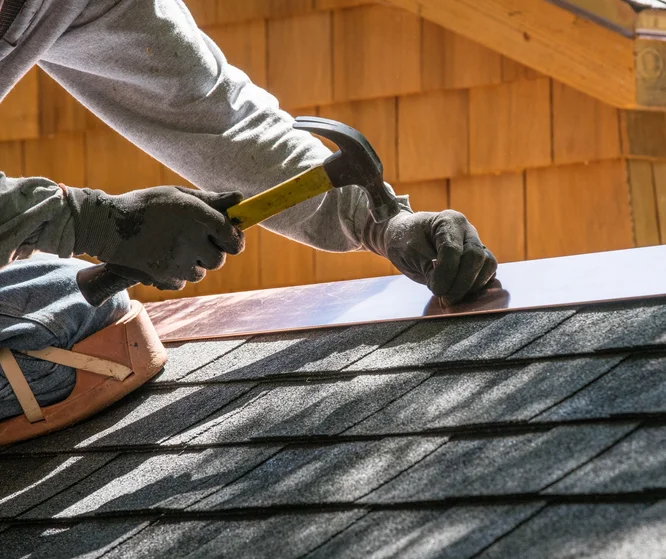
Flashing serves as a critical waterproofing component around roof penetrations, valleys, and transitions between different materials. In Allen homes, flashing problems frequently occur around chimneys, skylights, vents, and where the roof meets vertical walls. These areas experience the highest concentration of water flow during heavy rain, making proper flashing installation and maintenance essential for leak prevention.
Age-Related Deterioration
- Older homes in Allen may feature galvanized steel flashing that becomes susceptible to rust and corrosion over time.
- Modern installations typically utilize aluminum or copper alternatives, but even these materials can develop problems when subjected to thermal expansion and contraction cycles common in North Texas climate conditions.
Improper Installation Techniques
- Contractors cutting corners or lacking experience with specific roofing configurations can create gaps in the flashing system that allow water infiltration.
- A recent case study involved an Allen homeowner who experienced persistent leaks around a skylight installation until professional assessment revealed improperly sealed flashing joints that required complete reinstallation to resolve the moisture intrusion problem.
Clogged Gutter and Drainage Issues
Effective water management depends heavily on properly functioning gutter systems that channel rainwater away from roof surfaces and foundation areas. Allen homeowners often underestimate how quickly gutters can become clogged with leaves, debris, and sediment, particularly during autumn months when mature trees shed their foliage. When gutters cannot handle water volume efficiently, overflow occurs that can penetrate roofing materials and cause interior leaks.
Inadequate gutter sizing represents another common problem in older Allen neighborhoods where original installations may not meet current capacity requirements. Modern building codes recognize the need for larger gutter systems capable of handling intense rainfall events that have become more frequent in recent years. Undersized gutters create water backup situations that force moisture underneath shingles and into vulnerable roof areas.
Downspout positioning and drainage patterns also play crucial roles in preventing water-related roof damage. When downspouts discharge too close to the foundation or create pooling areas, water can migrate back toward the structure and find entry points through lower roof sections. Professional evaluation of drainage patterns helps identify these potential problem areas before they contribute to leak development during heavy precipitation events.
Roof Age and Material Deterioration
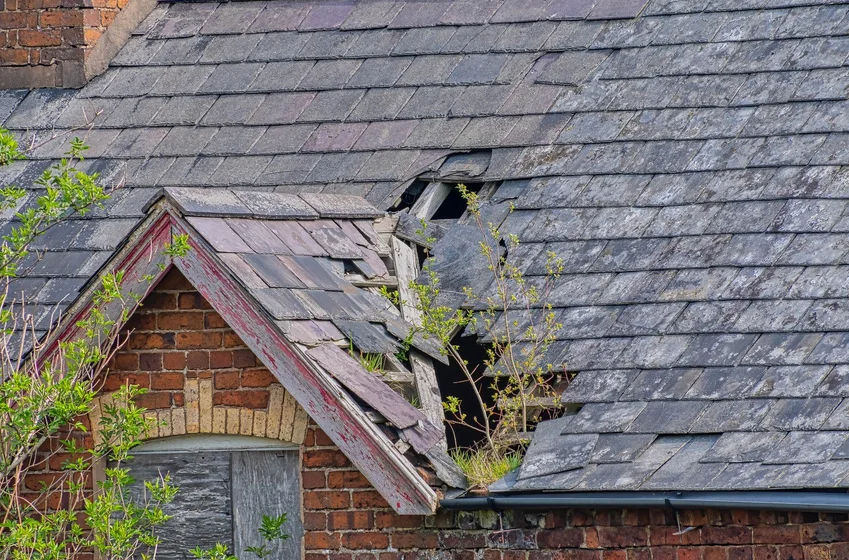
The natural aging process affects all roofing materials, but Allen's climate accelerates deterioration through intense UV exposure and thermal cycling. Most asphalt shingle roofs in the area have service lives ranging from 15 to 25 years, depending on material quality and installation techniques. As roofs approach or exceed these timeframes, their ability to resist water penetration during heavy rain diminishes significantly.
Material degradation manifests in various ways that compromise water resistance. Asphalt shingles lose protective granules over time, exposing the underlying mat to direct weather exposure. This granule loss reduces the shingle's ability to shed water effectively and can create areas where moisture absorption occurs during prolonged rainfall events. Additionally, the asphalt compound itself becomes brittle with age, leading to crack development that provides direct pathways for water infiltration.
Understanding when roof replacement becomes necessary helps Allen homeowners avoid unexpected leak situations during severe weather. Warning signs of advanced material deterioration include widespread granule loss, multiple missing or damaged shingles, visible sagging areas, and interior staining from previous water intrusion.
Professional assessment services can evaluate overall roof condition and provide recommendations for repair versus replacement based on current material integrity and expected future performance.
Poor Ventilation and Moisture Management
Adequate roof ventilation plays a vital role in preventing moisture-related problems that can lead to leaks during heavy rain. Allen homes without proper attic ventilation systems experience temperature and humidity imbalances that create conditions conducive to material degradation and ice dam formation during winter months. Poor ventilation also contributes to accelerated aging of roofing materials through excessive heat buildup in summer.
Insufficient intake and exhaust ventilation
- Creates pressure differentials that can force rainwater through normal roof openings during intense storms.
- When attic spaces cannot equalize pressure effectively, wind-driven rain may penetrate areas that would normally remain dry under standard conditions.
- Particularly problematic around ridge vents, soffit areas, and gable end ventilation systems.
Moisture management considerations
- Extends beyond basic ventilation to include vapor barrier installation and insulation strategies that prevent condensation buildup.
- Allen’s humid climate can create conditions where warm, moist air contacts cool roof surfaces, leading to condensation that mimics leak symptoms.
- Proper moisture management systems address these issues through controlled air movement and thermal barriers that prevent temperature differentials from creating water accumulation problems.
Inadequate Installation and Workmanship
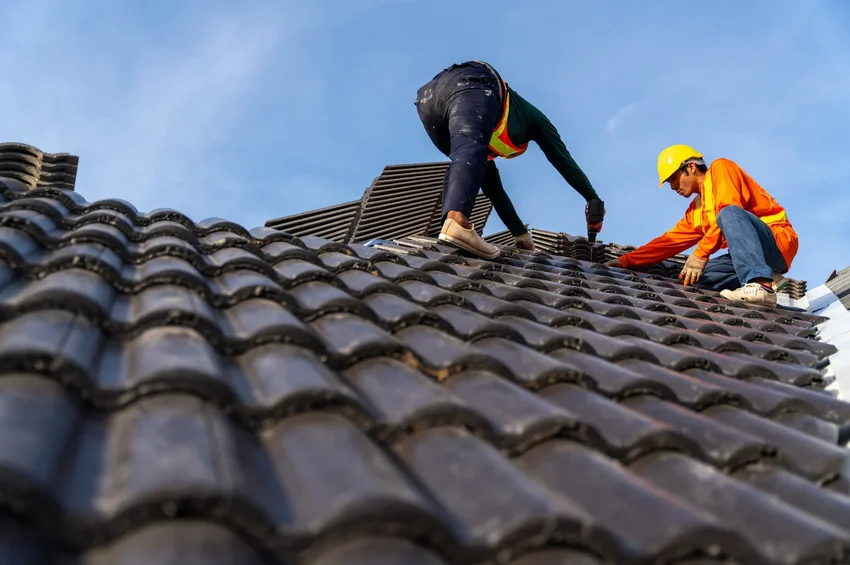
Quality installation practices form the foundation of long-term roof performance, but substandard workmanship continues to plague Allen homeowners who select contractors based solely on low bid pricing. Improper nailing techniques, inadequate sealant application, and shortcuts in material overlap create vulnerabilities that become apparent during the first heavy rainfall after installation.
Common installation defects include insufficient nail penetration, overdriven fasteners that compromise shingle integrity, and improper starter strip installation along roof edges. These seemingly minor issues can cascade into major problems when subjected to wind-driven rain that tests every aspect of the roofing system. Professional installations by certified contractors like those at Pickle Roofing Solutions follow manufacturer specifications and local building codes to ensure optimal performance under adverse weather conditions.
Documentation of proper installation techniques becomes crucial for warranty coverage and insurance claims related to storm damage. Homeowners should maintain records of roofing work, including material specifications, installation dates, and contractor certifications. This documentation provides valuable evidence when addressing leak issues that may result from workmanship defects rather than normal wear or storm damage.
Structural Settlement and Movement
Allen's expansive clay soils create unique challenges for residential structures that can indirectly contribute to roof leak development. As soil moisture content fluctuates with seasonal rainfall patterns, foundation movement occurs that can stress roofing systems beyond their design tolerances. This movement manifests as subtle shifts in roof planes, gaps in flashing systems, and separation between different materials.
Over time, structural settlement can create low spots in roof surfaces where water accumulates during heavy rain rather than flowing toward designated drainage areas. These ponding locations increase the likelihood of water penetration through materials not designed for prolonged moisture exposure. Additionally, settlement can cause separation between roof sections, creating gaps that allow direct water infiltration during storm events.
Monitoring structural stability helps identify potential roofing problems before they result in leak situations. Warning signs include doors and windows that stick or gap, visible cracks in interior walls, and separation between different building materials. When structural movement affects roofing systems, professional evaluation can determine whether repairs or modifications are necessary to maintain water resistance during heavy precipitation.
Frequently Asked Questions
How can I tell if my Allen home has roof damage after a heavy rainstorm?
Look for visible signs both inside and outside your home, including water stains on ceilings or walls, missing or damaged shingles, debris in gutters, and standing water in your attic. Outside, check for loose or displaced roofing materials, damaged flashing around chimneys or vents, and any obvious holes or gaps in the roof surface. If you notice musty odors or increased humidity indoors after a storm, these could indicate hidden water intrusion that requires professional inspection.
What should I do immediately if I discover a roof leak during heavy rain?
First, protect your belongings by moving furniture and valuables away from the leak area and placing containers to catch dripping water. If possible, safely access your attic and place a bucket directly under the leak source on solid flooring or plywood. Contact a professional roofing contractor as soon as weather conditions allow for temporary repairs. Avoid attempting DIY repairs on a wet roof, as this creates dangerous slip hazards.
How often should Allen homeowners inspect their roofs for potential problems?
Conduct visual inspections from ground level at least twice yearly, ideally in spring and fall, plus after major storm events. Look for obvious damage like missing shingles, damaged flashing, or clogged gutters. Professional roof inspections should occur every 3-5 years for newer roofs and annually for roofs over 15 years old. Given Allen's severe weather patterns, more frequent inspections may be warranted for homes in areas prone to hail or wind damage.
Can I prevent roof leaks by improving my home's drainage system?
Yes, proper drainage significantly reduces roof leak risks by ensuring water moves efficiently away from roof surfaces and foundation areas. Keep gutters clean and properly sized for your roof area, ensure downspouts direct water at least 6 feet from the foundation, and consider installing gutter guards to minimize debris accumulation. Also, verify that your roof has adequate slope for water runoff and that valleys and low areas drain properly without creating ponding situations.
When should I consider replacing my roof versus repairing leak damage?
Consider full roof replacement if your roof is over 20 years old, has multiple leak locations, shows widespread material deterioration, or has required frequent repairs in recent years. If damage is localized to specific areas and the overall roof structure remains sound, targeted repairs may be sufficient. A professional assessment can evaluate factors like remaining material life, overall system integrity, and cost-effectiveness of repair versus replacement options.
Safeguard Your Allen Home from Costly Roof Leaks Today!
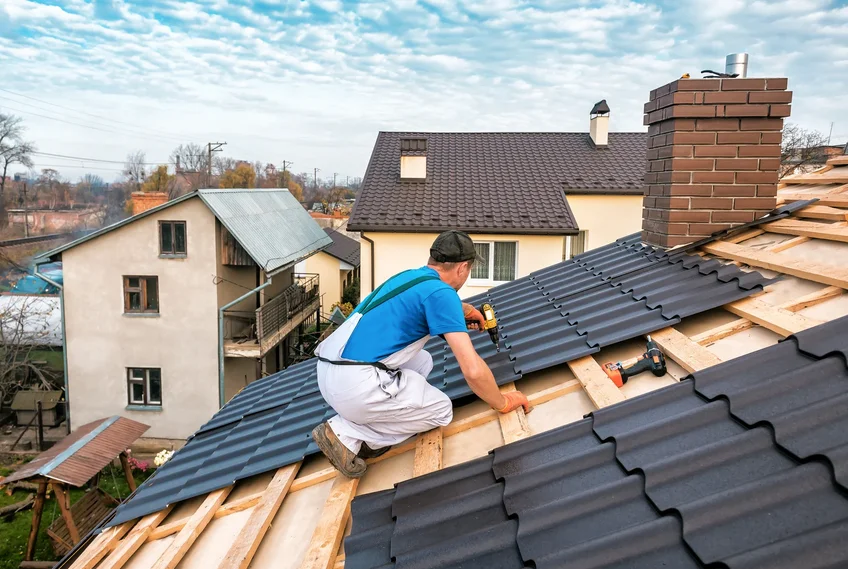
Understanding the various causes of roof leaks during heavy rain empowers Allen homeowners to take proactive measures that protect their property and family. From maintaining proper drainage systems to addressing aging materials before they fail, preventive maintenance proves far more cost-effective than emergency repairs during storm events.
Regular professional inspections, prompt attention to minor issues, and quality installation practices form the cornerstone of effective leak prevention strategies. When problems do arise, working with experienced local contractors ensures repairs meet the unique demands of North Texas weather patterns while providing long-term protection for your home investment.
About Pickle Roofing Solutions
Pickle Roofing Solutions specializes in comprehensive roofing solutions with over a decade of experience serving Allen and the greater North Texas area. We provide complete roofing services including leak detection and repair, storm damage restoration, roof replacement, and preventive maintenance programs. Our team of certified professionals combines technical expertise with deep knowledge of local climate challenges to deliver lasting protection against heavy rain and severe weather conditions.
We pride ourselves on using premium materials from trusted manufacturers and following strict installation standards that exceed local building codes. Our services include detailed roof inspections, emergency leak repairs, complete system replacements, and maintenance programs designed specifically for Allen's challenging weather patterns.
We understand the unique demands that North Texas storms place on residential roofing systems and help local families achieve reliable protection against water intrusion and structural damage.
Whether you're dealing with aging standing seam metal roofing systems or traditional asphalt shingle installations, our experienced team provides solutions tailored to your specific needs and budget requirements.
Contact Pickle Roofing Solutions today at (972) 954-7186 to discuss how our roofing expertise can help you prevent costly leak damage and maintain a dry, comfortable home. Schedule a consultation to learn more about our comprehensive roofing services and how we've helped Allen families achieve long-term protection against heavy rain and severe weather conditions.