

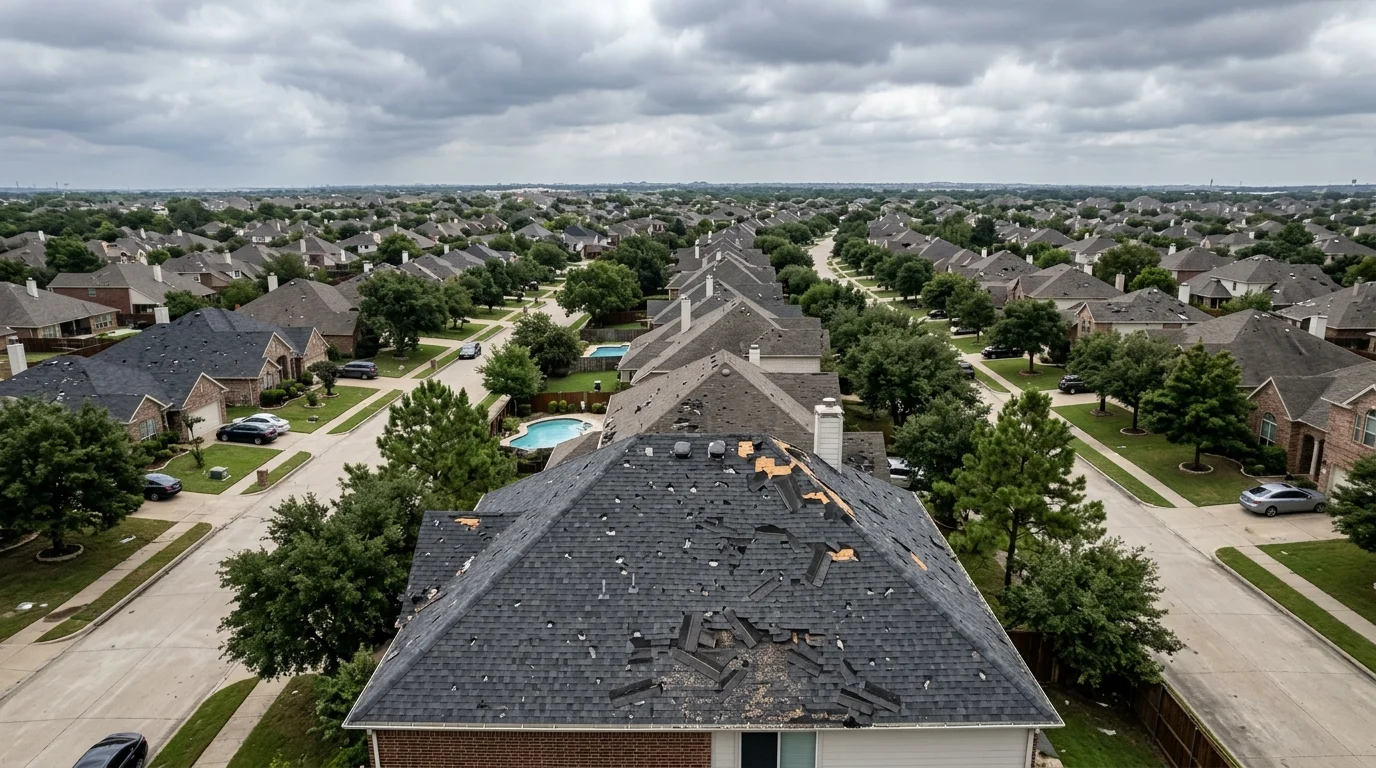
Allen sits in Collin County, one of the fastest-growing areas in North Texas and one of the most hail-prone regions in the country. In 2025 alone, weather services recorded 21 hail reports within 10 miles of Allen, with hailstones reaching up to 2.25 inches in diameter. Over the past 12 months, Doppler radar has detected hail at or near Allen on 91 separate occasions. For homeowners in this area, the question is not whether you will eventually deal with roof damage, but when.
Understanding how to file a roof insurance claim in Texas before a storm hits can save you thousands of dollars and weeks of frustration. The claims process involves specific deadlines, documentation requirements, and legal protections that many homeowners only learn about after making costly mistakes. This guide walks Allen homeowners through every step of the process, from the moment you discover damage to the day you collect your final payment.
What Texas Homeowner's Insurance Covers
Texas homeowner's insurance policies cover sudden, accidental damage from storms, hail, wind, lightning, falling trees, and similar events. When a hailstorm damages your shingle roofing, your policy should cover the cost to repair or replace the affected materials, including shingles, underlayment, flashing, and gutters damaged in the same incident. Many policies also cover interior water damage that results from roof penetration.
What insurance does not cover is equally important to understand. Age-related wear and tear is excluded, meaning your insurer will not pay for a new roof simply because your current one is old. Gradual leaks from poor maintenance, algae growth, moss accumulation, and damage from neglected ventilation systems fall outside coverage. Some newer Texas policies also exclude cosmetic damage, meaning they will not pay for dents or marks that do not affect the roof's ability to shed water.
Your policy will specify whether you have Replacement Cost Value or Actual Cash Value coverage. Replacement Cost Value pays the full cost to repair or replace your roof at current prices. Actual Cash Value deducts depreciation based on your roof's age and condition, which can leave you paying significantly more out of pocket for an older roof. Check your policy declarations page to confirm which type of coverage you carry.
Understanding Your Deductible
In Texas, wind and hail deductibles are typically expressed as a percentage of your dwelling coverage rather than a flat dollar amount. Common deductible percentages are 1 percent, 2 percent, or sometimes 5 percent. For a home insured at $400,000, a 2 percent deductible means you pay $8,000 out of pocket before insurance covers anything. This can come as a shock to homeowners expecting a few hundred dollars rather than several thousand.
Texas House Bill 2102, which took effect in September 2019, requires homeowners to pay their insurance deductible in full. This law was passed to combat fraud involving contractors who offered to waive or absorb deductibles in exchange for roof work. Under this law, it is a Class B misdemeanor for a contractor to pay, waive, rebate, or credit your deductible. Penalties include fines up to $2,000 and up to 180 days in jail. Homeowners who knowingly participate in deductible fraud can face the same charges.
Any roofing contract over $1,000 must include specific language in bold 12-point font stating that you are legally required to pay your deductible. If a contractor's agreement lacks this notice, treat it as a serious warning sign. Your insurance company can request proof of deductible payment, such as a canceled check or credit card statement, before releasing your final claim payment.
Step 1: Document the Damage Immediately
Documentation forms the foundation of a successful roof insurance claim. The quality and thoroughness of your evidence directly affects whether your claim is approved and how much you receive. Begin documenting as soon as it is safe to do so after a storm, because evidence can deteriorate quickly in Texas heat.
Photograph your roof from ground level, capturing wide shots that show the entire roofline from multiple angles. Then take close-up photos of any visible damage: missing or lifted shingles, dents, cracks, or debris. Document damage to gutters, downspouts, siding, windows, and any other exterior elements, as these help demonstrate storm severity. Inside the house, photograph water stains on ceilings or walls, damaged insulation in the attic, and any mold growth that indicates moisture intrusion.
Video can be even more effective than photos for extensive damage. Walk around the property narrating what you see, then pan across affected areas slowly enough for the camera to capture details. Enable date and time stamps on your camera or phone, or note the exact date and time separately. Write down storm details from weather reports, including wind speeds and hail size, as this information supports your claim that the damage resulted from a specific weather event.
Step 2: Review Your Insurance Policy Before Calling
Before contacting your insurance company, take time to review your policy so you understand what you are asking for. Locate your declarations page, which summarizes your coverage limits, deductible amounts, and any endorsements or exclusions. Knowing your coverage details prevents you from being surprised or misled during the claims process.
Identify your filing deadline. Under Texas law, you have one year from the date of loss to file a claim. However, filing immediately is always better because waiting weakens your position. Evidence degrades, memories fade, and insurers may question why you delayed if the damage was truly urgent. Some policies may have shorter notification requirements, so check your specific terms.
Look for any cosmetic damage exclusions in your policy language. These exclusions have become increasingly common in Texas and mean the insurer will not pay for damage that does not affect the roof's function. Understanding this before you file helps you set realistic expectations and focus your documentation on functional damage.
Step 3: Contact Your Insurance Company to File the Claim
Call your insurance company's claims hotline with your policy number and documentation ready. Report the damage clearly and factually: state the date the storm occurred, describe what you observed, and note that you have photos and video documenting the damage. The representative will assign you a claim number, which you should use in every subsequent communication.
Texas Insurance Code Section 2707 requires insurers to acknowledge your claim within 15 days and provide the name of the assigned adjuster, the expected inspection timeframe, and information about your rights. For urgent claims, acknowledgment typically happens within five business days. Section 2706 requires insurers to approve or deny claims within 30 days and pay approved claims promptly. If they exceed these deadlines, they owe you interest on the delayed payment.
During this call and all future communications, stick to facts and avoid speculation. Do not admit fault, guess about causes, or make statements like "I should have fixed that earlier." These comments can be used to reduce or deny your claim. If you are unsure about something, simply say you do not know and let the professionals investigate.
Step 4: Schedule a Professional Roof Inspection
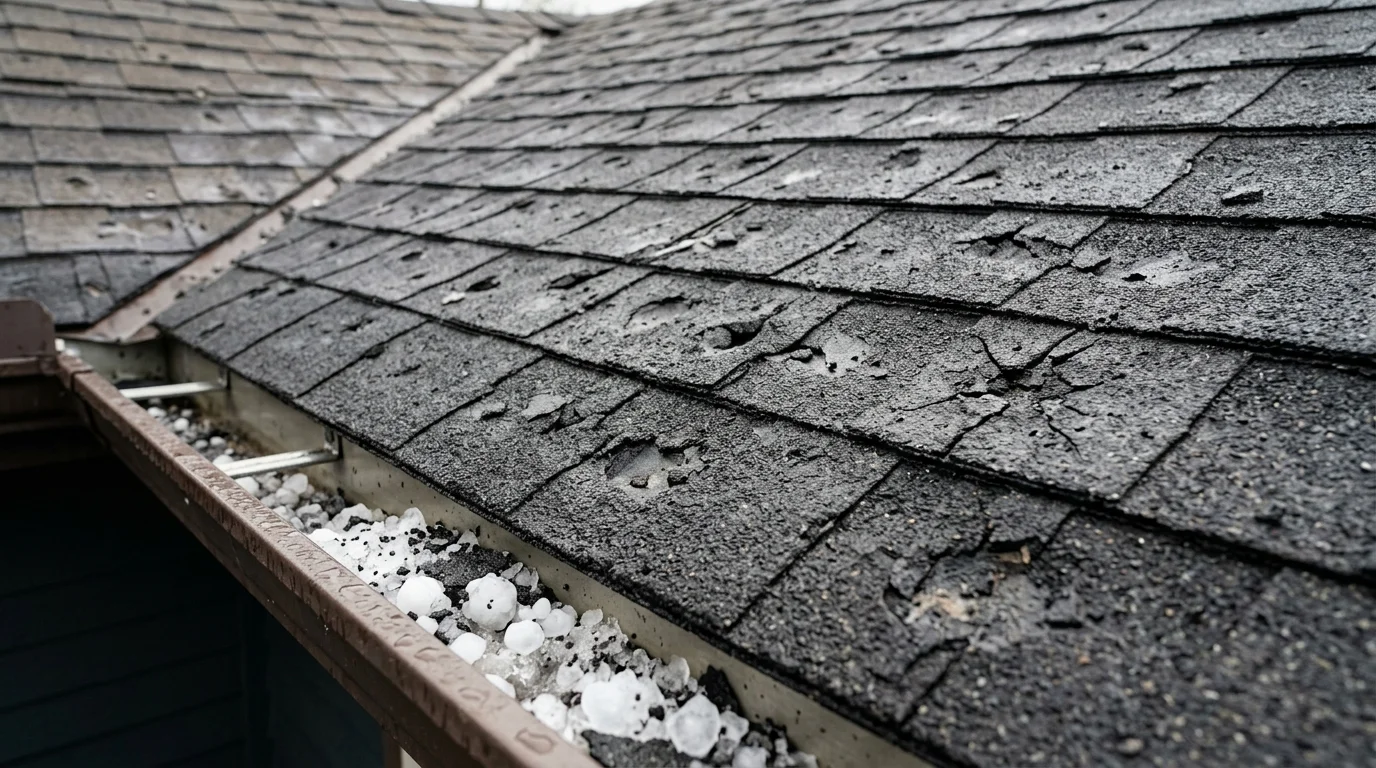
While your photos provide valuable evidence, a professional roof inspection uncovers damage that untrained eyes miss. Hail damage to asphalt shingles often appears as bruising, which looks like dark spots where the granules have been dislodged and the underlying mat has been compromised. This damage is invisible from the ground but will lead to premature failure if not addressed.
A qualified roofing contractor in Allen will walk your roof, examine every section, and check areas the insurance adjuster might overlook: underlayment condition, flashing integrity, vent damage, and the state of hip and ridge caps. They will provide a written inspection report with photos and a detailed estimate for roof repairs or roof replacement.
Schedule this inspection before your insurance adjuster arrives. Having an independent assessment in hand strengthens your position during the adjuster's visit and provides a basis for comparison if the adjuster's estimate comes in low. Many reputable roofing companies offer free storm damage inspections specifically to help homeowners navigate the claims process.
Step 5: Meet with the Insurance Adjuster
The insurance adjuster's job is to verify the damage and determine how much the insurer should pay. Remember that the adjuster works for the insurance company, not for you. Their assessment may not always align with your contractor's findings, which is why your own documentation and independent inspection matter so much.
Be present during the adjuster's inspection whenever possible. Walk them through your documentation, pointing out specific damage areas, interior water stains, and any other evidence you have gathered. Share your contractor's inspection report and estimate. Ask questions during the inspection: What are they noting? What do they consider storm-related versus pre-existing? Are they documenting all the areas your contractor identified?
If your roofing contractor can meet the adjuster on-site, this often leads to better outcomes. The contractor can point out damage the adjuster might miss and explain why certain repairs are necessary. In areas like Allen, Plano, and McKinney, experienced roofers understand what adjusters look for and how to communicate effectively with them.
Step 6: Review the Settlement Offer
After the adjuster's visit, you will receive a written estimate and settlement offer. Review this document carefully, comparing it line by line against your contractor's assessment. Look for discrepancies in the scope of work, material specifications, and pricing. Adjusters sometimes miss damage, underestimate quantities, or use pricing that does not reflect current market rates.
If you have Replacement Cost Value coverage, your initial payment will typically be the Actual Cash Value amount, which accounts for depreciation. The remaining amount, called recoverable depreciation or holdback, is paid after you complete repairs and submit documentation proving the work was done. This two-payment structure is standard in Texas and ensures policyholders actually use the funds for repairs rather than pocketing the money.
If the adjuster's estimate is significantly lower than your contractor's, you have the right to file a supplement request. Submit your contractor's detailed estimate along with a written explanation of why the additional work is necessary. Texas law requires insurers to respond to supplements within 30 days. If disputes continue, you may need to request a re-inspection or consider hiring a public adjuster or attorney who specializes in insurance claims.
Step 7: Complete Repairs and Collect Recoverable Depreciation
Once your claim is approved, select a licensed, insured roofing contractor to complete the work. Avoid contractors who appeared at your door immediately after the storm, especially those offering deals that sound too good to be true. These storm chasers often do substandard work and disappear before problems emerge. A reputable local contractor has a permanent address, verifiable references, and a track record in your community.
Pay your deductible directly to your contractor. Keep the receipt, canceled check, or credit card statement as proof of payment. Your insurance company will likely request this documentation before releasing your recoverable depreciation. After repairs are complete, submit your final invoices to your insurer to collect the holdback amount. If the actual repair cost exceeds the original estimate, submit the final invoice along with documentation explaining the additional costs.
For emergency roofing situations where water is actively entering your home, take reasonable steps to prevent further damage, such as tarping the roof or placing buckets under leaks. Document these mitigation efforts with photos and receipts, as your policy typically covers reasonable costs to prevent additional damage while repairs are pending.
Common Mistakes That Can Derail Your Claim
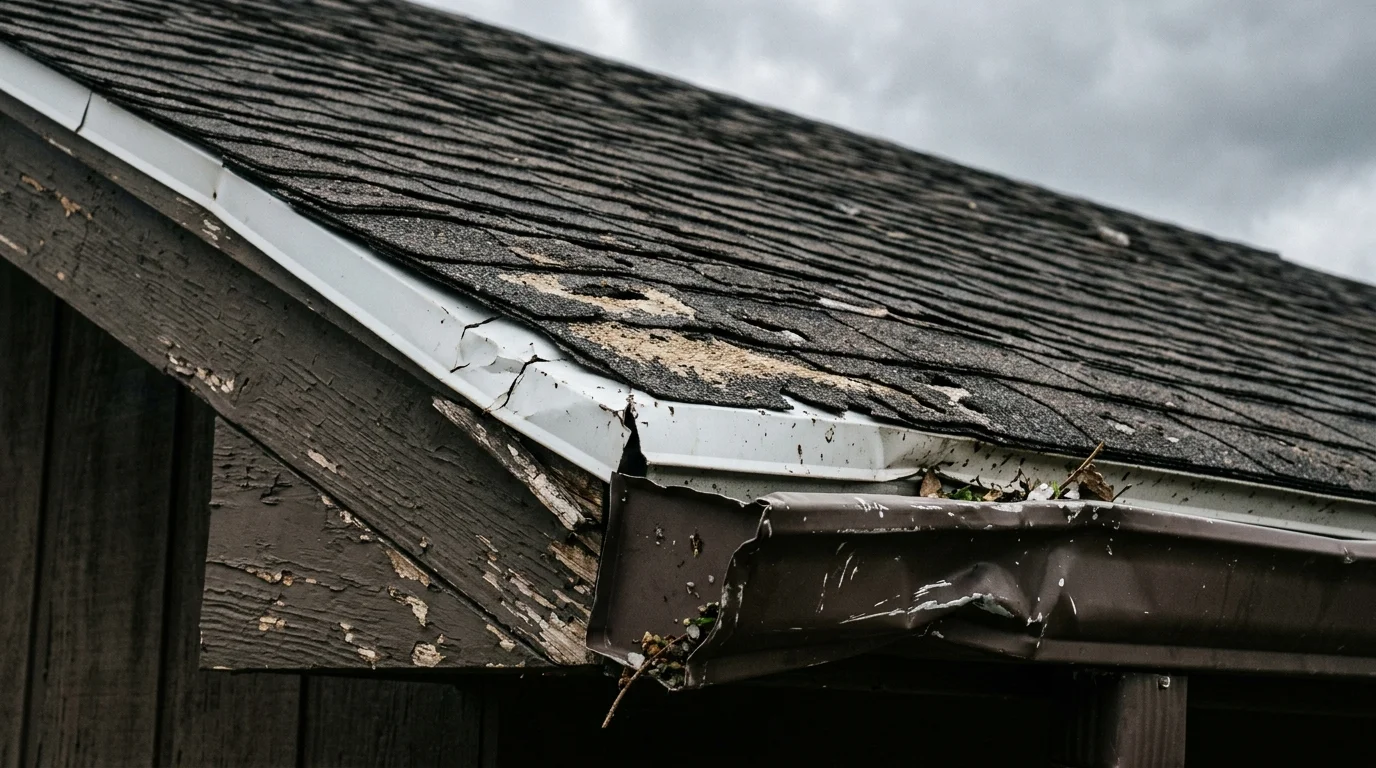
Waiting too long to file tops the list of claim-killing mistakes. Even though Texas law gives you one year, delays allow evidence to degrade, make causation harder to prove, and signal to insurers that the damage was not serious enough to warrant prompt attention. File within days of discovering damage, not weeks or months.
Signing a contractor agreement before your adjuster inspects can lock you into a scope of work that does not match what insurance approves. This leaves you paying the difference out of pocket or fighting to get out of a contract. Wait until after the adjuster's visit and settlement offer before committing to any contractor.
Working with contractors who offer to waive your deductible is not just risky, it is illegal under Texas law. These contractors typically inflate their invoices to cover the waived deductible, which constitutes insurance fraud. Your insurer can deny your entire claim if they discover this arrangement, leaving you with no coverage and potential criminal liability.
Red Flags: How to Spot Roofing Scams After a Storm
Storm chasers descend on hail-damaged areas offering quick solutions and attractive deals. Protect yourself by watching for warning signs. Promises of a "free roof" or offers to cover your deductible violate Texas law and indicate the contractor plans to cut corners or commit fraud. High-pressure tactics pushing you to sign immediately, before you have time to research or get other estimates, suggest the contractor knows their offer will not hold up to scrutiny.
Legitimate contractors have local addresses you can verify, not just cell phone numbers and out-of-state license plates. They carry general liability insurance and workers compensation coverage, and they will provide proof of both upon request. Their contracts include the HB 2102 deductible language in bold type. They do not ask you to sign over your insurance rights or give them power of attorney to negotiate with your insurer.
Get Expert Help with Your Roof Insurance Claim Today!
If your roof has been damaged by hail, wind, or severe weather, do not navigate the insurance process alone. Contact Pickle Roofing Solutions for a free roof inspection and detailed damage assessment. We will document the damage, provide a comprehensive estimate, and help you understand your coverage options. Our experienced team knows what insurance adjusters look for and how to ensure nothing gets overlooked. Call (972) 954-7186 or visit our contact page to schedule your inspection today and take the first step toward getting your roof restored properly.
Frequently Asked Questions
How long do I have to file a roof insurance claim in Texas?
Texas law gives you one year from the date of loss to file a claim. However, filing immediately is strongly recommended. Delays allow evidence to deteriorate, make causation harder to prove, and may raise questions about the urgency of the damage. Some policies may have shorter notification requirements, so check your specific terms.
Will filing a claim raise my insurance rates?
Weather-related claims for hail, wind, or fallen trees typically do not raise your rates because these events are not considered your fault. However, multiple claims within a short period may trigger review by your insurer. If you have concerns, discuss them with your insurance agent before filing, but do not let fear of rate increases prevent you from filing a legitimate claim for significant damage.
What if the adjuster's estimate is lower than my contractor's?
You have the right to dispute the adjuster's estimate by filing a supplement request. Submit your contractor's detailed estimate with a written explanation of the discrepancies. Texas law requires insurers to respond within 30 days. If disagreements persist, you can request a re-inspection, hire a public adjuster, or consult with an attorney who specializes in insurance claims.
Can I choose my own roofing contractor?
Yes. Texas law allows you to select any licensed contractor you choose. Your insurance company cannot require you to use a specific contractor or their "preferred vendor" network. Choose a contractor based on their qualifications, reputation, and your comfort level, not based on insurance company recommendations that may prioritize cost over quality.
What happens if my claim is denied?
If your claim is denied, request a written explanation detailing the specific reasons. Under Texas Department of Insurance guidance, insurers cannot issue vague denials. Review the explanation against your policy language and documentation. You can appeal the decision, request a second inspection, hire a public adjuster to represent your interests, or consult with an insurance attorney if you believe the denial is unjustified.
Do I have to pay my deductible even if insurance covers everything else?
Yes. Under Texas law (HB 2102), you must pay your deductible out of pocket. This applies to every claim regardless of the total payout. Your insurance covers costs above the deductible, not the deductible itself. Any contractor who offers to waive, absorb, or cover your deductible is breaking the law and putting both of you at legal risk.
About Pickle Roofing Solutions
Pickle Roofing Solutions is a GAF Master Elite certified roofing contractor serving Allen and communities throughout Collin County. Our team has helped hundreds of North Texas homeowners navigate the insurance claims process, from initial damage documentation through final repairs. We provide honest assessments, detailed inspection reports, and quality workmanship backed by manufacturer warranties. When storms hit Allen, we are here to help you protect your home and your investment.