Buying a new home in Allen is exciting, but most buyers never think to ask a single question about the roof going over their heads. New construction roofing is not a one-size-fits-all process, and builder-grade materials do not always hold up in North Texas hail country. We have been inspecting and installing roofs across the Allen area since 2012 as a GAF Master Elite certified contractor, and we have seen what gets missed during the building phase.
Collin County averages several significant hail events every year, and the roofing spec you accept at the design center determines how well your home survives them. These eight questions can help you make a more informed decision before closing. Closing soon? Get a second opinion on your new construction roof before move-in.
Key Takeaways
- New construction roofing in Allen often uses builder-grade shingles that may not meet North Texas hail demands.
- Asking about Class 4 impact-resistant shingles before closing can qualify you for homeowner's insurance discounts in Texas.
- Attic ventilation directly affects shingle lifespan, since summer attic temperatures can push past 150°F.
- Builder workmanship warranties and manufacturer material warranties are different documents, and knowing both protects you after move-in.
- A pre-closing roof inspection by an independent contractor can catch installation errors the builder's crew may have missed.
Why Allen Buyers Miss Roofing Red Flags
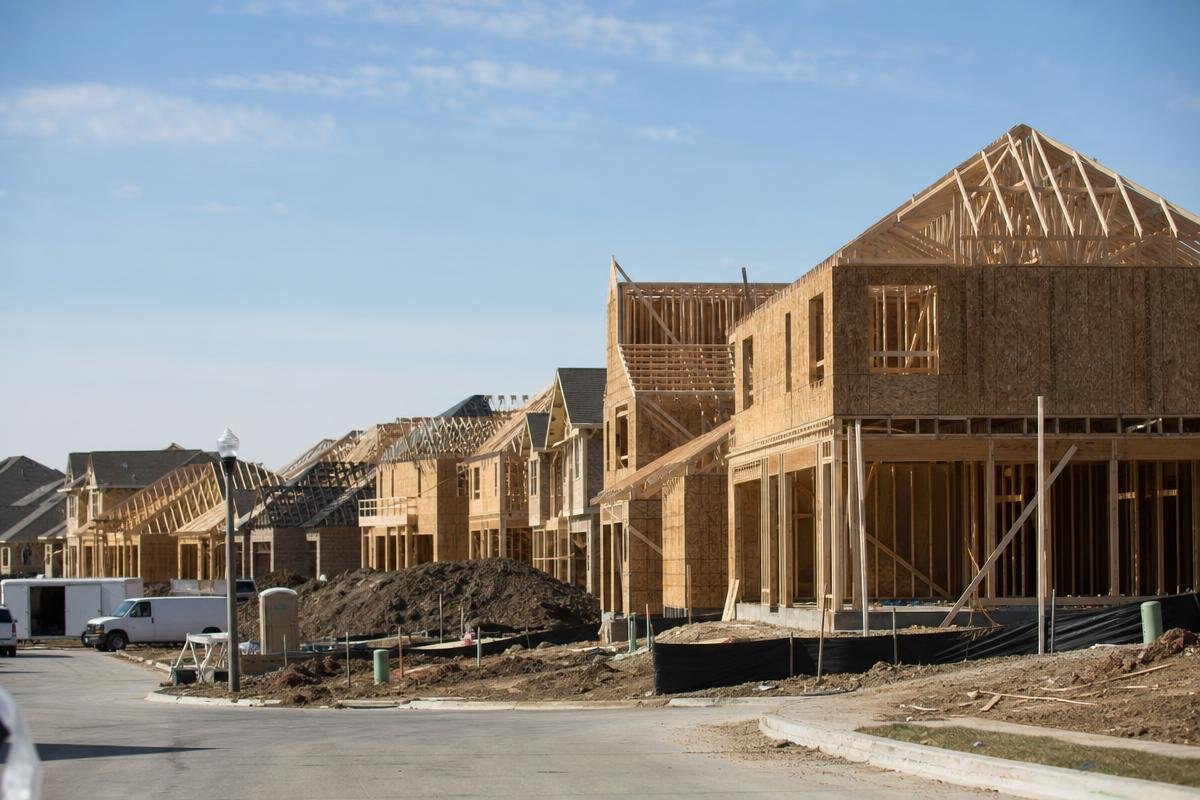
Production builders in fast-growing communities like Twin Creeks are moving quickly, and roofing decisions often get made before you ever tour the lot. That pressure is exactly where buyers get burned. You can find us at 1333 W McDermott Dr Ste 200, Allen, TX 75013, and we work with buyers every week who wish they had asked better questions before closing. We have documented recurring questions buyers should ask about roofing materials, installation, and warranty terms before closing.
This article gives you eight specific questions to ask early. If you want a second set of eyes before closing, our roof inspection service is a smart place to start.
Question 1: What Roofing Material Is the Builder Using, and Can I Upgrade?
Builder roofing specifications vary. Before making a selection, ask for the exact shingle brand, product line, impact rating, and available upgrade options in writing. It pays to know your options before you sit down to sign.
Asphalt Shingles: The Default Choice
Architectural asphalt shingles are not a bad product, but impact resistance rating matters enormously in a hail-prone region like this one. Upgrading to a Class 4 impact-resistant shingle may qualify for insurance discounts, depending on the insurer and policy. Ask your builder specifically what class rating the standard shingle carries. If they cannot answer that question on the spot, that tells you something.
Metal, Tile, and Other Upgrade Options
Standing seam metal roofing can provide decades of service when it is properly specified and installed. It is worth asking about, especially in higher-end communities. Concrete or clay tile roofing is another option buyers choose for curb appeal and longevity. Builder upgrade pricing varies. Get the written upgrade details and compare them with an independent quote before making a decision.
Question 2: What Warranties Come with the Roof, and Who Backs Them?
A new construction roof may involve a builder workmanship warranty and a manufacturer material warranty. Coverage, eligibility, and duration vary by builder, installer, product, and written warranty terms. Most buyers assume the roof is fully covered. It is not that simple.
Builder Workmanship Warranty vs. Manufacturer Material Warranty
The builder's warranty covers how the roof was installed. The manufacturer's warranty covers the shingles themselves. The catch is that standard and enhanced manufacturer warranties have different eligibility requirements, and installer qualifications and warranty eligibility vary by builder and roofing system. Ask the installer for the written warranty terms that apply to the selected roofing system. We have seen the pattern play out: a buyer closes, the one-year workmanship warranty expires at month 12, a leak shows up at month 14, and the applicable warranty terms may limit available coverage.
What Master Elite Certification Means for Your Warranty
Master Elite certified contractors can offer the GAF Golden Pledge warranty, which covers both materials and workmanship for up to 25 years. Availability depends on the installer’s certification and the selected roofing system. You can review our full warranty page to understand exactly what that protection looks like. Ask your builder directly which warranty tier their installer qualifies for.
Question 3: Will the Roof Be Inspected Before Closing, and by Whom?
A municipal inspection and an independent roofing inspection serve different purposes. Ask what inspections are scheduled and what each one covers before closing.
Why a Builder's Own Inspector Is Not Enough
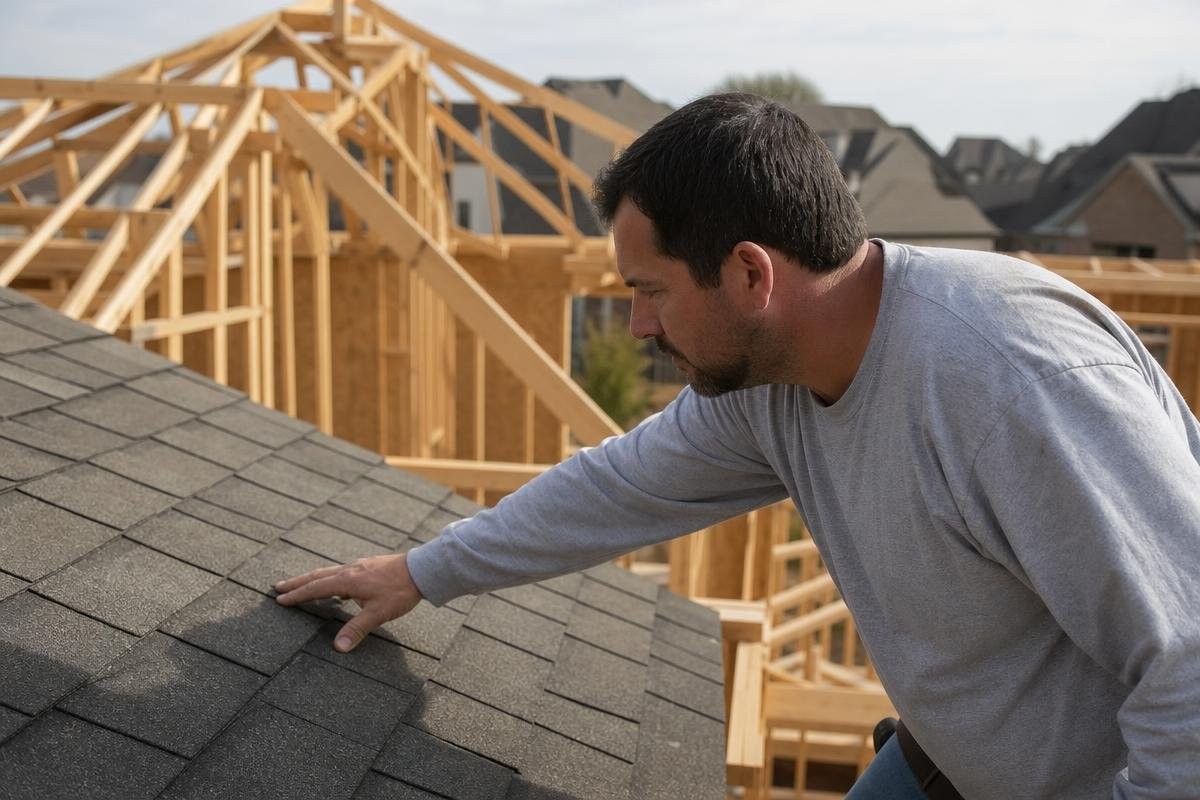
Ask what the builder's and municipal inspections cover, then decide whether an independent roofing inspection would add useful detail before closing. An independent inspection can focus on installation details such as underlayment, flashing, ventilation, and visible shingle workmanship. An independent inspection can provide an additional review of visible installation details before closing.
What an Independent Roof Inspection Covers
A proper independent roof inspection on a new build checks things city inspectors skip entirely. Here is what we look at:
- Decking condition and fastening
- Underlayment type and full coverage
- Shingle alignment and nail pattern
- Flashing at all penetrations and valleys
- Ridge cap installation
- Attic ventilation balance, clearances, and airflow
An inspection before closing could save you thousands. Schedule yours before you sign anything by calling (972) 954-7186
Question 4: How Is the Attic Ventilated, and Does It Meet Allen's Climate Demands?
A balanced attic-ventilation design typically includes intake and exhaust, sized for the roof assembly and applicable code. Proper ventilation can support roof-system performance.
Why Ventilation Matters More in North Texas Than Most Places
Without proper airflow, attic temperatures in new builds can push past 150°F on a July afternoon. That heat bakes your shingles from the underside, shortens their lifespan, and drives up your cooling bill every month. A common IRC ratio is 1 square foot of net free ventilation area per 150 square feet of attic floor space, although 1:300 may be permitted when applicable code conditions are met. Many production builders hit that minimum and stop there. Optimal performance often demands more, especially on south-facing roof planes that take direct sun exposure all day.
Signs of Inadequate Ventilation in New Builds
Ask your builder specifically how ventilation was installed, not just whether it was. Common failures we have seen include ridge vents blocked by blown-in insulation, soffit vents painted over during finishing, and no balanced exhaust on south-facing slopes. Any one of these can cut your roof’s life significantly. Our team covers this in detail on our attic insulation and ventilation service page.
Worried the ventilation in your new build falls short? Book a free assessment before you close.
Question 5: Are Gutters Included, and What Spec Are They?
Most buyers assume gutters come with the house. They often do not, or they are a paid upgrade buried in the builder's option sheet. A builder leaving gutters off the package is common, and it is one of the first things we check on new construction walkthroughs.
When gutters are included, sizing and material should be reviewed against the roof area, pitch, drainage layout, and local rainfall conditions.
Ask the builder to provide the gutter specification and explain how it fits your roofline. Consider leaf guards where debris exposure makes them appropriate. Our gutter services team can assess what your specific roofline actually needs before or after closing.
Question 6: What Underlayment Is Being Used, and Is It Synthetic?
Underlayment is the moisture barrier that sits between your roof decking and your shingles. Most buyers never see it, and that is exactly why builders cut corners on it. Ask whether the specified underlayment is felt or synthetic, and request the product name and manufacturer documentation.
Synthetic underlayment is a real upgrade worth asking about. It is more tear-resistant, handles UV exposure better during construction delays, and holds up longer once the roof is complete. Felt simply breaks down faster under the heat and humidity swings this region sees between spring storms and peak summer.
Ask your builder directly: “Is this felt or synthetic underlayment, and can I upgrade?” Get the answer in writing before you close. This is a roofing question that matters for every new residential build, and most buyers never think to ask it.
Question 7: Who Is Actually Installing the Roof, and Are They Certified?
Most buyers in new production neighborhoods never think to ask this question. That is a mistake, because the builder does not install your roof. A subcontractor does.
The Subcontractor Problem in Production Home Building
Ask who will install the roof, whether the installer carries appropriate insurance, what permits are required, and which written manufacturer warranty applies to the selected system. We have seen this pattern repeat across new builds throughout the area since 2012. The builder’s contract rarely names the roofer, so you have to ask directly: “Who is your roofing subcontractor, and what certifications do they hold?” If they cannot give you a straight answer, that tells you something important.
What Certification Actually Means for Your Roof
GAF Master Elite certification is earned by a small percentage of roofing contractors in North America. It requires verified licensing, insurance, and ongoing training, and it is what makes manufacturer-backed warranties available to you. Most builder crews cannot offer those warranties because they simply do not qualify. Our roof installation service follows those standards on every job. If you want a second set of eyes on what a builder’s crew is doing, we can help you make an informed decision before you close.
Question 8: What Happens If Something Goes Wrong After Move-In?
This is the question most new buyers forget to ask, and it matters more than almost any other. Builder warranty service lines are slow. Getting a crew back on your roof in month ten of a one-year workmanship warranty is not guaranteed. Response times vary, so it is useful to understand the builder's warranty-service process before a problem occurs. Knowing who to call before a problem happens is the smartest thing a new homeowner can do.
Builder Response Times vs. Independent Contractor Response
Production builders handle warranty claims through a central service queue where you are one of hundreds of homes. A local independent contractor works differently. We are based at 1333 W McDermott Dr Ste 200, Allen, TX 75013. Ask about current availability and the recommended response plan if water is entering your home.
Emergency Roofing Coverage for New Allen Homeowners
Storm damage does not care whether your home is six months old or six years old. If a storm hits before your builder warranty resolves a known issue, you need a local roofer fast. Our emergency roofing service covers exactly that situation. You can also use our pre-closing roof inspection to document any conditions before storm season starts.
What Allen's New Construction Boom Means for Roofing Quality
Growth Corridors and Where Builder Shortcuts Show Up
New-home buyers should review the roofing specification, installation details, and warranty terms before closing. Ask the builder for the selected shingle’s impact rating and written upgrade options.
Local Hail History and Why It Changes the Equation
This region sits in one of the most active hail zones in the country, with damaging events reported nearly every spring. A standard 3-tab shingle is not built for that. Class 4 impact-resistant shingles are tested to take a direct hit from a two-inch steel ball without cracking, which matters here more than in most parts of the country.
Impact resistance is the single upgrade we recommend most often to new buyers, and some insurers may offer a premium reduction, depending on the policy and insurer. Ask your builder what impact rating the shingles carry. If they cannot answer, that tells you something.
Frequently Asked Questions
How long is a typical builder warranty on a new construction roof in Allen?
Builder workmanship warranties usually run one year. That covers installation errors, not material defects. Manufacturer material warranties and enhanced registered warranties have different eligibility requirements. Review the written warranty for the selected product and installer. Get both in writing before your closing date.
Do I really need an independent roof inspection on a brand-new home?
Yes. A municipal code inspection and an independent roofing inspection have different scopes. An independent roof inspection service looks at installation quality, ventilation, underlayment, and flashing details that a code pass will not catch. Call (972) 954-7186 to schedule an inspection before your closing date.
Can I upgrade my roofing materials after signing the builder contract?
Most production builders allow upgrades through their design center, but the pricing is often marked up significantly. Get an independent quote first so you know what the upgrade actually costs. Class 4 impact-resistant shingles and synthetic underlayment are the two upgrades worth asking about in this hail corridor.
How long will a new construction roof last in Allen's climate?
A builder-grade 3-tab asphalt shingle may last 15 to 20 years here. An architectural shingle installed by a certified contractor can reach 30 years or more. Attic ventilation and insulation are the biggest factors after material quality. Without proper airflow, even a good shingle degrades faster in summer heat.
What is the difference between a builder warranty and a manufacturer warranty?
The builder warranty covers how the roof was installed, typically for one to two years. The manufacturer warranty covers shingle defects, often for 25 to 50 years. Warranty eligibility can depend on the installer, product, registration, and written warranty terms. Review both the builder and manufacturer warranty documents before closing.
Does Pickle Roofing Solutions work with buyers before closing on new construction?
We do. We have worked with new-home buyers across Allen, Plano, Prosper, and surrounding North Texas communities since 2012, and we are a GAF Master Elite certified contractor. We will tell you exactly what the builder installed, what it means for your warranty coverage, and which upgrades are worth the ask.
Buying a new home and want a second set of eyes on the roof before closing? Stop by our office at 1333 W McDermott Dr Ste 200, Allen, TX 75013, or call us at (972) 954-7186 Our team offers new construction roof inspections across Allen, Plano, Prosper, and surrounding Collin County cities.
Ready to Get Started with Pickle Roofing Solutions?
Closing next month? Book your pre-closing inspection now so nothing gets missed while the builder still has crews on site. Call (972) 954-7186 to talk to a GAF Master Elite contractor today. We’re ready to answer your questions, walk you through your options, and help you find the right solution for your needs. Whether you are just starting to plan or ready to move forward, we will make the process simple and stress-free. Reach out today and let's protect the roof over your new home.